REVIEW · AMRITSAR
Amritsar: Beating Retreat Ceremony, Sadda Pind and Dinner
Book on GetYourGuide →Operated by INDIATOR · Bookable on GetYourGuide
Wagah is serious theatre. This combo day runs from the Indo-Pak Beating Retreat at the border to a Punjabi village-style resort at Sadda Pind, followed by dinner. What I like most is how the ceremony builds step-by-step, from marching to the final handshake and the gates slamming shut.
I also like the second half for its hands-on fun: the Gatka Sikh martial art performance, a rope dancer, puppet show, and lassi being churned, plus games like a horse ride. One thing to consider: Sadda Pind feels more like a staged village experience than a lived-in rural home, so if you want something strictly authentic and quiet, you might find the vibe closer to entertainment than daily life.
In This Review
- Key points before you go
- Wagah Border’s Beating Retreat: what you’re actually watching
- The 3 PM pickup and the ride to Wagah: use the waiting time
- VIP vs foreigner/visitor galleries: who gets what viewing
- The flag-lowering crescendo: the moment the crowd leans forward
- After Wagah: Sadda Pind is fun, but staged
- Gatka, rope dancer, puppet show, and lassi: what fills the program
- Punjabi dinner at Sadda Pind: what’s actually served
- Price and value: is $71 per person worth it
- Who this experience suits best (and who should reconsider)
- Should you book the Amritsar Beating Retreat + Sadda Pind dinner?
- FAQ
- What time does the tour start and end?
- Where is Wagah Border and how far is it from Amritsar?
- What viewing options are available for the Beating Retreat ceremony?
- Is VIP gallery entry allowed for Indian nationals?
- What performances and activities are included at Sadda Pind?
- What Punjabi dishes are included in dinner?
Key points before you go
- Beating Retreat at Wagah: you’ll see the formal march, flag-lowering, and the final gate closure routine
- Timing matters: the ceremony starts before sunset (about 4:30 PM in winter, 5:30 PM in summer)
- Gallery rules: VIP/foreigner gallery access is not permitted for Indian nationals
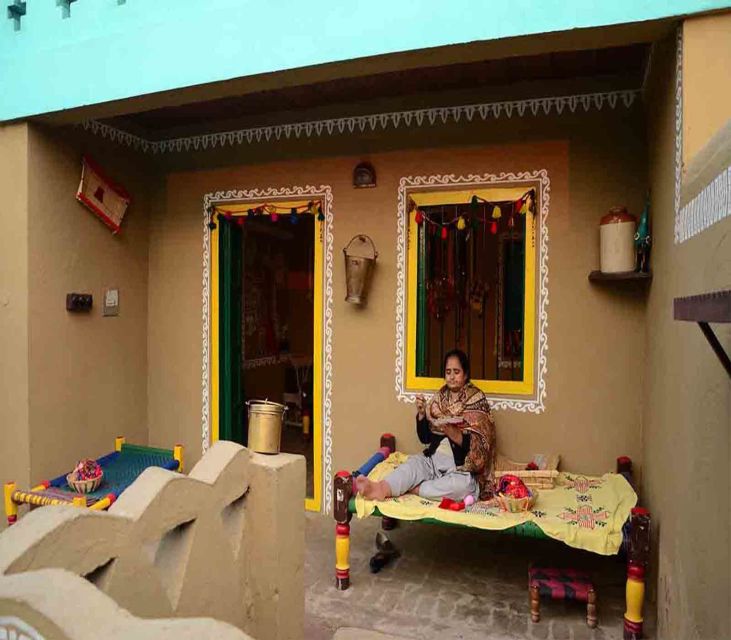
- Sadda Pind schedule: performances plus activities like mud-house viewing, handmade items, and a horse ride
- Included dinner: Punjabi classics such as kadhi chawal, makki di roti, Amritsari naan, and pindi chole
Wagah Border’s Beating Retreat: what you’re actually watching
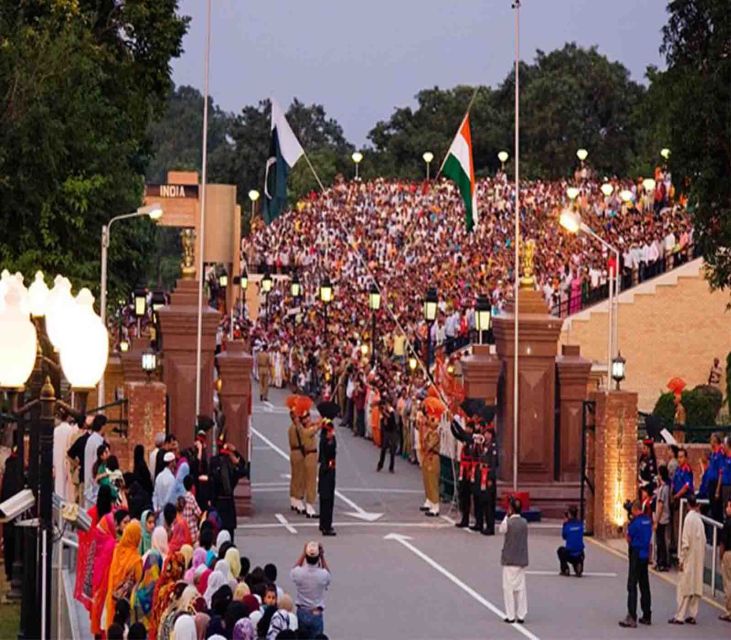
The Wagah Border ceremony is built like a ritual with clear stages. On one side you’ll see BSF, and on the other Pakistani Rangers. They march toward the gates from their respective sides, then the ceremony moves into the flag-lowering portion with synchronized timing. It’s not just movement. It’s choreography with a lot of symbolism packed into a short window.
The reason this is worth your time is simple: you can see how pageantry works up close. One minute you’re watching disciplined marching, and the next you’re watching the crowd react to the ceremonial crescendo. Then come the small details that make it feel official—flags being carefully folded and carried away, soldiers returning to the border line, and a final handshake before everything shuts down.
You can also read our reviews of more tours and experiences in Amritsar.

The 3 PM pickup and the ride to Wagah: use the waiting time
You’ll be picked up from your Amritsar hotel lobby at 3:00 PM and driven to Wagah Border (about 29 km away). That early departure matters because the ceremony starts around the evening, and Wagah doesn’t feel like a quick stop. You’re committing to an afternoon-to-night block.
Here’s a practical tip: plan for an outdoor evening. Even when it’s warm earlier in the day, you’ll spend time standing and watching. The tour includes bottled water, which helps, but you’ll still want to be comfortable enough to wait for the flag routine.
By the time you reach the border area, your guide will help you make sense of where you’ll watch from. The viewing spot is a big deal here, because Beating Retreat is about line-of-sight and timing, not just walking up and hoping for the best.
VIP vs foreigner/visitor galleries: who gets what viewing
You’ll watch from the VIP or foreigner gallery. The catch is important: VIP gallery entry is not permitted for Indian nationals. That rule can affect who gets the best viewing access, so check your status before you go and don’t assume the ticket category will work the same way for everyone.
If you’re eligible for VIP/foreigner seating, you’ll generally be positioned to see the marching and gate routine without constantly fighting for a better angle. If you’re not, you’ll still see the essentials—just understand that you may have to work harder for clear views and photos.
Also note the ceremony’s structure is fast once it starts. The flag down ceremony often starts before sunset—around 4:30 PM in winter and 5:30 PM in summer—so don’t show up thinking you can wander around leisurely right before the main action.
The flag-lowering crescendo: the moment the crowd leans forward
Once the ceremony begins, it follows a clear sequence. Soldiers march toward the gates, then the gates and flags cycle through the closing routine. After the gate is thrown open, there’s a moment of mutual saluting, followed by flags being lowered and folded carefully.
The tempo increases near the end. After the flags come down, the ceremony reaches its crescendo as soldiers return to the border line for the final handshake. Then it shifts into something very final and deliberate: no glance is exchanged, and the gates are slammed close. A trumpet marks the end.
This ending is why people remember Wagah. It’s not a slow closing. It’s a hard stop. One of the most useful ways to enjoy it is to watch in stages rather than trying to capture everything at once. First, watch the marching. Then watch the flags. Finally, focus on the handshake and gate closure, because that’s where the emotion and crowd energy peak.
After Wagah: Sadda Pind is fun, but staged
Once the ceremony ends, your driver takes you to Sadda Pind, a Punjabi village resort about 24 km from Wagah. The shift is noticeable: from strict border ceremony to a village-style entertainment set-up.
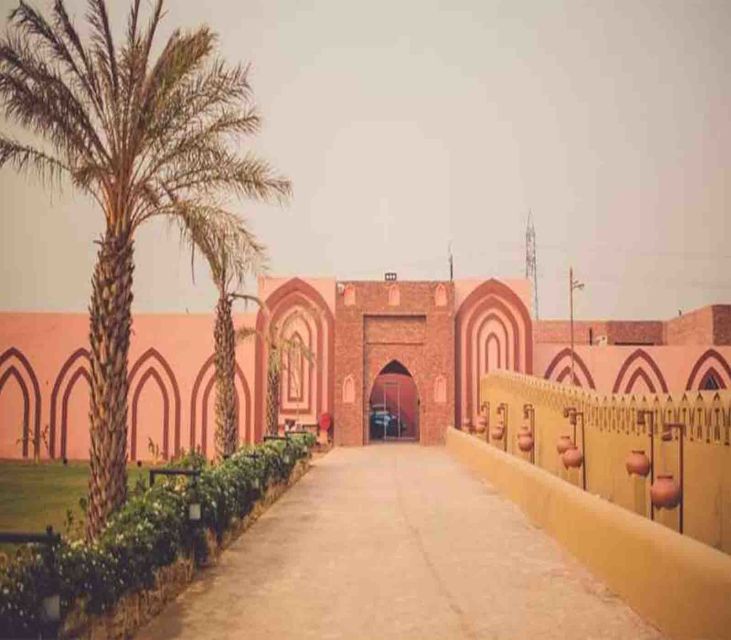
Sadda Pind is designed to feel like Punjabi village life, but it’s built as a visitor experience. That can be great if you want variety after the border ceremony—something lighter, interactive, and easy to enjoy. It can feel less satisfying if what you want is quiet rural authenticity without the performance angle.
You’ll see mud houses, browse handmade items, and watch recurring cultural performances. There’s also misting technology to cool you down, plus games and a horse ride. Think of it as a “Punjab in one evening” package.
Gatka, rope dancer, puppet show, and lassi: what fills the program
Sadda Pind adds a lineup of performances and demos that keep things moving. Included highlights you should look out for are:
- Gatka performance, a traditional Sikh martial art
- Rope dancer performance
- Magician show
- Traditional puppet show
- Lassi churned live
- Fun games and a horse ride
What I like about this mix is that it covers different styles of audience engagement. Gatka is skill and intensity. The rope dancer and magic bring quick, visual amusement. Puppets are a classic crowd-friendly format. And lassi churned live gives you a real food moment, not just “look at the props.”
One word of realism: the program is structured to entertain and move along in time. If you prefer to spend time slowly observing daily life, this might feel a bit like you’re watching a set. Still, if your goal is a lively cultural evening with multiple activities, this part delivers.
Punjabi dinner at Sadda Pind: what’s actually served
Dinner is part of the package at Sadda Pind Village, and it’s built around common Punjabi favorites. Included dishes include:
- Kadhi chawal
- Makki di roti
- Amritsari naan
- Pindi chole
- Kulfi
- Rabri
- Plus other Punjabi items
This is one of the better values on the menu because it’s not just a snack after a long wait. You get a full spread of what many people come to Punjab for in the first place.
What to expect in practice: you’ll likely eat after the performances, so the meal feels like the payoff after a long afternoon. If you have spice tolerance concerns, stick to starters first and pace yourself. Punjabi food can be bold, and kadhi and chole are rich by default.
Price and value: is $71 per person worth it
At about $71 per person, this tour is priced like a combined day of transportation, paid access, and a full dinner—not a bare-bones sight visit.
You’re paying for a few clear value drivers:
- Private air-conditioned vehicle for the back-and-forth between Amritsar, Wagah Border, and Sadda Pind
- Entry fees to ceremonies and performances
- A guide and bottled water
- Punjabi dinner (not just tea and biscuits)
- Taxes and service charges
The main potential extra cost to watch for is camera fees at ceremonies and performances. Since that’s not included, budget for it if you plan to shoot a lot.
So here’s the honest way to judge value: if you want both the Wagah ceremony and a full cultural/eating program without organizing transport and tickets yourself, this is a convenient deal. If you only care about Wagah and you already know how to arrange the rest on your own, you may feel the Sadda Pind portion is the more optional part—especially if you’re aiming for purely authentic rural life.
Who this experience suits best (and who should reconsider)
This tour fits best if you want a high-impact evening with two different flavors: intense border pageantry, then a lively Punjabi show-dinner format.
You’ll likely enjoy it if:
- you like structured events with clear staging and timing
- you want the Wagah ceremony experience with minimal planning
- you don’t mind a village-themed resort setting for added activities
- you want a ready-made Punjabi food spread at the end
You might reconsider if:
- you expect a documentary-style look at real village life
- you prefer slower, quieter observation over performances and rides
- you’re sensitive to the idea that some of the setting feels staged rather than lived-in
Should you book the Amritsar Beating Retreat + Sadda Pind dinner?
If your priority is Wagah, book this with confidence for the ceremony side. The Beating Retreat routine—marching, saluting, flag-lowering, the final handshake, and the gates slamming shut—has a clear, memorable arc that’s hard to replicate on your own without local help.
For the Sadda Pind portion, I’d call it a good match for energy and variety, not for strict authenticity. If you treat it as evening entertainment plus Punjabi food, it works well. If you’re hunting for a quiet, everyday village experience, you may feel it’s more fairground-style than real.
My practical recommendation: book it when you want one smooth day with transport, access, performances, and dinner handled. If you only want the border and nothing else, you might be happier doing a simpler plan focused solely on Wagah.
FAQ
What time does the tour start and end?
You’ll be picked up at your hotel lobby at 3:00 PM and you’ll be dropped back at your hotel around 9:00 PM.
Where is Wagah Border and how far is it from Amritsar?
Wagah Border is about 29 km from Amritsar.
What viewing options are available for the Beating Retreat ceremony?
You’ll watch from the VIP or foreigner gallery.
Is VIP gallery entry allowed for Indian nationals?
No. VIP gallery entry is not permitted for Indian nationals.
What performances and activities are included at Sadda Pind?
You can expect Gatka, a rope dancer, a magician, a traditional puppet show, lassi being churned, plus fun games and a horse ride.
What Punjabi dishes are included in dinner?
Dinner includes dishes such as kadhi chawal, makki di roti, Amritsari naan, pindi chole, kulfi, and rabri.