REVIEW · MUANG CHIANG MAI
Chiang Mai: Evening Chanting & Meditation
Book on GetYourGuide →Operated by Journey D Travel · Bookable on GetYourGuide
Turn down the noise in Chiang Mai. This evening ritual at Wat Chai Sri Phoom pairs monk chanting with a guided meditation and a simple Metta practice, so you don’t just watch—you take part in the calm. It’s a 3-hour session led in English and Thai, designed for people who want a more meaningful temple experience than the daytime sightseeing circuit.
What I like most is the way the chanting feels physical—those steady voices and group rhythm create a noticeable mental “reset.” I also love that Metta isn’t taught as an abstract idea; you’re guided to send well-wishes to loved ones, to those who’ve passed, and to all beings.
One heads-up: transportation isn’t included, and the meeting point can be subject to change (the guide may wait at Wat Lok Moli in front). If you’re the kind of person who hates being early or hates navigating alone, plan extra time.
In This Review
- Key Things That Make This Evening Special
- When Evening Chanting Changes the Temple Experience
- Finding Wat Lok Moli and Getting Ready the Right Way
- Chanting at Wat Chai Sri Phoom: What You’ll Do and Feel
- The 15-Minute Guided Meditation and Metta Practice
- Wisdom from Senior Monks and Lay Practitioners (and a Guide You Can Ask)
- Price and Timing: Is $20 Good Value for a 3-Hour Night?
- Temple Etiquette That Will Keep the Night Smooth
- Who Should Book This (and Who Should Skip It)
- Should You Book This Chiang Mai Chanting and Meditation?
- FAQ
- How much does the Chiang Mai Evening Chanting & Meditation cost?
- How long is the experience?
- Where do I meet the guide?
- What is included in the price?
- What language is the live guide?
- What should I bring?
- Are there any rules for photography or smoking?
- Is it suitable for everyone?
- What’s the cancellation policy and payment option?
Key Things That Make This Evening Special
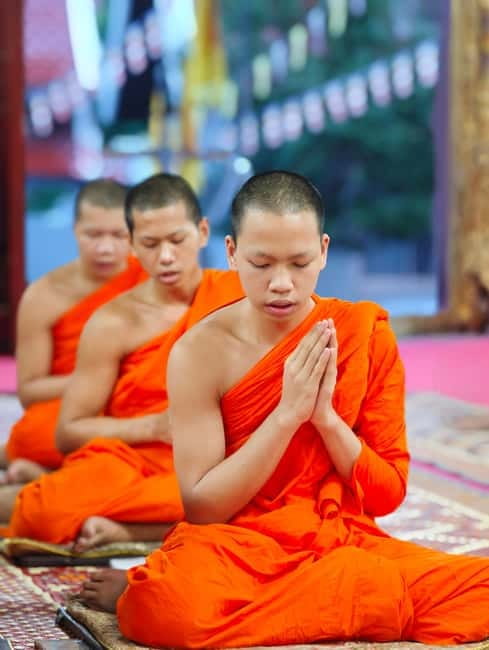
- Chanting with the monks in a real temple setting, not a staged performance
- A 15-minute guided meditation after the chanting fades
- Metta practice with heartfelt wishes for loved ones, those gone, and all beings
- Time for questions and guidance from senior monks and lay practitioners
- A guide who can explain Buddhism clearly (often including an ex-monk such as Son)
- Quiet rules that help the room stay calm, including no flash and silent phones
When Evening Chanting Changes the Temple Experience
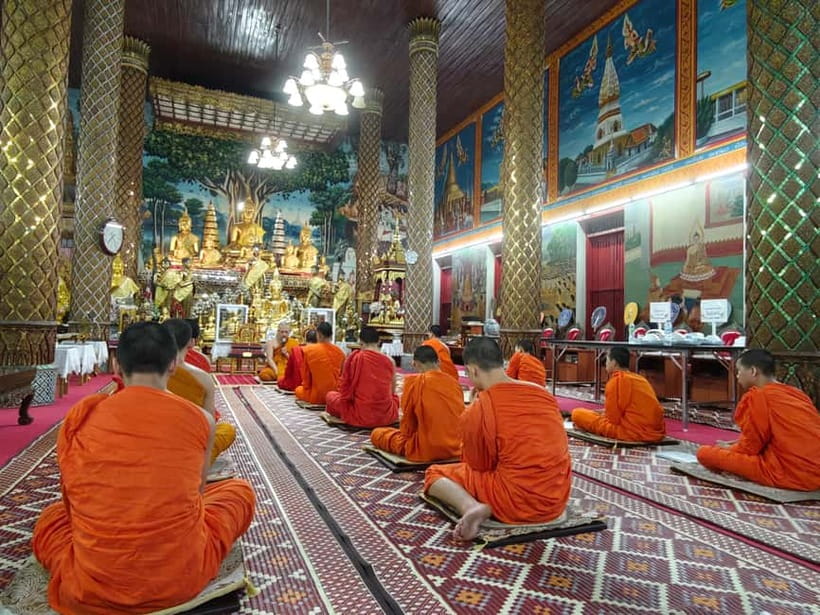
Most Chiang Mai temple visits are about visuals: gold roofs, murals, a quick photo, then you move on. This experience flips the script. In the evening, the temple grounds shift into a slower rhythm. The air cools. People lower their voices. And you end up in the middle of a living practice that’s been happening for generations.
The best part is that the session doesn’t treat you like an audience. The flow is built around participation: listen, breathe, and follow the guide’s pacing as the monks chant and then you settle into quiet. That structure matters. It keeps you from wandering mentally while you wait for the “good part,” because the good part starts immediately.
And yes, the chanting can feel surprisingly intense in a good way. The voices, the group cadence, and the shared stillness work together. If you’ve ever wanted a spiritual activity that doesn’t require you to already know the language, this one tends to meet you where you are.
Finding Wat Lok Moli and Getting Ready the Right Way
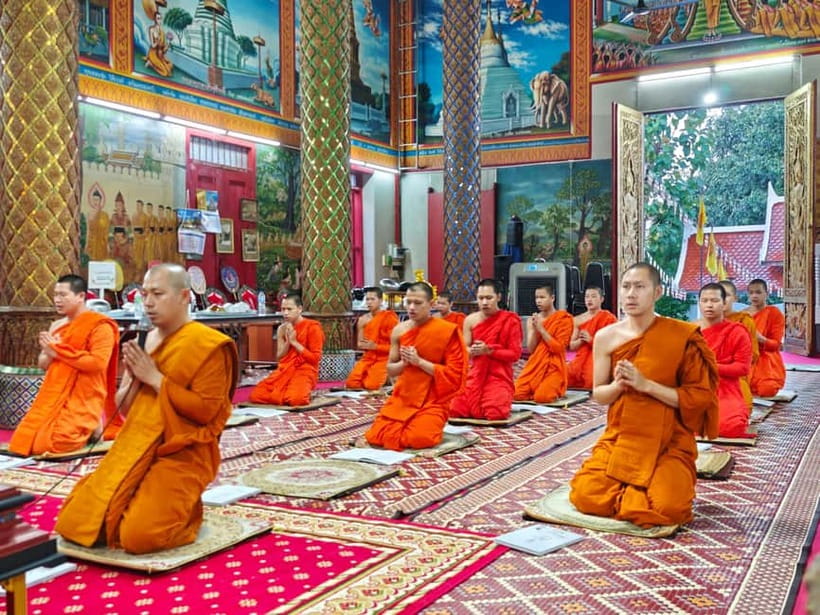
You’ll meet your guide in front of Wat Lok Moli. The activity notes that the location may be subject to change, so I’d treat the meeting spot as something you confirm the day-of. Also, the guide waiting point is important—this isn’t one of those “wander in and hope for the best” experiences.
Aim to arrive at least 15 minutes early. That extra cushion helps you:
- get settled before chanting starts
- handle temple entrance rules without stress
- avoid feeling rushed when the group quiets down
Dress modestly. Wear comfortable clothes. You’re standing or sitting for parts of the ritual, and you’ll want fabric that won’t distract you.
Bring water. It’s a small thing, but it helps you stay present instead of counting minutes and wondering if you should step out for a drink.
Practical rules you should expect:
- no smoking
- no flash photography
- silence mobile devices before the session begins
These aren’t just “polite guidelines.” They’re how the group keeps the room calm enough for meditation to actually work.
Chanting at Wat Chai Sri Phoom: What You’ll Do and Feel
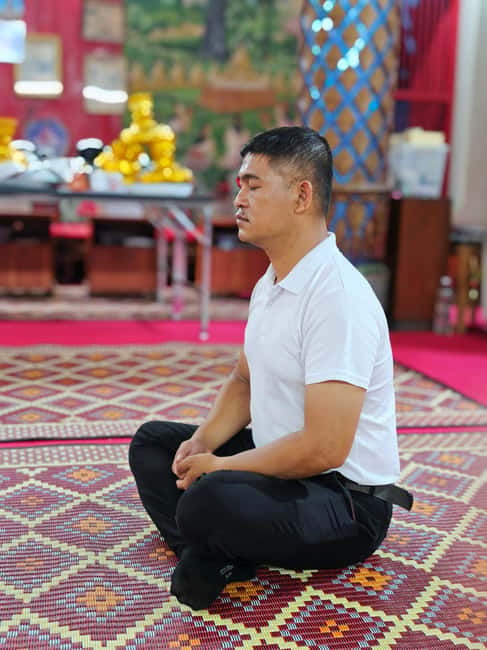
The heart of the night happens at Wat Chai Sri Phoom. That’s where the monks lead the evening chanting ritual. This isn’t described as a long lecture. It’s a guided, participatory ritual.
Here’s what the experience typically feels like:
- You arrive and settle in at a calm meeting area on temple grounds.
- The monks begin chanting sacred texts.
- You close your eyes and follow the rhythm—more mindfulness than performance.
- The session usually lasts 40–50 minutes for the chanting portion.
The guide’s role matters here. You’re not expected to decode chants like a scholar. Instead, you’re taught how to receive the ritual—quietly, attentively, and with respect for what the community is doing.
One reason this works so well is the physical nature of group chanting. When dozens of voices move together, your body starts syncing with the sound. That can make meditation easier afterward. It’s like giving your mind a slower tempo to run on.
The 15-Minute Guided Meditation and Metta Practice
After the chanting fades, the night shifts from sound to silence. You’ll transition into a 15-minute guided meditation. The guide helps you quiet mental chatter and find a calmer, more settled awareness.
Fifteen minutes sounds short—until you actually try to quiet your mind on purpose. The guidance is the key. If you’ve struggled with meditation before, this is a good entry point because it’s guided and time-bounded.
Then comes Metta—loving-kindness. This is where the practice becomes personal in a gentle way. You’ll extend heartfelt wishes for:
- loved ones
- people who have passed
- all beings
This matters because Metta isn’t only about feeling warm. It’s also about training your attention toward goodwill when your mind naturally skews toward worry, irritation, or distance from others.
Also, don’t expect the group to turn emotional on cue. The practice is taught as a steady cultivation of compassion, not a dramatic moment. For many people, that’s why it sticks with them long after the temple grounds are quiet again.
Wisdom from Senior Monks and Lay Practitioners (and a Guide You Can Ask)
A big part of the value here isn’t just the rituals. It’s what happens after. The experience includes listening to guidance shared by senior monks and lay practitioners, and you have a chance to ask questions.
This is where the night can become more than spiritual “content.” You get context for the practices you just experienced. When someone explains what you’re doing—Metta, mindfulness, the logic behind temple rituals—you stop treating the experience like a one-off.
Several past participants highlight that the guide has a strong monastic background. For example, Son, described as a former monk for thirteen years, has led sessions and explained the practices with clarity and care. In other cases, guides have also been described as ex-monks and dedicated practitioners.
Even if your group’s guide isn’t the same person, you can expect the format to stay practical: explain the philosophy, connect it to everyday life, and answer questions after the main ritual.
A small but meaningful bonus: some groups report that monks stayed afterwards to speak with people. That kind of real interaction is rare—and it’s part of why this feels intimate rather than scripted.
Price and Timing: Is $20 Good Value for a 3-Hour Night?
At $20 per person for about 3 hours, this can be good value—especially if your goal is a guided, respectful evening with monks rather than a generic temple tour.
What you’re paying for (from what’s clearly included):
- chanting experience with monks
- guided meditation session
- insights into Buddhist philosophy and practices
And what you’re getting that you can’t easily recreate alone:
- the rhythm and structure of the chanting
- guided meditation timing
- Metta practice instruction
- access to question-and-answer learning
Where the math changes slightly is transportation. Transportation to and from Wat Chai Sri Phoom isn’t included, so factor in how you’ll get there and back. Since the meeting point can be Wat Lok Moli and may change, your planning matters.
Still, if you’re already in Chiang Mai and you want a calm evening that feels connected to real practice, $20 for a guided 3-hour session can be an easy yes.
Temple Etiquette That Will Keep the Night Smooth
This kind of experience runs on respect and quiet. You don’t need to be perfect—you just need to follow the basics.
Do this:
- Arrive 15 minutes early
- Wear modest, comfortable clothing
- Keep your phone quiet before it begins
- Bring water
Avoid this:
- flash photography
- smoking
- any habit that breaks the room’s quiet focus
Also, if you’re sensitive to spiritual settings or large groups, remember that this is a shared monastic practice. Expect a calm, structured environment. You’re joining the rhythm, not taking over the atmosphere.
One last practical point: don’t plan your dinner right before it starts. You’ll want time to settle, then the ritual will guide your body into stillness. Trying to rush into meditation right after a stressful plan is a recipe for a busy mind.
Who Should Book This (and Who Should Skip It)
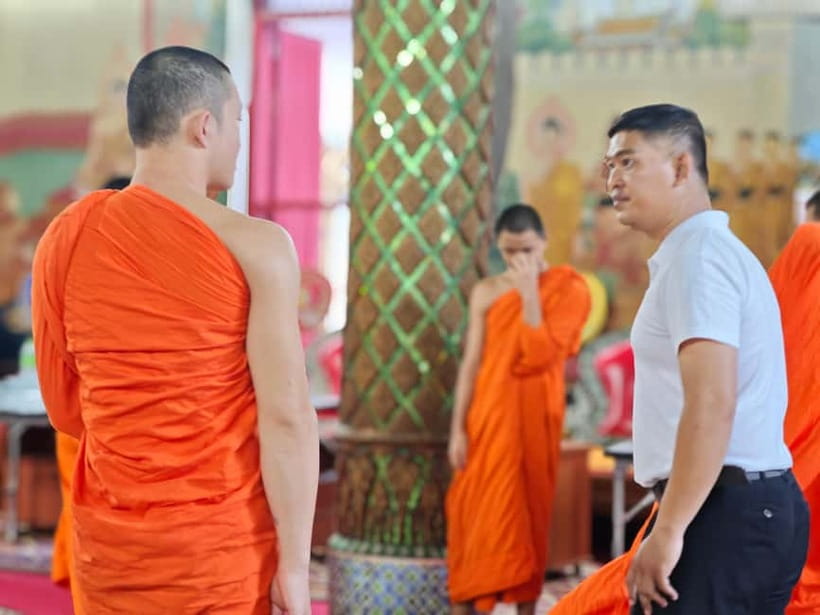
This experience tends to fit people who:
- want an honest, respectful temple practice
- like guided meditation rather than solo experimentation
- enjoy learning how philosophy connects to daily life
- want time to ask questions and get answers
It may not fit you if:
- you’re traveling with children under 10
- you have back problems (you may need to sit for parts of the ritual)
- you use a wheelchair (not suitable per the activity info)
If you’re unsure, think about how comfortable you’ll be during quiet sitting and steady chanting.
Should You Book This Chiang Mai Chanting and Meditation?
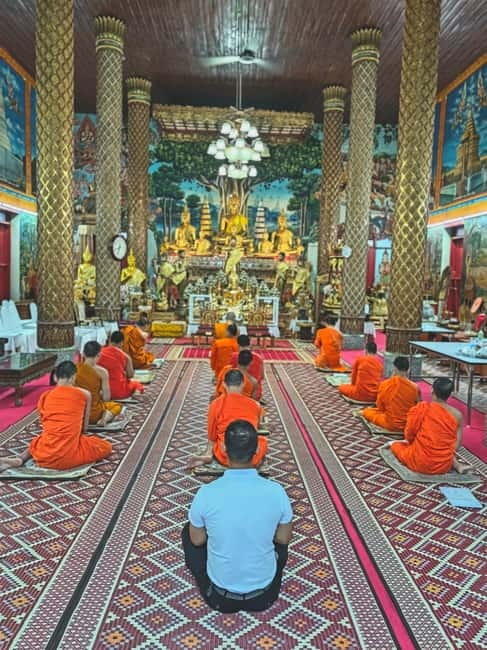
If you want a temple experience with structure, guidance, and real access to monastic wisdom, I’d book it. The mix—chanting (40–50 minutes), 15 minutes of guided meditation, Metta practice, and Q&A—is exactly the kind of combination that makes the evening feel meaningful rather than touristy.
Skip it if you can’t manage simple temple rules, don’t want to find the meeting spot, or you know meditation and quiet sitting will be physically tough for you.
My practical take: this is a strong choice for your first real taste of Buddhist practice in Chiang Mai—especially if you value learning how the ritual works, not just seeing it.
FAQ
How much does the Chiang Mai Evening Chanting & Meditation cost?
It’s listed at $20 per person.
How long is the experience?
The duration is 3 hours.
Where do I meet the guide?
The guide waits in front of Wat Lok Moli. The meeting location may be subject to change.
What is included in the price?
The experience includes a guided meditation session, a chanting experience with monks, and insights into Buddhist philosophy and practices.
What language is the live guide?
The tour is available with a live guide in English and Thai.
What should I bring?
Bring water and wear comfortable clothes.
Are there any rules for photography or smoking?
Smoking is not allowed, and flash photography is not allowed.
Is it suitable for everyone?
It’s not suitable for children under 10, people with back problems, or wheelchair users.
What’s the cancellation policy and payment option?
You can cancel up to 24 hours in advance for a full refund. You can also reserve now and pay later.