REVIEW · SLIEMA
Sliema: Beach Yoga Class
Book on GetYourGuide →Operated by Yoga Malta · Bookable on GetYourGuide
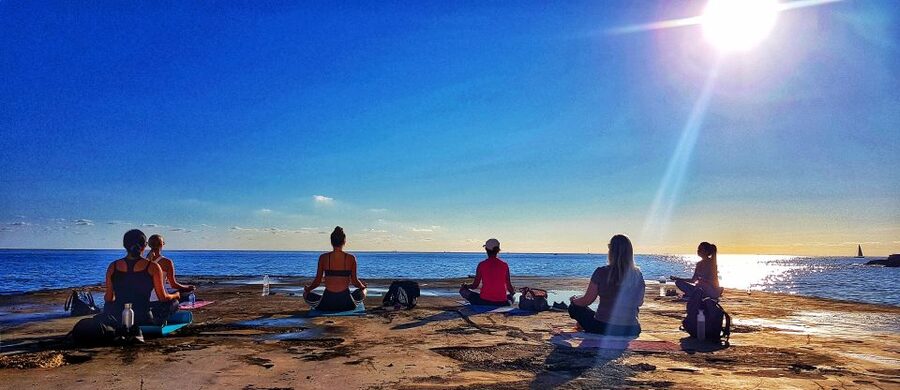
Yoga by the Sliema shoreline feels different. The sunrise/sunset setting turns a standard class into something calmer, salt-air and all. It’s a 75-minute yoga session with breathing, sun salutations, and relaxation, then you get to cool off with a swim right afterward.
What I really like is how the instruction stays friendly for mixed levels. In the class I’m describing, instructors are careful and offer modifications, so absolute beginners don’t feel lost. One instructor named James was noted for a calming presence, while another named Merve helped brand-new students find their way through poses.
The one possible drawback to consider: the flow can feel a bit intense, and a few people wanted slower transitions from pose to pose. If you like a very leisurely pace, you might want to mentally prep for a steady rhythm.
In This Review
- Key things that make this Sliema yoga class worth your time
- Sliema Chalet at sunrise or sunset: why the timing matters
- The 75-minute flow: breathing, sun salutations, poses, then release
- What you can realistically expect in your body
- A possible pacing mismatch
- The sea dip after yoga: how to make the swim feel refreshing
- How to prep so the swim doesn’t feel like a chore
- Don’t overthink it
- Instructors and all-levels teaching: what inclusive really means here
- The best way to use those modifications
- Who the teaching style fits
- Price and value: $28 for yoga plus a sea cooldown
- What to bring in Sliema: sportswear, your own mat, and a towel
- Required
- Smart add-ons (if you have them)
- Who this yoga class suits—and who should skip it
- How to plan your day around this experience
- Should you book it?
- FAQ
- Where does the yoga class take place in Malta?
- How long is the experience?
- Is the class taught in English?
- Do I need to bring my own yoga mat?
- What should I bring besides a yoga mat?
- Is it suitable for beginners?
- Is it safe for everyone, including pregnancy or high blood pressure?
Key things that make this Sliema yoga class worth your time
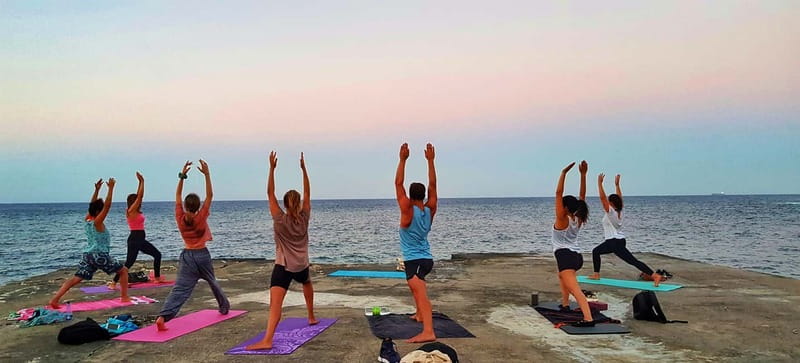
- Sunrise or sunset by the sea: you’re not practicing in a studio. You’re practicing with views and natural light.
- A structured 75-minute session: breathing, sun salutations, asanas, then relaxation.
- All levels welcome with modifications: the class is built to adapt to different bodies and experience.
- Refresh with a swim after yoga: you get the “cool down” in the water, not just on the mat.
- English-led instruction: easy to follow, even if your yoga vocabulary is limited.
- Bring your own mat or towel: they make hygiene and eco-sense part of the experience.
Sliema Chalet at sunrise or sunset: why the timing matters
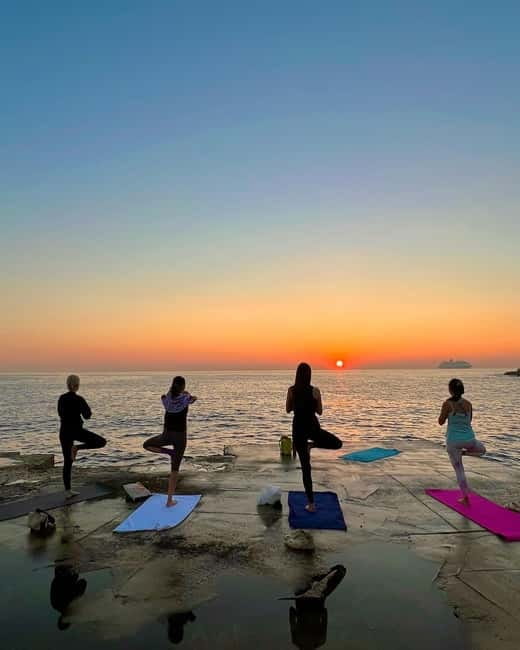
This class is set up around sunrise or sunset, and that changes how you feel the whole hour and change. Yoga works best when your brain isn’t rushing. Morning light can feel grounding. Sunset light can feel like the day is finally letting go of you.
The yoga is run from the Sliema Chalet, right where you can look out toward the sea. That matters more than it sounds. On land, you might stare at a wall. Here, your attention naturally shifts outward—waves, sky, and that steady coastal rhythm. It’s a simple setup, but it helps the relaxation part land harder, because you’re already in a quieter environment.
A small practical note: you’ll likely want to arrive a little early so you’re not doing logistics while everyone else is breathing. Malta can be breezy by the water, so give yourself time to settle and warm up.
The 75-minute flow: breathing, sun salutations, poses, then release
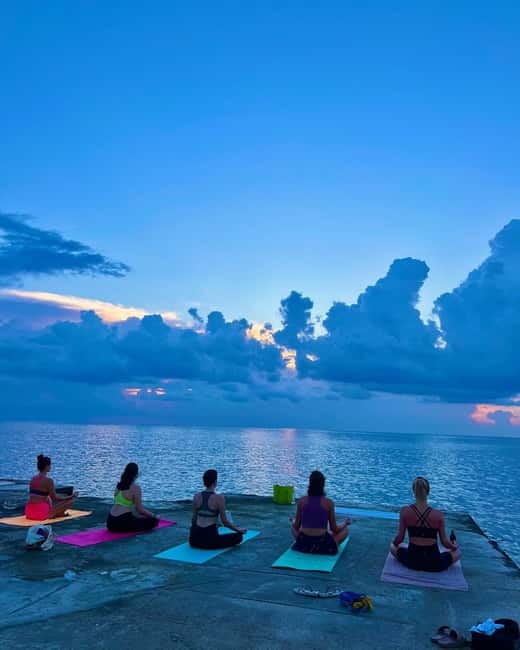
The yoga session itself is about 75 minutes of focused breathing, movement, and calm. The pacing follows a clear order:
- You start with breathing to warm up and settle your body.
- Then comes sun salutations to build heat and coordination.
- After that, you move into asanas focused on balance, flexibility, and strength.
- Finally, the class transitions into relaxation, with meditation-style stillness and positive thinking to close.
This structure is a big part of the value. You’re not just doing random stretches. You’re moving through a sequence that’s meant to prep you physically and mentally, then finish with a quiet landing.
What you can realistically expect in your body
If you’re new, don’t assume it will be gentle the whole time. The “warm-up” part isn’t just symbolic. Breathing plus sun salutations can wake up muscles fast. Then the poses ask you to balance and stabilize—things you don’t always notice when you’re practicing at home alone.
If you’re experienced, you might find you get a satisfying push. Some reviewers noted the class has a calm sphere, but the poses can still be intense. That’s not a bad thing. It just means you should show up ready to work, not only to stretch.
A possible pacing mismatch
One thing to keep in mind: at least one person wished transitions were a bit slower. That suggests the class might keep moving to maintain the outdoor rhythm. If you’re the kind of yogi who likes to go step-by-step at a slower tempo, be ready to adapt. You can always take your time in your own breathing and reset between poses.
The sea dip after yoga: how to make the swim feel refreshing
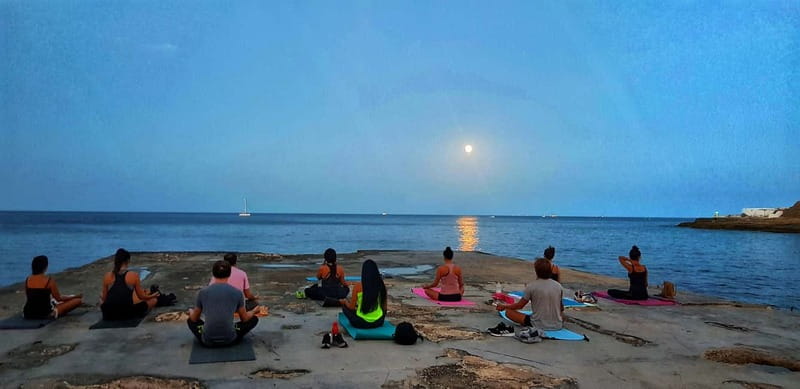
The class isn’t just yoga on the beach. After you finish, you’re invited to take a refreshing dip in the beautiful Maltese sea. That’s part of the experience design: you build heat with movement, then cool your body down in water.
This is a great idea if you like a full “practice-to-recovery” loop. Many yoga sessions stop at the mat. Here, the sea gives you an immediate end-of-session payoff.
How to prep so the swim doesn’t feel like a chore
You’ll want to think about practicality:
- Bring a towel (the activity requests you do, and it’s also helpful for comfort).
- Have your sportswear ready for switching after yoga, especially if you’ll be walking around afterward.
- If you’re sensitive to cold water, don’t assume “refreshing” equals “warm.” Coastal water can feel cool, especially earlier in the day.
Don’t overthink it
You don’t need to treat it like a swim race. A quick dip is enough to feel the effect. The goal is to leave the session feeling lighter, not to add a workout on top of the yoga.
Instructors and all-levels teaching: what inclusive really means here
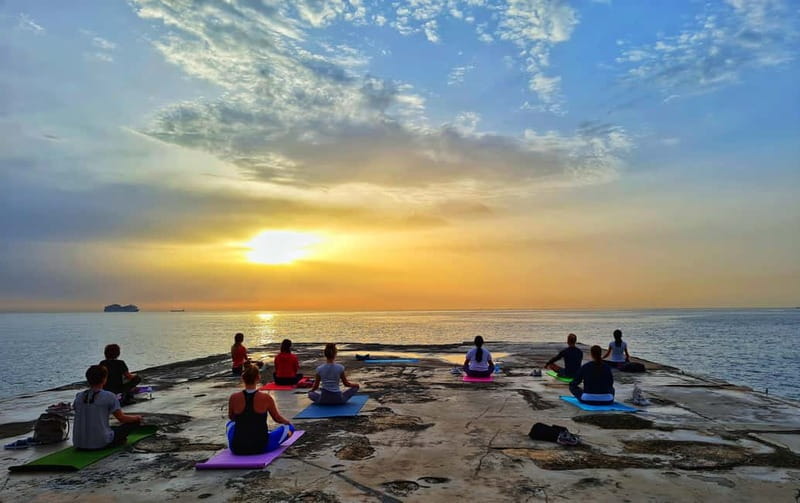
A key strength of this experience is how instructors adapt. The class is described as inclusive and personalized to multiple levels, with modifications and variations provided when needed. That’s exactly what you want when you’re trying something new abroad.
In the feedback, people highlighted how instructors were careful about comfort—especially important for first-timers. One review noted the teacher took time to make sure everyone felt at ease, even when some participants were brand new. Another review mentioned Merve working with beginners and helping them find positions that made sense.
The best way to use those modifications
Don’t treat modifications as a backup plan. Treat them as the main plan. If you feel strain instead of challenge, you’re probably too deep in a pose. Ask for a variation if you’re unsure. In a supportive class, that’s not a complication. It’s good practice.
Who the teaching style fits
This style tends to suit:
- Beginners who want guidance but don’t want judgment.
- Mixed groups where your friend is advanced and you’re starting out.
- Anyone who wants to strengthen and stretch without counting how many times they’ve failed a posture.
Price and value: $28 for yoga plus a sea cooldown
Let’s talk money plainly. The price listed is $28 per person, with a 90-minute total experience time. The yoga portion is 75 minutes, then you add the post-class swim.
Is it “worth it”? For me, it hinges on what you’re buying:
- You’re paying for a guided yoga sequence (not just a random stretch session).
- You’re getting English instruction.
- You’re practicing in a coastal setting where the atmosphere does real work for your mood.
- You’re adding a sea dip that turns recovery into part of the experience.
If you’ve ever tried to replicate sunrise yoga on your own—finding a good spot, bringing gear, arriving early, and getting a proper sequence—you know it’s not always easy. Here, the structure is done for you. That’s the value.
Also, you’re not paying for complicated extras. No big transport story. No long day. You’re here for a focused practice, then you’re on your way.
What to bring in Sliema: sportswear, your own mat, and a towel
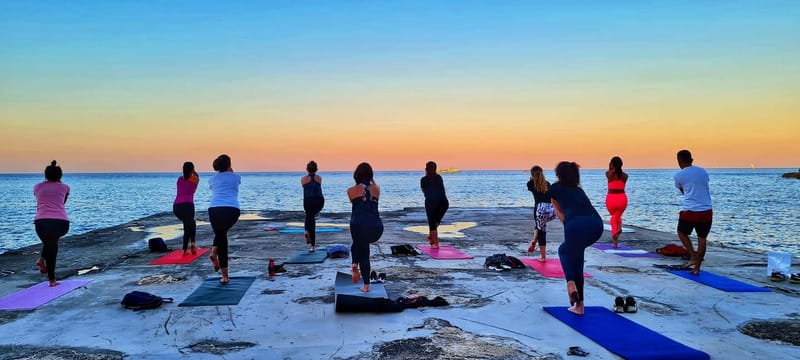
This is one of those classes where what you pack actually matters.
Required
- Sportswear
- Your own yoga mat (they ask you to bring it for hygiene, energy, and ecology)
- Your own towel (this is requested and makes sense for post-yoga comfort)
You should assume you’ll be on sand or near a deck surface, and it’s easier to stay comfortable when you can wipe off water and sweat afterward.
Smart add-ons (if you have them)
You might find it useful to bring:
- A small bag for wet items after the swim
- Water for staying hydrated in coastal air
- Light layers if you’re doing sunrise and the temperature drops before the sun climbs
Who this yoga class suits—and who should skip it
This class is designed for all levels, and that’s genuinely the point. Newcomers are welcome because instructors offer modifications and keep the environment safe and supportive. That’s clear in how the class is described and how people describe feeling comfortable during practice.
It’s not for everyone, though. The activity notes it is not suitable for people with high blood pressure and not suitable for pregnant women.
If any of those apply to you, it’s worth respecting the guidance rather than hoping the outdoor setting makes it safer. Yoga can be modified, but when an activity explicitly excludes certain health situations, that’s usually there for a reason.
How to plan your day around this experience
Because it runs at sunrise or sunset, it changes your itinerary rhythm. If you’re doing sunrise yoga, you’ll get a calmer start and likely feel more energized for walking around afterward. If you’re doing sunset, you’ll finish your day with a reset before dinner.
A good approach is to treat the class like a “anchor activity.” Build the rest of your time around it. Wear clothes you can move in, keep your footwear simple for the walk to/from the sea area, and don’t schedule anything stressful right afterward. You want your mind to stay in that relaxed mode.
Should you book it?
I think you should book this Sliema Beach Yoga Class if you want a short, well-structured yoga session with real atmosphere—plus that satisfying sea cooldown. It’s especially worth it when you’re new to yoga abroad, because the instruction is meant to be inclusive and people have called out the care and modifications.
Skip it if you’re in one of the excluded health categories, or if you strongly prefer a very slow, step-by-step class pace. Otherwise, $28 for a guided yoga sequence in a sea-setting, with a swim at the end, is solid value—and it’s the kind of experience that tends to stick with you long after your sunscreen is gone.
FAQ
Where does the yoga class take place in Malta?
The classes run from Sliema Chalet in Sliema, Malta.
How long is the experience?
The yoga session is 75 minutes, and the total experience time is 90 minutes.
Is the class taught in English?
Yes, the instructor teaches in English.
Do I need to bring my own yoga mat?
Yes. You are requested to bring your own yoga mat for hygiene, energy, and ecological reasons.
What should I bring besides a yoga mat?
The activity asks you to bring sportswear and also to bring a yoga mat or towel.
Is it suitable for beginners?
Yes. The class is inclusive and personalized to multiple levels, and instructors provide modifications and variations.
Is it safe for everyone, including pregnancy or high blood pressure?
No. It is not suitable for people with high blood pressure or for pregnant women.