REVIEW · KATHMANDU
Kathmandu: 1, or 3-Day Yoga, Meditation & Reiki Retreat
Book on GetYourGuide →Operated by Cordial Trek Pvt. Ltd. · Bookable on GetYourGuide
Quiet starts the moment you’re picked up. I like the easy hotel pick-up and drop that removes the usual Nepal stress, and I also really value the Reiki healing as a gentle reset alongside yoga and meditation. One thing to consider: the 1-day option can feel like a lot of sessions packed into a single block, especially if you want lots of free time.
This retreat works best as a short reset in the middle of travel. On the 3-day plan, you get the breathing room of multiple practice days plus a deluxe room for your stay, which helps the whole experience land instead of feeling rushed.
In This Review
- Key Things You’ll Notice Right Away
- Why This Kathmandu Retreat Works as a Reset
- Getting to the Retreat Center Without the Usual Kathmandu Hassle
- 1 Day vs 3 Days: The Retreat Schedule You’ll Follow
- The 1-Day Retreat: A Full Plate of Calm
- The 3-Day Retreat: Practice Builds, Quiet Becomes Real
- Yoga, Pranayama, Meditation, Chanting: What You Actually Learn
- Reiki Healing: Calm Energy Work, Explained in Simple Terms
- Sattvic Meals, Herbal Tea, and Why Food Matters During Practice
- Rooms, Quiet Time, and the Value of Two Nights
- Price and Value: What You’re Really Paying For
- Who This Retreat Suits Best (and Who Should Rethink It)
- Practical Tips Before You Go
- Should You Book This Kathmandu Yoga, Meditation & Reiki Retreat?
- FAQ
- What’s included in the retreat?
- Do I get Reiki in both the 1-day and 3-day options?
- What does the retreat schedule look like?
- How long is the experience?
- What language support is available?
- What should I bring?
Key Things You’ll Notice Right Away
- Hotel pickup and drop so you arrive calm, not flustered
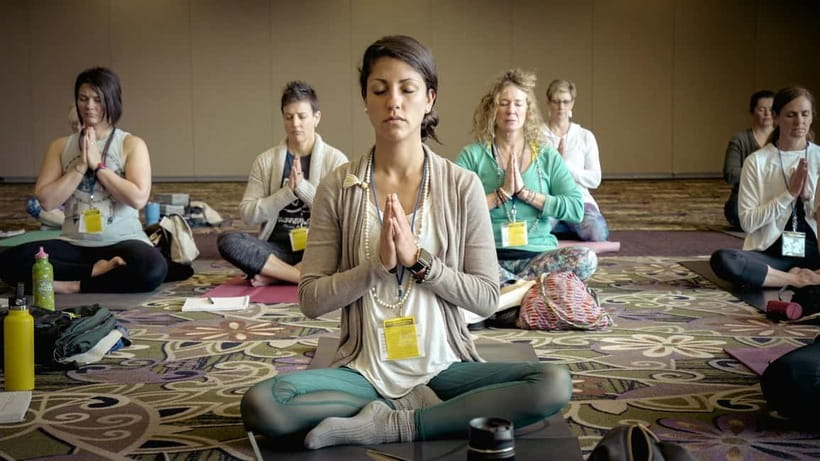
- A practice plan that mixes asana, pranayama, chanting, and meditation
- Reiki included as a focused energy-healing session
- Sattvic meals and herbal tea to keep your body supported during practice
- Options for 1-day and 3-day pacing, with schedule tweaks possible
Why This Kathmandu Retreat Works as a Reset
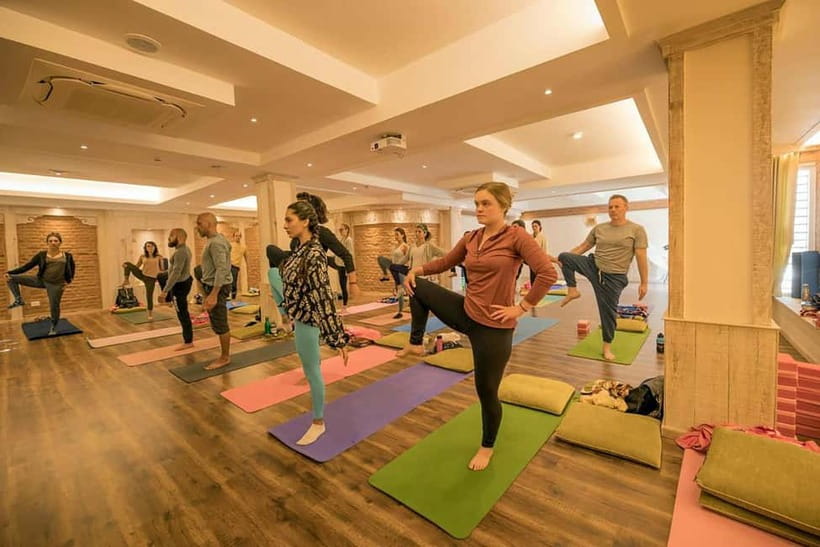
If you’re looking for a “time-out” from Kathmandu noise, this kind of retreat is built for that. You start with a transfer from your hotel or apartment, check in, and then move into a structured flow of yoga, breathing, meditation, and Reiki. It’s not trying to impress you with gear or big showmanship. It’s trying to slow your nervous system down.
Two things make it especially appealing. First, the pickup and drop service keeps logistics simple, so you can focus on the practice instead of finding your way across town. Second, the retreat’s mix of disciplines matters: yoga gives you the physical pathway, meditation gives you the mental quiet, and Reiki offers a calmer, hands-on energy component that many people find surprisingly grounding.
The only real drawback is practical: the day can be scheduled tightly. If you prefer a lighter pace or you’re the type who needs long stretches of quiet between activities, plan carefully and consider choosing the multi-day option.
You can also read our reviews of more tours and experiences in Kathmandu.
Getting to the Retreat Center Without the Usual Kathmandu Hassle
The experience starts with a comfortable pickup from your Kathmandu hotel or apartment. The local host language is English and Hindi, and you’re told to wait in the lobby about five minutes before your scheduled pickup time. That small detail matters in busy cities.
After pickup, you transfer to the yoga retreat center and check in. You also get a brief orientation, so you know how the day will flow and what to expect from each practice session. That’s especially helpful if you’re new to yoga or Reiki, because you’re not guessing what’s coming next while everyone else seems relaxed.
Another small but useful point: the retreat schedule is described as a general guideline and may shift depending on the program you choose and overall availability. In practice, that usually means you should show up with flexibility. It’s a good match for travelers who don’t want rigid “train-station timing,” but you still want a clear plan.
1 Day vs 3 Days: The Retreat Schedule You’ll Follow
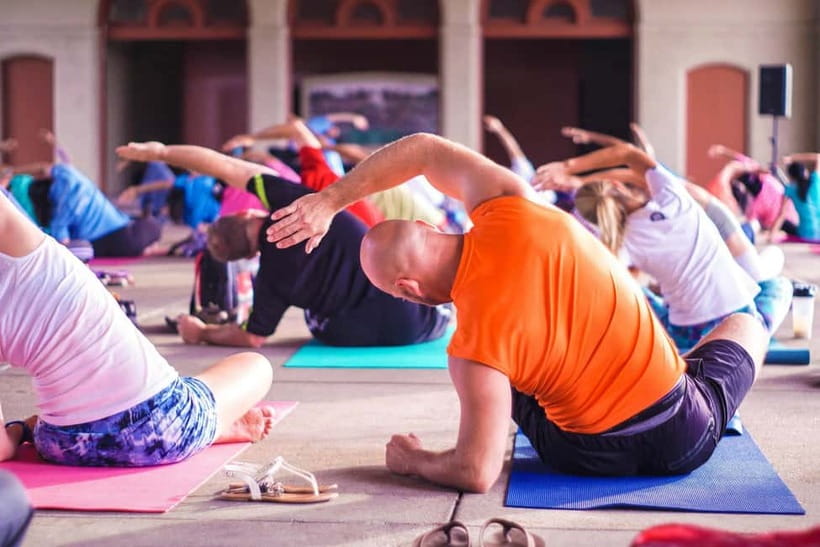
You can choose a shorter day retreat or a fuller 3-day journey. The structure stays similar, but the rhythm changes: more mornings and more spaced-out quiet on the multi-day plan.
The 1-Day Retreat: A Full Plate of Calm
A typical day starts at 11:00 AM with hotel pickup, followed by a short briefing. You’ll then do a yoga asana session around midday, eat sattvic lunch at about 2:00 PM, and move into Reiki at 3:00 PM. The afternoon continues with meditation and then a yoga asana flow later, with drop-back to your hotel around 7:00 PM.
This option is a strong choice if you’re short on time or you want to try the combo of yoga and Reiki without committing to an overnight stay. The drawback is also obvious: you don’t get much open time. It’s a workshop style day—good if you’re energized by structure, less good if you want long, quiet gaps.
The 3-Day Retreat: Practice Builds, Quiet Becomes Real
The 3-day plan runs across three mornings and two nights. Day 1 begins with pickup at 11:00 AM, a briefing, then a midday yoga asana session. You’ll have sattvic lunch, then Reiki, then meditation, and a later yoga flow session. Dinner happens at the end of the day.
Day 2 starts early with a morning yoga asana session, then chanting and relaxation. After that comes breakfast, a second yoga session, and another meditation plus a yoga flow in the evening. Day 2 includes sattvic meals again.
Day 3 starts with yoga asana in the morning, then chanting and relaxation, then breakfast. After that, you’re transferred back to your hotel for the end of the retreat.
Two small details help you understand why people like the 3-day plan. One is the repeated rhythm of practice—morning yoga, chanting/relaxation, meditation, then a final flow. The other is that you’re not constantly transferring or changing plans. Even the quiet time matters because your body has time to learn the new pace.
Yoga, Pranayama, Meditation, Chanting: What You Actually Learn
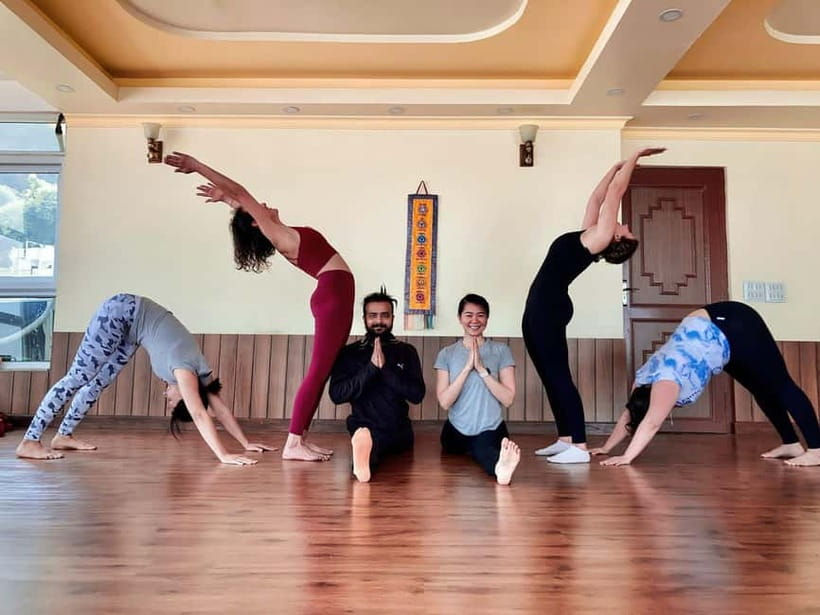
This retreat isn’t just stretching. It’s designed as a foundational introduction to Himalayan-style yoga practices, including asanas, breathing techniques, meditation methods, chanting, and yogic philosophy. That’s a useful distinction if you’ve done yoga classes before but never connected them to breathing, meditation, and the reasoning behind the practice.
You can expect guided sessions that focus on:
- Yoga asanas (postures) and a later asana flow
- Breathing techniques (pranayama)
- Meditation practices to steady the mind
- Chanting and relaxation sessions
- Yogic philosophy elements in a beginner-friendly way
What’s valuable here is the combination. Yoga postures help you feel grounded. Breathing gives you a tool you can use anywhere afterward. Meditation and chanting can feel unfamiliar at first, but the retreat format gives you repeated chances to try, not just one attempt.
One more point that comes through in the experience: you receive personalized attention from experienced instructors. That matters if you’re new, because you can adjust safely instead of guessing in front of a group.
Reiki Healing: Calm Energy Work, Explained in Simple Terms

Reiki is the standout for many people because it feels gentle but can still be deeply effective. The retreat describes Reiki as a life-force energy practice meant to support deep relaxation, help release tension, and reduce stress. The session is designed to bring mental clarity and calm, especially if you feel tired or overwhelmed.
On the 1-day retreat, you can expect a Reiki retreat session in the afternoon. On the 3-day option, you may receive Reiki in two sittings as part of the multi-day plan, which gives more continuity than one quick session.
Reiki isn’t presented here as something complicated. It’s framed as an energy-based method to support relaxation and well-being. If you’re curious, this format is a low-risk entry point because you’ll also have yoga and meditation to balance your experience.
Practical note: wear comfortable clothing you can move in. Even though Reiki itself may be calm and still, you’ll still do yoga later.
Sattvic Meals, Herbal Tea, and Why Food Matters During Practice
Food isn’t an afterthought in this retreat. You’ll get vegetarian meals described as sattvic, plus herbal tea and water included. Sattvic-style meals typically focus on lighter, simpler foods that support clarity and calm during spiritual practice.
On the schedule, you’ll see meals placed strategically around practice blocks:
- lunch after the first yoga asana session
- breakfast after early morning chanting/relaxation
- dinner after evening flow and meditation time
This pacing matters for two reasons. First, your body digests better when practice and meals aren’t separated by long, chaotic gaps. Second, it helps you keep the retreat feeling consistent—no hunting for food while you’re trying to stay relaxed.
If you’ve ever tried meditating while hungry, you know why this is valuable. Here, the retreat takes care of that problem so you can focus.
Rooms, Quiet Time, and the Value of Two Nights
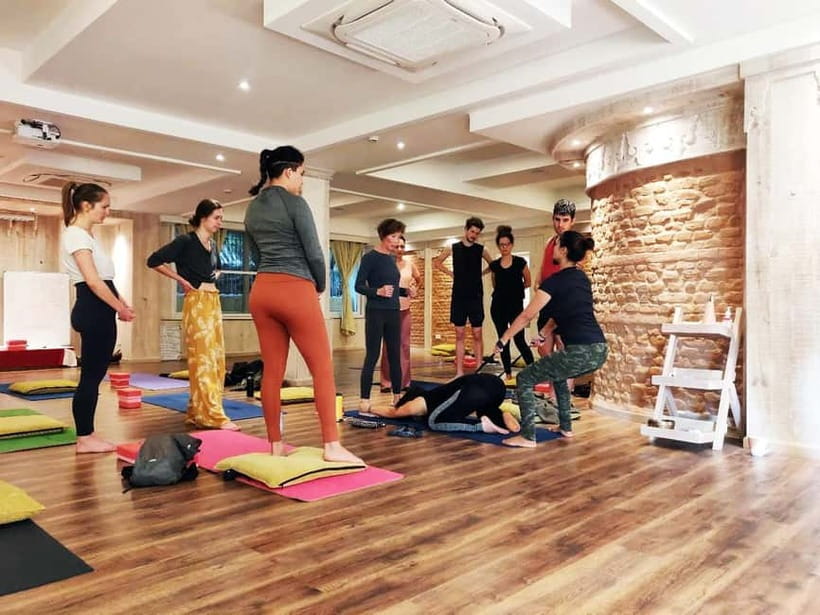
If you choose the 3-day plan, you get 2-night deluxe room accommodation. That’s a meaningful upgrade from doing yoga on a cramped schedule with no real place to settle.
One of the nicest benefits of having multiple nights is that you actually get downtime. You’re not just arriving for activities and leaving again. You can enjoy calm on your room’s own quiet space, and it’s even easier to take short breaks between sessions.
Also, the retreat center seems to host multiple people at once for yoga training. That can add a steady, grounded vibe. You may share the space with different nationalities and different levels of experience, but the focus stays on practice.
Price and Value: What You’re Really Paying For
The price listed is $4.90 per person, and that’s startlingly low for a retreat that includes pickup and drop, multiple daily practice sessions, meals, and Reiki. The key is to treat that number as a starting point and confirm what duration you’re booking and what’s included for that specific option.
Here’s the value logic that helps you decide:
- You’re buying time and structure, not just classes.
- You get transportation (pickup and drop), which is often the hidden cost in Kathmandu.
- You get organized meals and tea, so you don’t spend your energy on food decisions.
- You get an instructor-led approach with Reiki added in, which changes the experience beyond standard yoga.
For the right kind of traveler, this is great value because it bundles the essentials. For the wrong fit, it can feel like you’re moving fast through too many parts. So match the retreat to your temperament: do you want a scheduled reset, or do you want freedom to wander more?
Who This Retreat Suits Best (and Who Should Rethink It)
This retreat fits best if you want a short spiritual reset with real structure. It’s a strong option for:
- travelers who enjoy routine and want guidance
- people curious about combining yoga, meditation, and Reiki
- beginners who like a supportive pace with experienced instructors
It’s not suitable for children under 4 years, pregnant women, people with mobility impairments, or adults over 95 years. If any of these apply, skip it for safety and comfort.
If you’re dealing with stress, fatigue, or a travel backlog in your brain, this program’s blend of breathing, meditation, chanting, and Reiki is a practical way to slow down. If you already have a strong personal meditation practice and you want more silence, you might still like it, but the scheduled sessions mean you’ll be sharing time with the retreat plan.
Practical Tips Before You Go
A few basics will make the day smoother:
- Bring a camera if you want photos of the setting.
- Bring cash as you travel through Nepal.
- Bring your passport (a copy is accepted).
- Wear comfortable clothes for both yoga and calm sessions.
- Wait in the hotel lobby about five minutes before pickup.
Also, remember the schedule can adjust. Build in flexibility the same way you build it into meditation—lightly, without fighting it.
If you’re picking between 1-day and 3-day, use this rule of thumb. Choose 1-day if you want to sample and you don’t mind an active schedule. Choose 3-day if you want your body to settle and your mind to follow the practice for more than a single afternoon.
Should You Book This Kathmandu Yoga, Meditation & Reiki Retreat?
I’d book it if you want a guided, structured wellness break with real ingredients: yoga asanas, breathing work, meditation, chanting, sattvic meals, and Reiki energy healing. The hotel pickup and drop make it friendly for first-time visitors to Kathmandu, and the multi-day option gives you enough time to actually benefit instead of just completing a schedule.
I’d think twice if you hate back-to-back activities. The 1-day retreat can feel full, and if your ideal travel day includes long unplanned quiet hours, you’ll probably enjoy the 3-day pacing more.
Finally, double-check what you’re selecting in terms of duration and what the retreat includes for that exact program. The stated price looks unusually low, so confirmation helps you feel confident before you go.
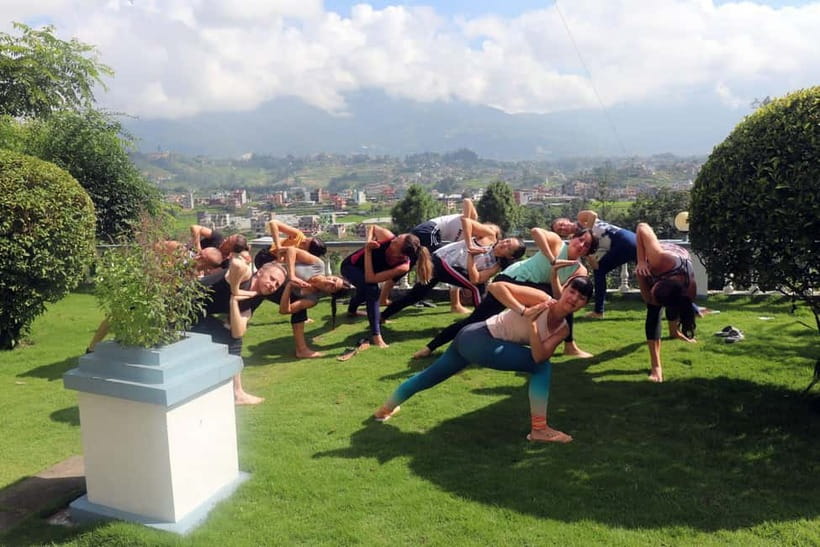
If you want a calm pause in the Kathmandu mountains with a blend of body work and relaxation-focused energy healing, this is a practical choice worth serious consideration.
FAQ
What’s included in the retreat?
It includes pick up and drop service from your hotel, daily yoga and meditation practice, vegetarian meals, herbal tea, and an Reiki healing therapy session. If you book the 3-day plan, you also get 2-night deluxe room accommodation.
Do I get Reiki in both the 1-day and 3-day options?
You receive a Reiki healing therapy session as part of the retreat. For the 3-day option, the Reiki treatment may include two sittings.
What does the retreat schedule look like?
The schedule is provided as a guideline and can adjust. A 1-day retreat typically includes a briefing, yoga asana, sattvic lunch, Reiki, meditation, and a later yoga flow, then drop-off back to your hotel. The 3-day plan repeats mornings with yoga and includes chanting and relaxation, plus additional yoga and meditation sessions each day.
How long is the experience?
The experience duration is listed as 8 hours. The retreat itself is offered in 1-day or 3-day options, depending on availability and your booking choice.
What language support is available?
The host or greeter is listed as English and Hindi.
What should I bring?
Bring a camera, cash, and your passport (a copy is accepted). Comfortable clothing for yoga and calm sessions is also smart since you’ll move during the practice blocks.