REVIEW · KYOTO PREFECTURE
Kyoto: Zen Meditation and Garden Tour at a Temple with Lunch
Book on GetYourGuide →Operated by MagicalTrip · Bookable on GetYourGuide
Zen quiet in Kyoto, with real practice. This tour starts with a guided look at a Zen garden at Komyo-in, then continues into a zazen experience at Tofuku-ji. I like that you get practical instruction on posture and breathing, not just temple sightseeing, and the guide keeps the group moving at a calm pace. One possible drawback: during zazen, you’ll need to stay silent, using provided materials for reading instead of chatting.
My second big reason I’d book it is the lunch. You get Shojin ryori, a traditional Buddhist meal historically eaten by Zen monks, with a vegetarian focus (dashi included) plus a bit of dairy. I also like the size: limited to 7 people, which makes the Q&A portion feel less like a lecture hall.
If you’re traveling at peak heat or in winter, plan for comfort. Summer is hot and humid (bring water and a hat), and temple floors can be cold in winter (thick socks help).
In This Review
- Key highlights worth marking on your Kyoto map
- Zen quiet in Kyoto: what you’re signing up for at Tofuku-ji
- Komyo-in Zen garden: learning to see before you sit
- Tofuku-ji Temple stops: San-mon gate, dragon ceiling art, and the oldest toji
- Zazen at the temple: posture, breathing, and the rules of quiet
- Monk discussion after meditation: turning silence into understanding
- Shojin ryori lunch: a Zen-meal you can actually taste
- Price and value: why $107 can make sense for Kyoto
- Getting there from Kyoto: a simple route from stations
- Who this tour fits best (and who should skip it)
- Should you book this Kyoto Zen Meditation and Garden Tour?
- FAQ
- What is the duration of the Kyoto Zen Meditation and Garden Tour?
- Where do I meet the group?
- Is the zazen session silent and is there any material provided?
- What language is the tour guide?
- What do I eat for lunch?
- Is this tour suitable for kids or for gluten intolerance?
- What should I do if my schedule makes lunch later?
Key highlights worth marking on your Kyoto map
- Tofuku-ji Zen garden teaching that frames Zen through what you actually see, not just what you’ve heard
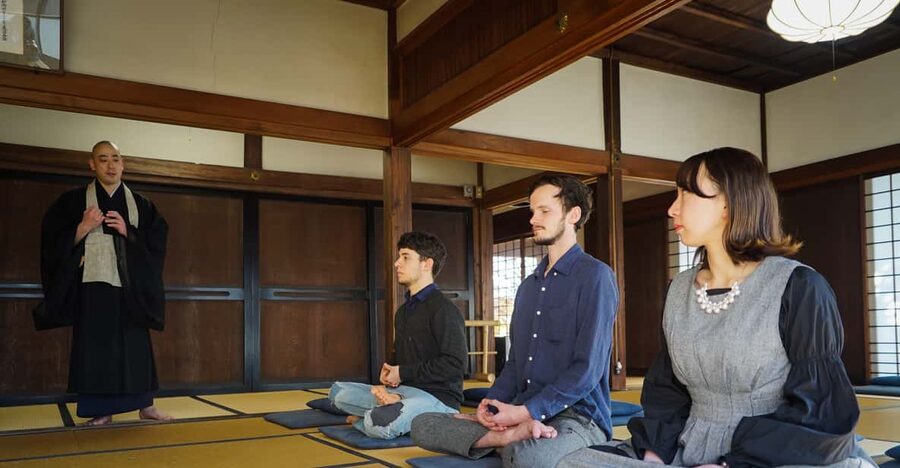
- Zazen practice with a monk, including posture, breathing, and a quiet session with silent reading materials
- Temple details many people skip, like the San-mon gate, dragon ceiling paintings, and the oldest surviving toji (toilet)
- Shojin ryori lunch with vegetables, mushrooms, and seaweed, plus dashi broth and a bit of dairy
- Small-group feel (up to 7) plus English live guiding from people like Yutaka, Louis, Eri, Yukata, and Tammy
Zen quiet in Kyoto: what you’re signing up for at Tofuku-ji
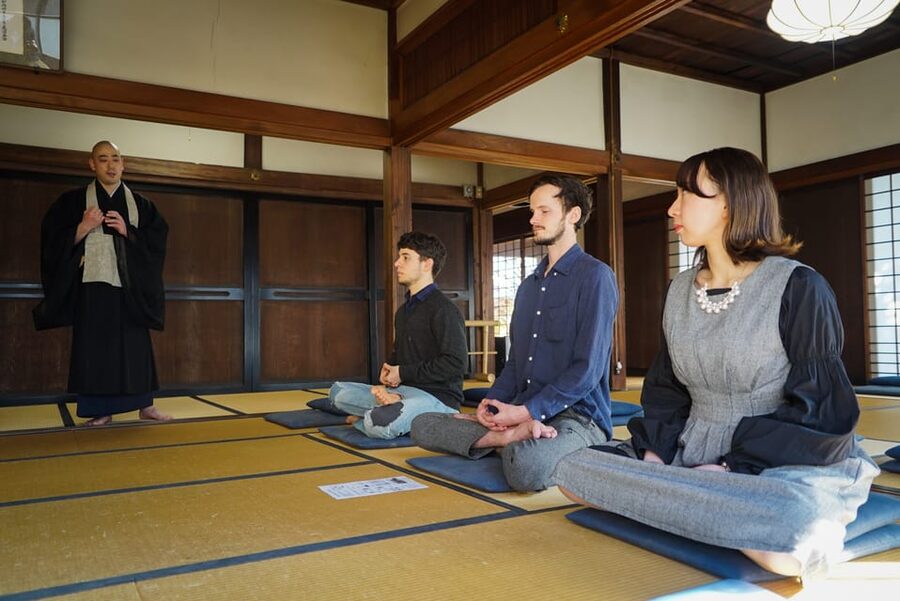
This is one of those Kyoto experiences that feels simple on paper and slightly tougher in the best way once you’re there. You’re not just touring temples. You’re learning how Zen meditation works through your body and your attention.
The day’s rhythm is the key. You begin outside the noisy part of Kyoto, then shift into a slower mode: garden focus, temple exploration, one-hour zazen, and finally lunch in a monk-training setting. The small group matters here. With only up to 7 participants, the guide can guide you with less rushing, and you’re more likely to get your questions answered during the monk discussion.
If you came for photos and surface-level culture, you might find the quiet session challenging at first. That silence rule during zazen is real—no private conversations. But if you’re okay with that, you’ll probably come away feeling steadier, not just “inspired.”
Komyo-in Zen garden: learning to see before you sit
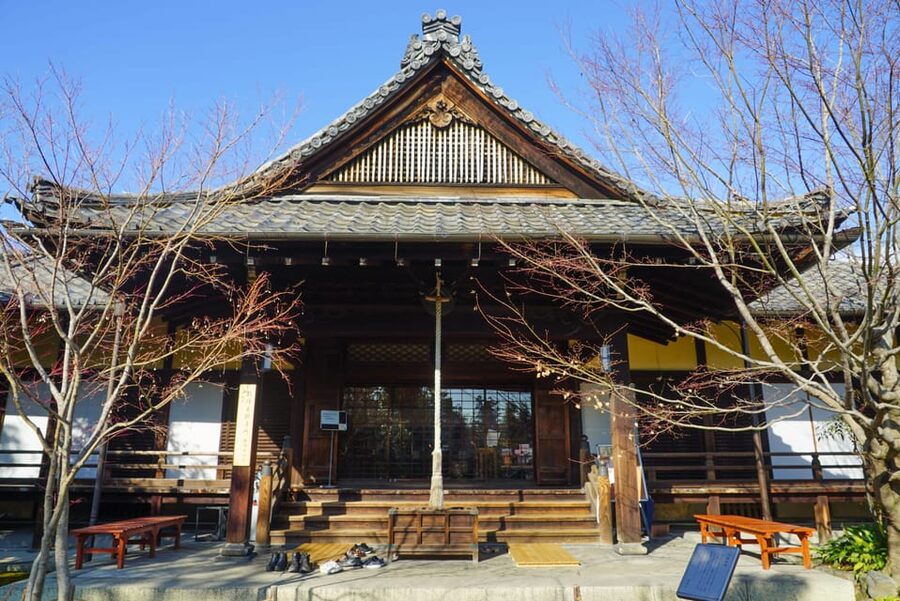
The tour begins at Tofukuji Station Exit 2 by the FamilyMart. From there, you head into Komyo-in, where the first major teaching happens in a Zen garden.
This is not a random stroll where you follow behind a guide. You get commentary tied to Zen principles—how to look, what to notice, and how to let the garden do the teaching. The guide’s job is to help you understand the garden’s calm logic, and then connect it to what you’ll do later in zazen.
You’ll likely be surprised by how practical this feels. Zen can sound abstract (even to Japanese people), but the garden gives you something concrete: lines, shapes, and a kind of “controlled stillness.” You start learning the mindset before you ever sit down on the floor.
A nice bonus: the experience sets expectations for the rest of the day. After you’ve “read” the garden with the guide, you’ll understand the next steps better—especially how attention and breathing connect.
Tofuku-ji Temple stops: San-mon gate, dragon ceiling art, and the oldest toji
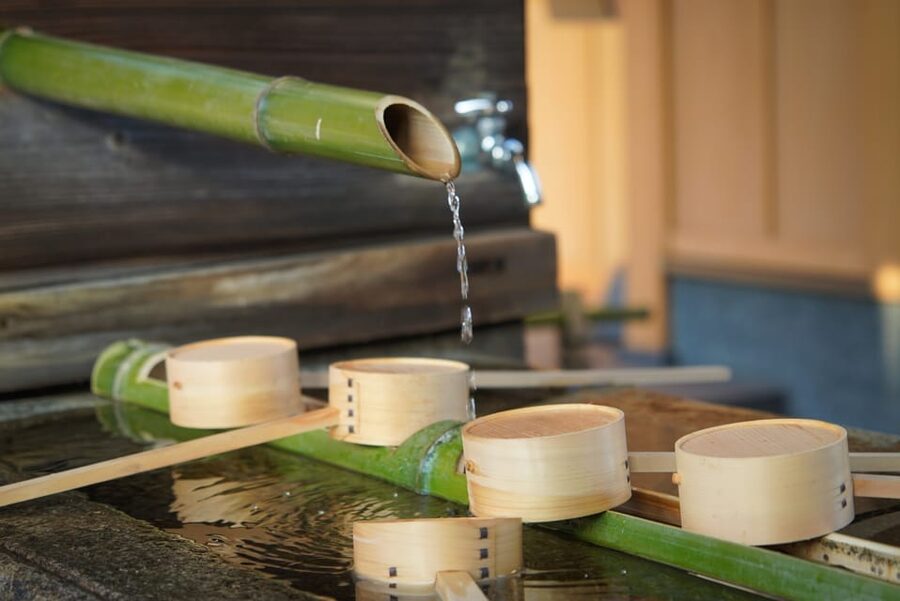
After Komyo-in, the tour goes into Tofuku-ji Temple proper. Even with a short block of time here, you cover stand-out features that help you understand what makes Tofuku-ji a major Zen site.
What you’ll get to see includes:
- the impressive San-mon gate
- intricate dragon ceiling paintings
- and the oldest surviving toji (toilet)
That last one is eyebrow-raising until you realize what temples do best: they preserve everyday reality alongside big spiritual ideas. If you like details that most guided tours won’t mention, this stop scratches that itch.
A practical note: the time in Tofuku-ji itself is not long, so don’t expect a full independent temple circuit. Think of this as guided orientation and selective highlights—enough to deepen your later zazen session, not so much that the day becomes a marathon.
Zazen at the temple: posture, breathing, and the rules of quiet
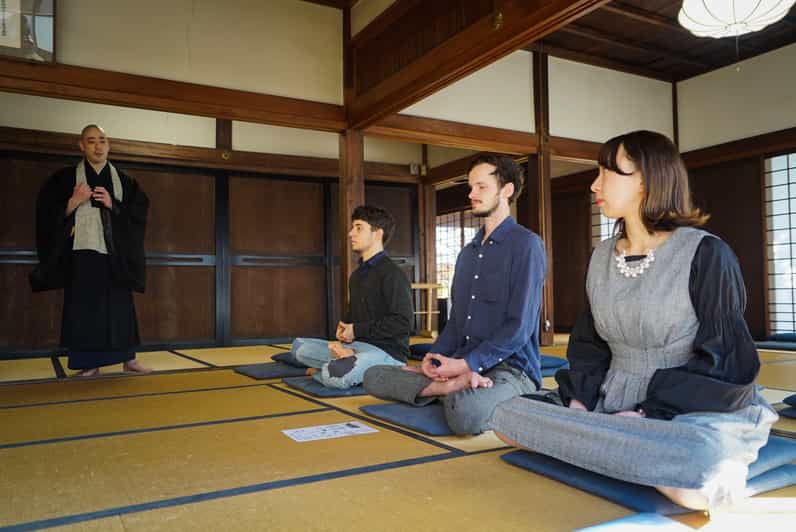
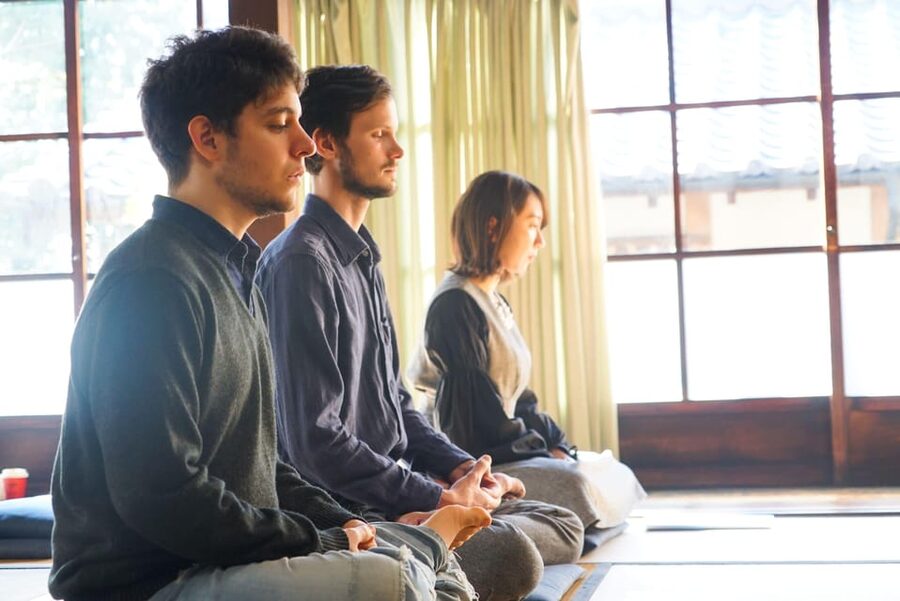
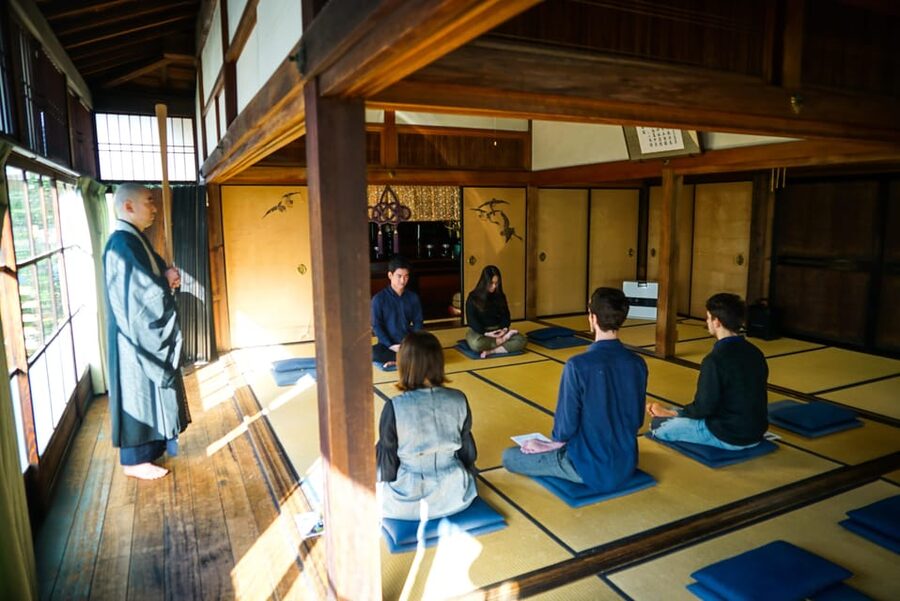
This is the heart of the tour. After temple viewing, you move to a smaller space within the Tofuku-ji precinct dedicated to zazen practice.
During the zazen session:
- your guide stays silent
- you’ll be given special silent reading materials
- you’ll practice posture, breathing techniques, and methods connected to zazen
This structure matters. Zazen works best when your brain stops trying to get “entertainment” from the moment. That’s why private conversations are prohibited. The materials let you keep learning without breaking the mood.
In practical terms, expect the session to feel focused and a bit unfamiliar if you haven’t practiced before. Comfort is not a side issue here. Temple floors can be cold in winter, so thick socks are a smart move. In summer, it’s humid—bring water and plan to cool off between stops.
One small detail that makes a big difference: the session is guided, but you’re also left with room to experience. It’s not a performance. It’s practice.
Monk discussion after meditation: turning silence into understanding
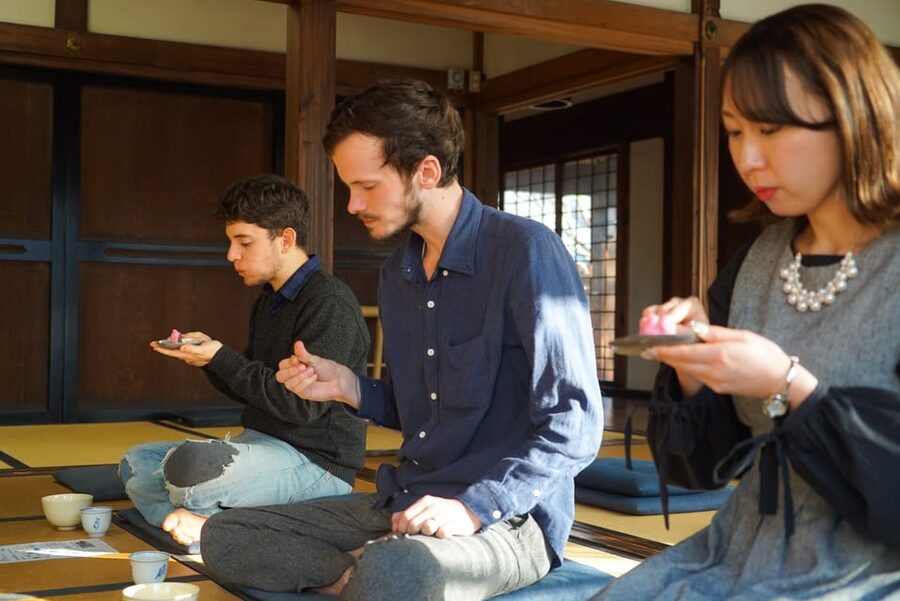
After zazen ends, there’s a brief conversation period with monks. The goal isn’t to turn your experience into a debate. It’s more like a chance to swap impressions and ask what you genuinely want clarified after sitting.
This is where a good English-speaking guide can really help. Names you might encounter include Yutaka, Louis, Eri, Yukata, and Tammy, and the common thread is the translation and guidance—helping you ask something meaningful even if your understanding is still forming.
If you want a practical takeaway, aim for questions that start with your experience:
- What should I pay attention to next time?
- How do posture and breathing work together?
- What does the garden teaching connect to in practice?
Don’t overthink it. The monk discussion is short, and you’ll get more out of one good question than five half-questions.
Shojin ryori lunch: a Zen-meal you can actually taste
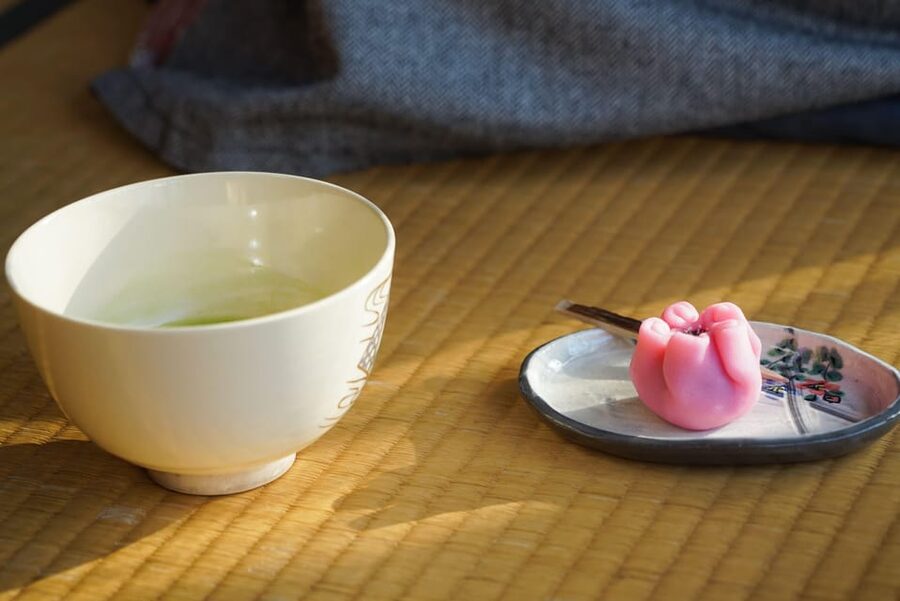
After meditation, you walk to a restaurant for lunch. The food here is Shojin ryori—vegetarian Buddhist cuisine adopted by Japanese monks since the 13th century.
The meal is built around vegetables, mushrooms, and seaweed, and it avoids meat and fish. You’ll also get dashi-fish broth (not a full vegetarian broth in the modern Western sense), and the tour description notes that a bit of dairy may be included. Translation: expect a Buddhist-style vegetarian meal with Japanese seasoning logic, not a bland “health bowl.”
You’ll likely love two things about this lunch:
1) It feels connected to the day, not like a random restaurant stop.
2) It’s served in an environment that historically trained large numbers of monks—up to 1,200 at one time in the adjacent temple setting.
The 45-minute meal block gives you enough time to actually eat, not just “take a photo and move on.” It’s also a chance to reset your body after the quiet session.
If you have a gluten intolerance, this matters: the tour is not suitable for people with gluten intolerance, so double-check before booking.
Price and value: why $107 can make sense for Kyoto
At about $107 per person for roughly 270 minutes, this tour is priced like an experience with real guided content—temple admission, an English live guide, zazen teaching, a vegetarian Buddhist lunch, and photos included.
Here’s how I think about value for this kind of day:
- If you try to recreate it on your own, the biggest cost isn’t just tickets. It’s finding a guide who can explain Zen concepts clearly and keep the group aligned during the silent portion.
- Temple admissions and the lunch are built in, so you’re not hunting down a “good enough” nearby place after meditation.
- The small group (up to 7) reduces the awkwardness factor. In a larger group, zazen instruction and Q&A usually feel harder to personalize.
So yes, it’s not cheap. But it’s not paying for a name-brand bus ride either. You’re paying for time with Zen practice and temple interpretation in a controlled, respectful setting.
Getting there from Kyoto: a simple route from stations
Meeting point is outside Tofukuji Station, Exit 2, next to the FamilyMart. That matters because you can’t be late—if you miss the group, there’s no catch-up.
If you’re coming from Kyoto Station, you can use JR rapid or local trains. If you’re coming from Shijyo Keihan, use the Keihan line, but don’t take express trains.
My practical advice: build in a little extra time to find Exit 2 and get oriented. Even when Kyoto is easy, station entrances can feel like a maze until you’re inside it.
Who this tour fits best (and who should skip it)
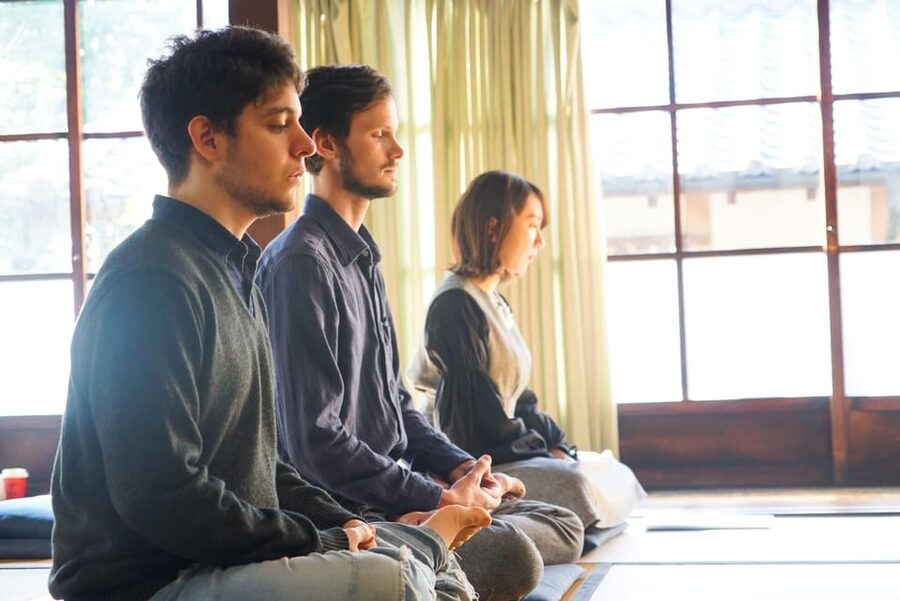
This is a strong match if you want more than “temple photos.” You’ll enjoy it most if you:
- want hands-on zen meditation practice (zazen), not just theory
- like structured guidance, especially for posture and breathing
- enjoy calm group travel with limited numbers
- are happy to follow silence rules during meditation
It may not be the best fit if you:
- have gluten intolerance (not suitable)
- are traveling with kids under 12 (not suitable)
- expect a chatty, walk-and-talk sightseeing format during zazen (silence is part of the design)
Also, if your energy runs hot or cold easily, plan ahead. Summer needs water and a hat. Winter needs thick socks.
Should you book this Kyoto Zen Meditation and Garden Tour?
I’d book it if you’re in Kyoto for a few days and you want one experience that feels both meaningful and practical. The zazen portion is the main event, and the way the garden teaching leads into sitting makes the whole day feel connected. Add in the Shojin ryori lunch—served after meditation, in a setting tied to monastic training—and you get a complete arc, not a series of unrelated stops.
Skip it if you don’t handle quiet well, or if you need a very flexible schedule around meals. Also, if gluten is an issue, don’t gamble.
If you’re the kind of traveler who likes learning how people practice, not just where they pray, this is one of the more worthwhile ways to spend a morning or early afternoon in Kyoto.
FAQ
What is the duration of the Kyoto Zen Meditation and Garden Tour?
The tour runs for about 270 minutes.
Where do I meet the group?
Meet outside Tofukuji Station Exit 2 next to the FamilyMart.
Is the zazen session silent and is there any material provided?
Yes. Private conversations are generally prohibited during zazen, and you’ll be provided with special silent reading materials.
What language is the tour guide?
The tour has a live English guide.
What do I eat for lunch?
Lunch is Shojin ryori, a traditional Buddhist vegetarian meal. Dashi is included, and the tour description notes a bit of dairy may be included.
Is this tour suitable for kids or for gluten intolerance?
No. It’s not suitable for children under 12 and it’s not suitable for people with gluten intolerance.
What should I do if my schedule makes lunch later?
If you book the tour starting at 10:45, lunch time would be 14:15, so have enough breakfast or brunch beforehand.