REVIEW · KYOTO
Kyoto: Zen Meditation at a Private Temple with a Monk
Book on GetYourGuide →Operated by Travel Japan Together · Bookable on GetYourGuide
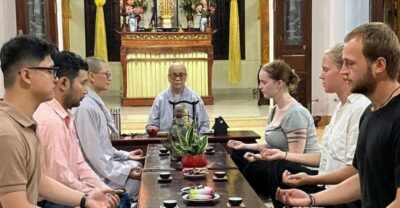
Kyoto gets quiet when a monk teaches sitting. This is a private Zen temple experience in Kyoto, where you learn zazen and then slow down in the gardens with tea and a real chat with the monk. The whole thing runs just 90 minutes, so it’s easy to fit into a packed day.
I especially like two parts. First, you get hands-on guidance for zazen posture and technique (not just a talk). Second, the session ends with tea ceremony time and a view of the gardens, which makes the practice feel practical, not just theoretical.
One heads-up: the meeting point is a toilet at Kodaiji Park (north side). If you rely on random map pins, you can lose a few minutes before the guide finds you.
In This Review
- Key things you’ll remember
- Zen Meditation in Kyoto: What Makes This Private Temple Session Work
- Meeting at Kodaiji Park: The One Detail You Should Not Ignore
- The Short Walk to the Temple: How They Set the Atmosphere
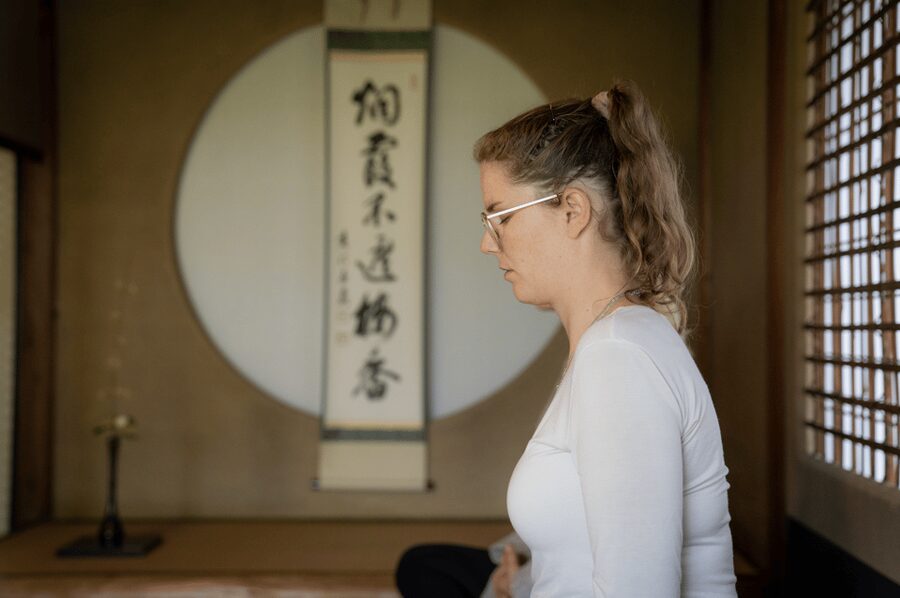
- Inside the Temple: What the Monk and Guide Teach You Before You Sit
- Zazen Practice: Posture, Breath, and the Moment Your Mind Stops Yelling
- Tea Ceremony and Garden Time: Turning Calm Into a Real Memory
- Q&A With the Monk: The Real Cultural Exchange
- Photos With the Monk and Temple Gardens: Keeping the Balance
- Price and Value: Is $91 for 90 Minutes Reasonable
- What to Wear and How to Prepare (So You Can Actually Focus)
- Who This Is Best For (and Who Should Skip)
- Final Thoughts: Should You Book Kyoto Zen Meditation at a Private Temple?
- FAQ
- Where is the meeting point?
- How long is the experience?
- Is the tour in English?
- What’s included?
- Can I take photos during the experience?
- Is transportation included?
Key things you’ll remember
- Private access to a temple not open to the general public: you get a calmer setting than the usual sightseeing crush
- Monk-led zazen with English translation: the monk speaks, your guide translates, and you follow the practice
- Guidance that starts with basics: posture, breathing rhythm, and how to settle your mind
- Gardens and a tea ceremony right after meditation: quiet time continues instead of ending abruptly
- Photo time with the monk and temple: you’ll leave with memories that aren’t just selfies on busy streets
- Small or private group options: less waiting, more personal questions
Zen Meditation in Kyoto: What Makes This Private Temple Session Work
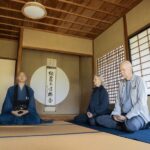
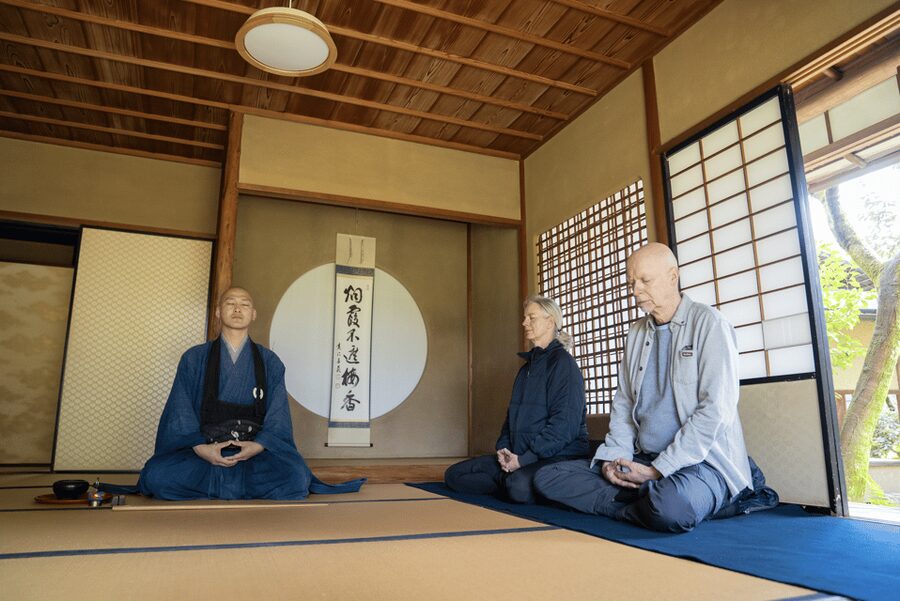
Kyoto has no shortage of shrines and temples. The difference here is that you’re not doing sightseeing. You’re doing zazen—seated meditation—with a monk, in a temple setting that isn’t open to the general public.
That matters because Zen teaching doesn’t come through facts alone. It comes through doing. And in this format, you get the structure you usually miss when you meditate on your own: the “start here, sit like this, breathe like that” guidance that helps you stop flailing mentally.
You also get something many culture experiences skip: a moment to convert the calm into a memory you can keep. The tea ceremony and garden view turn the session into a closing ritual, not a quick photo stop.
You can also read our reviews of more tours and experiences in Kyoto.
Meeting at Kodaiji Park: The One Detail You Should Not Ignore
Your meeting point is the toilet at Kodaiji Park, and the guide waits on the northern side of the toilets. Yes, that sounds oddly specific. That’s exactly why it works—if you go straight there.
Practical advice: don’t assume Google Maps will drop you at the correct spot. Head to Kodaiji Park, find the toilets, then look for your guide on the north side. If you’re arriving late or unsure, it’s worth messaging or checking in with the guide’s instructions before you wander.
This is the only part of the experience where things can get awkward. Once you start walking to the temple, everything becomes smooth and quiet.
The Short Walk to the Temple: How They Set the Atmosphere
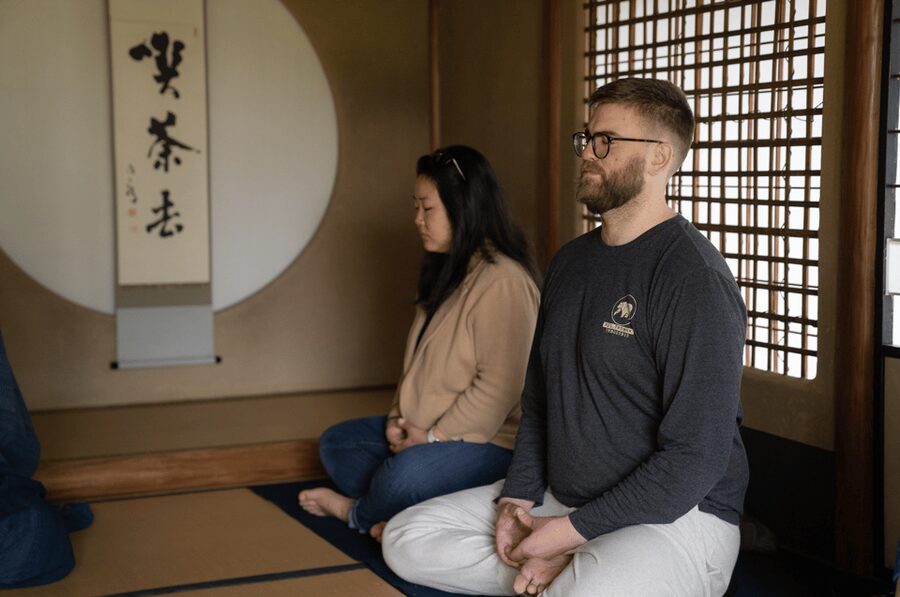
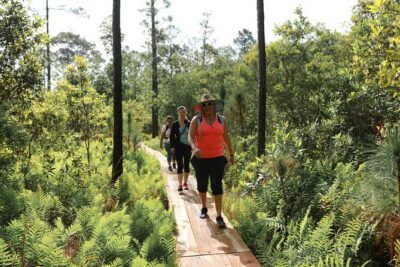
After you meet at Kodaiji Park, you’ll walk about 10 minutes on foot to the temple. That short walk is more than transit. It’s a buffer.
You move from regular park noise into temple stillness, and that matters for first-timers. When people try meditation immediately after a loud bus ride, their brain won’t cooperate. This timing gives you a little downshift first.
When you arrive, you’ll enter a temple space that’s described as peaceful and often not available to the general public. That means you’re less likely to be competing with tour groups, which helps your mind do what it’s supposed to do: settle.
Inside the Temple: What the Monk and Guide Teach You Before You Sit
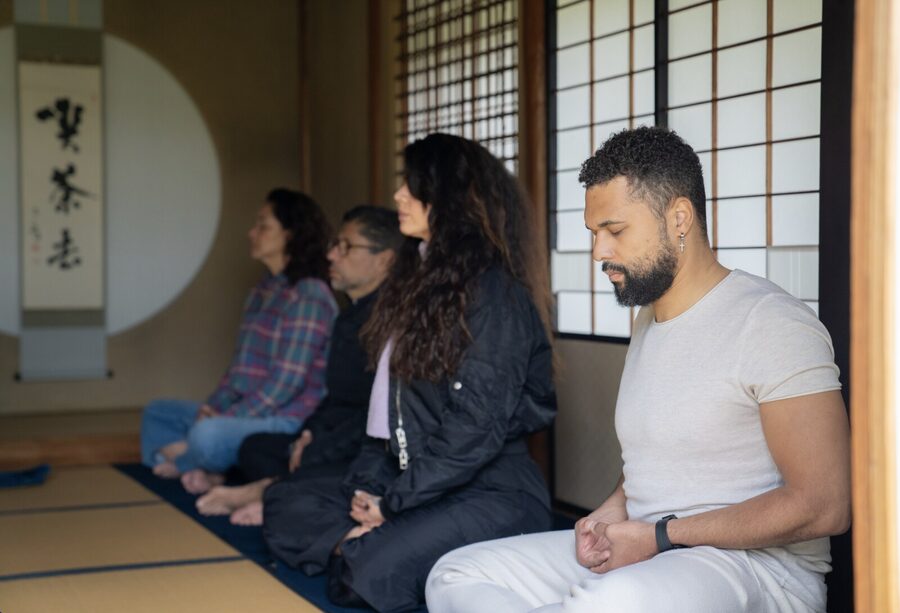
Once you’re inside, your guide gives a brief orientation about Japanese culture and Zen principles. Think of this as the “how to behave” plus the “what you’re actually doing” part.
Then comes the real teaching: you’ll listen to a monk’s lecture on the principles and techniques of zazen. From the experience format, you can expect the key themes to center on:
- unifying your mind
- confronting yourself honestly
- detaching from ego and worldly concerns
- learning the basics of posture and how to focus
- breathing in a rhythmic, steadier way
The English translation is handled by a live guide (English language). In some runs, the monk leads in Japanese and your guide translates. That’s a good setup because you’re still hearing the monk’s cadence and tone, just with clear meaning in English.
If you’re brand-new to meditation, don’t worry. The structure is designed to make beginners comfortable. You’ll likely get enough instruction to sit without feeling lost.
Zazen Practice: Posture, Breath, and the Moment Your Mind Stops Yelling
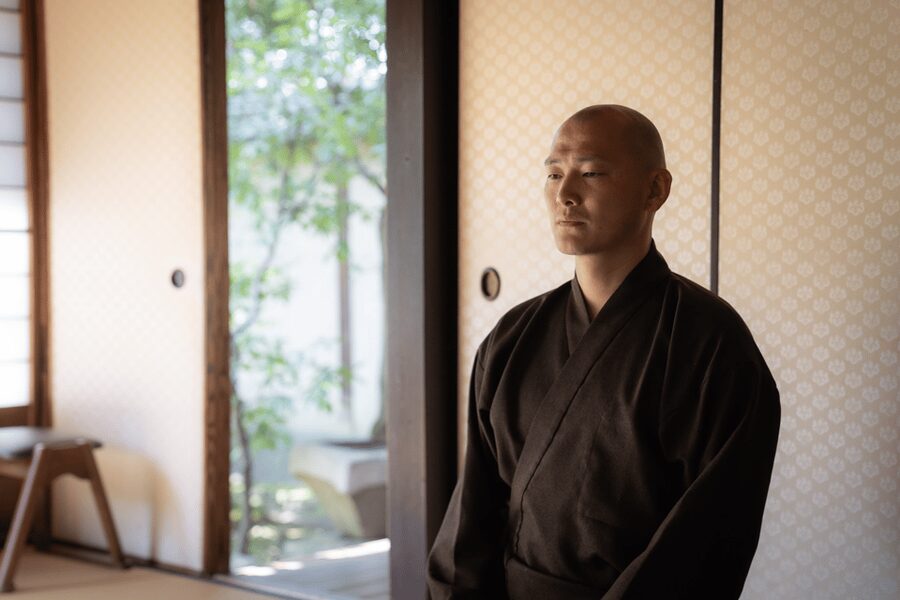
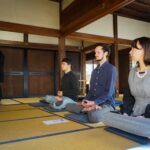
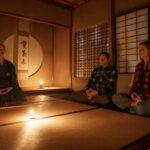
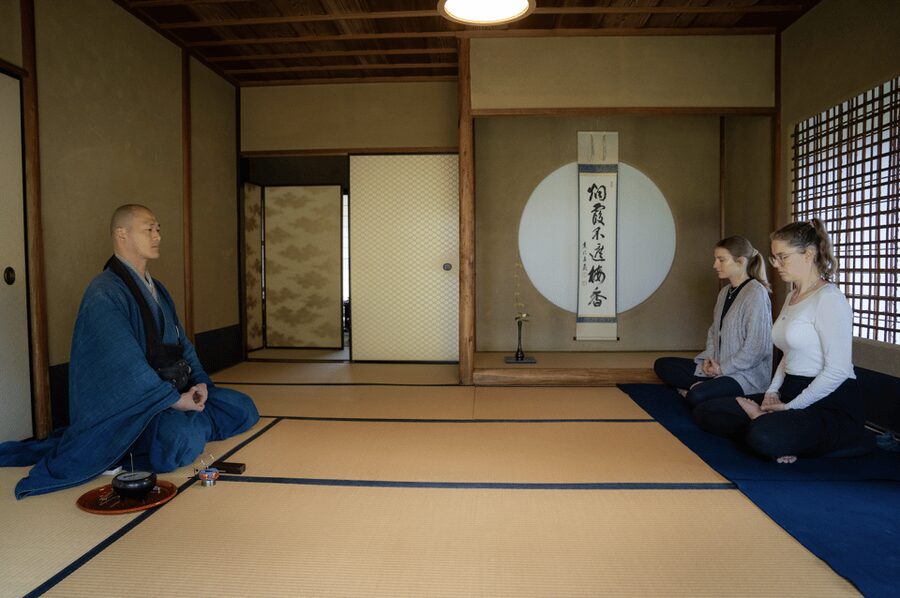
The heart of the experience is the zazen practice itself. You’re not just listening to words—you’re following instruction while you sit.
Based on what people say the session delivers, this is where the experience becomes personal fast. When the guide helps with posture, and you’re taught to breathe rhythmically, your mind has fewer places to jump.
A practical way to think about what you’ll learn: the goal isn’t to force your thoughts away. It’s to practice attention and steadiness until your mental noise feels less like an emergency and more like background.
In real terms, you can expect a few outcomes:
- You’ll understand what the sitting is for, not just how to do it.
- You’ll learn how to use posture and breathing as anchors.
- You’ll get a guided experience that’s longer than a casual “try meditation for five minutes.”
And because it’s private temple time, the setting helps. People often say it feels welcoming and calming even for first-timers. You’re also able to ask questions later, which reduces the feeling of mystery. When you leave knowing what you just practiced, you’re more likely to repeat it at home.
Tea Ceremony and Garden Time: Turning Calm Into a Real Memory
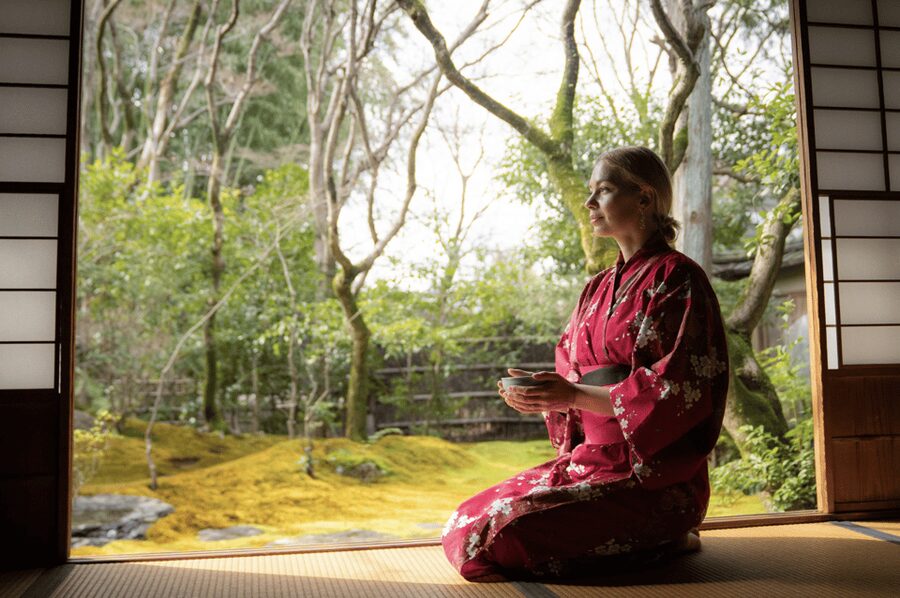
After your zazen, the pacing shifts in a smart way. You don’t rush out. You end with tea.
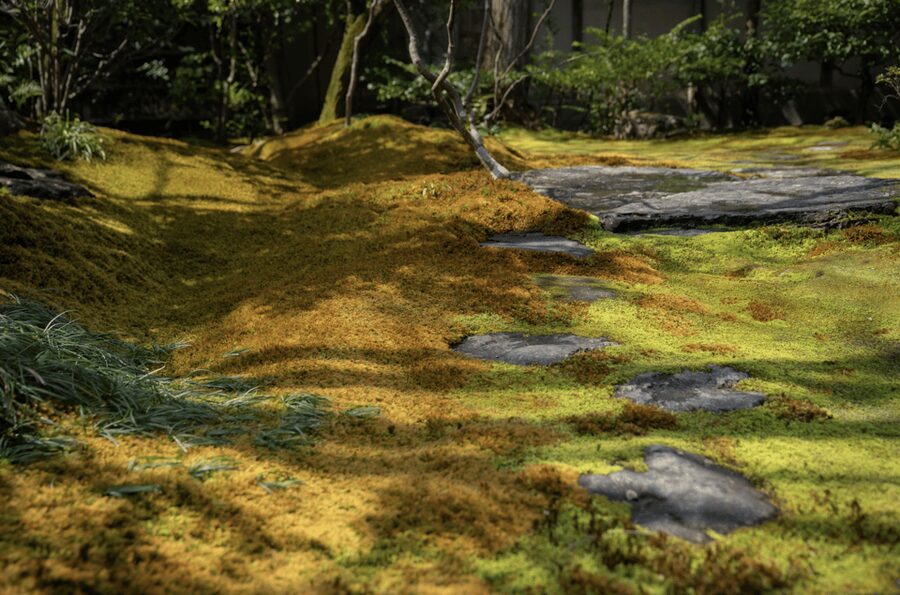
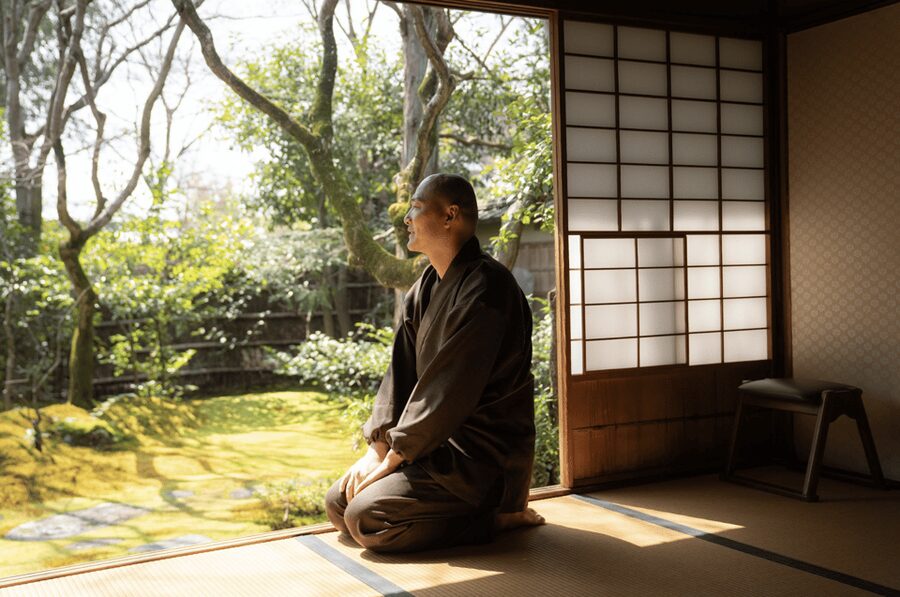
The experience includes a tea ceremony plus the chance to enjoy a view of the temple gardens. This is one of the best-value parts of the whole format because it changes the function of the visit. The tea and garden time become the “aftercare” for your mind.
Instead of leaving at the peak calm and then getting hit by Kyoto traffic, you sit with quiet a bit longer. That makes a difference if you’re trying to remember what you felt and why it worked.
If you’re sensitive to noise, you’ll appreciate the pacing. Even in daylight, the garden time is meant to feel controlled and restful, with the kind of space that lets you think slowly.
Q&A With the Monk: The Real Cultural Exchange
One reason this experience rates so high is that it doesn’t end when you stand up.
You get time for discussion with the monk after meditation. You can ask questions about Zen and the practice, and the monk can respond directly through the guide’s translation.
This is where you learn that Zen isn’t just a “relax” technique. It’s a lived approach. People often describe leaving with advice that feels usable, not mystical. Whether you ask about posture, focus, or what it means to practice, you’ll likely get answers framed in a way that connects to daily life.
You should also expect the tone to be gentle and welcoming. The guides translate in a way designed to make the monk’s points feel clear and respectful.
Photos With the Monk and Temple Gardens: Keeping the Balance
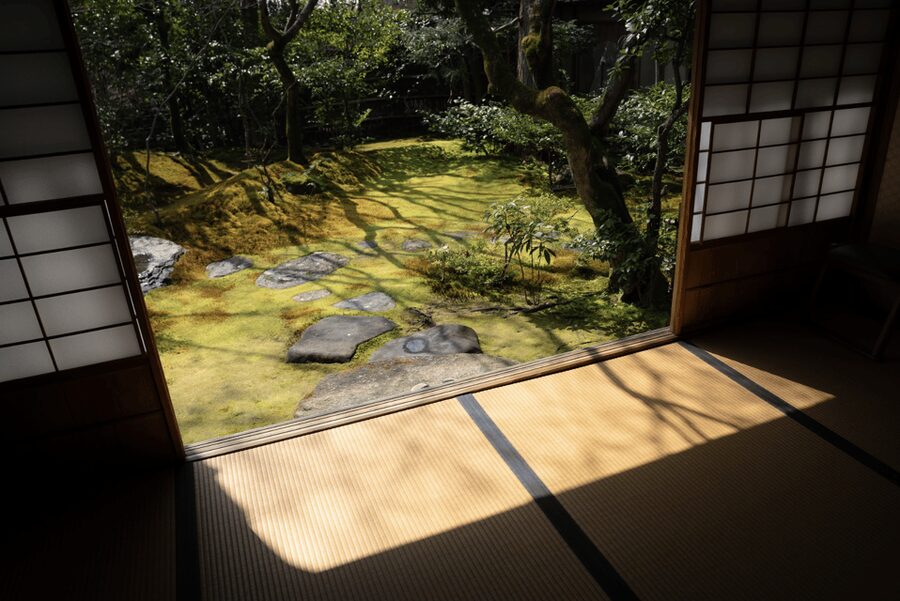
You can take photos with the monk and of the temple and gardens. That’s great for two reasons:
1) You’ll have real context for what you experienced when you look back later.
2) You don’t have to choose between “respectful silence” and “capturing the moment.”
Just keep it practical. Take photos when you’re invited, then settle back into quiet. This is a place for attention, not a stage.
Also, since the temple setting is picturesque, you’ll want to time your photos around the natural pauses after the teaching. You’ll get better shots without turning everything into a distraction.
Price and Value: Is $91 for 90 Minutes Reasonable
At $91 per person for 90 minutes, this isn’t a budget activity. But it’s also not just a ticket.
You’re paying for four specific value drivers:
- Private temple access that isn’t available to the general public
- Monk-led instruction and lecture (with English translation)
- Guided zazen practice where you learn technique, not just atmosphere
- Tea ceremony and Q&A, which turns the experience into a conversation
If you’re used to paying for “cultural activities,” you’ll recognize the usual weakness: sometimes it’s a long intro and short doing. Here, the sitting portion is a core component, and the ending with tea and discussion helps you convert the experience into something you can carry.
Is it worth it? For people who want real instruction and a calm setting in Kyoto, it’s often a yes. For people who only want casual sightseeing and don’t care about sitting instruction, it may feel expensive for the time.
What to Wear and How to Prepare (So You Can Actually Focus)
The data doesn’t spell out a dress code, so I’ll keep this practical and conservative.
- Wear comfortable clothing you can sit in for a while.
- Bring a light layer if the weather is cool. Kyoto mornings can change fast.
- Arrive a little early so you’re not rushing during the first instructions.
- If you’re new to meditation, set a simple goal: follow the guidance and breathe steadily.
Also, don’t underestimate the mental prep part. If you go in thinking you have to “empty your mind instantly,” you may feel frustrated. The better mindset is to practice with attention and patience for the full session.
Who This Is Best For (and Who Should Skip)
This experience is a strong match if you want a calmer, guided side of Kyoto—especially if you like the idea of zazen with a monk and a structured introduction.
It may not be suitable if you:
- have children under 12
- have mobility impairments
- have claustrophobia
- are afraid of heights
If any of those apply, it’s better to choose a different Zen-style activity that fits your comfort level.
If you’re a beginner, you’re in the right place. Multiple accounts highlight that the instruction makes the practice accessible, and the Q&A helps you leave with clarity.
Final Thoughts: Should You Book Kyoto Zen Meditation at a Private Temple?
I’d book this if you want Kyoto’s quieter side and you’re specifically interested in learning zazen practice, not just watching it. The private temple setting, the monk’s instruction with English translation, and the tea-and-gardens finish create a full arc that’s hard to replicate on your own.
I’d skip it if you mainly want free time to wander temples or you’re easily thrown off by unusual meeting points (since you meet at the toilets at Kodaiji Park). And if you have claustrophobia or mobility constraints, you’ll want to choose something else.
If you do book, give yourself enough time around Kodaiji Park so you can start relaxed. Then let the sitting do its job. You’ll likely come away feeling steadier, with a practice you understand well enough to try again at home.
FAQ
Where is the meeting point?
Meet at the toilet at Kodaiji Park. The guide waits for you at the northern side of the toilet.
How long is the experience?
The duration is 90 minutes.
Is the tour in English?
Yes. There is a live tour guide in English.
What’s included?
You get the Zen experience, entry to the temple, a lecture on meditation principles and techniques, and practice of zazen. The experience also ends with tea and time to discuss with the monk.
Can I take photos during the experience?
Yes. You can take photos with the monk and of the temple and its gardens.
Is transportation included?
No. Transportation is not included.