REVIEW · OSAKA
Koyasan: A Mysterious Meditation Journey
Book on GetYourGuide →Operated by Kansai Holiday · Bookable on GetYourGuide
Koyasan feels like a quiet time machine. This private day trip pairs a smooth mountain drive with temple stops at Daimon Gate and Okuno-in, where you’ll see why this Buddhist center matters. I like that you get hotel pickup and drop-off, plus a multi-language translation app to help the day run in plain language. I also like the built-in pacing, with several major sites instead of rushing one. One thing to think about: entrance fees and food aren’t included, so budget a little extra on the day.
Koyasan is one of Japan’s most influential Buddhist hubs, with traditions that go back more than 1,200 years. The big win here is that you’re not left figuring out complicated routes on your own—you’re guided to the key places, and you can choose how much time to spend at the temples you care about most.
In This Review
- Key things to know before you go
- Private ride from Osaka/Kyoto that actually saves your energy
- Daimon Gate: the 25m vermilion entrance and its rules of reverence
- Danjō-garan and the Reihokan Museum: where you learn what you’re seeing
- Kongobu-ji and the Okuno-in area: two ways to experience the same sacred mountain
- Kongobu-ji: the big temple complex feeling
- Okuno-in: tomb markers, spiritual gravity, and Kobo Daishi
- Optional live temple meditation with a monk: worth it if you want more than sightseeing
- Timing that matters: how the 10 hours shape your choices
- What’s included (and what you’ll pay for yourself)
- Price and value: when $632 per group makes sense
- If you want the best Koyasan day, this is the fit
- Should you book Kansai Holiday’s Koyasan meditation journey?
- FAQ
- Where does pickup happen for this Koyasan tour?
- How long is the Koyasan experience?
- Is entrance to temples and museums included?
- Is food included during the day?
- Is the meditation experience included?
- What languages are available for the driver?
- Are there extra charges if the tour runs late?
Key things to know before you go
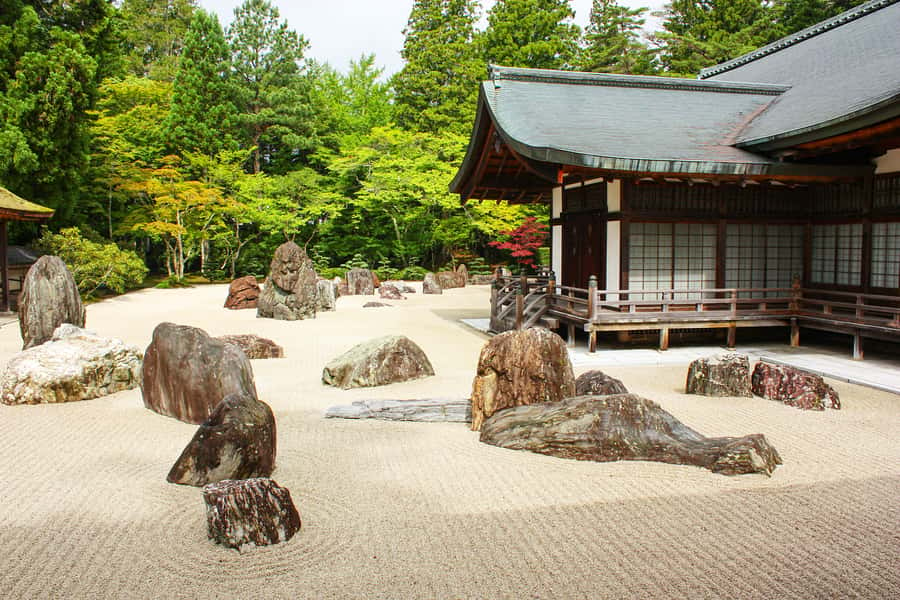
- Hotel-to-hotel convenience: pickup and drop-off from Kyoto/Osaka hotel main gates keeps the day simple.
- Major Koyasan landmarks in one pass: Daimon Gate, Danjō-garan, Reihokan Museum, and the Okuno-in area.
- A private group with car time built in: air-conditioned van, WiFi in the vehicle, and translation support.
- Optional monk-led meditation training: follow a monk for a meditation experience if you add it.
- Seasonal magic: in summer nights, you might spot fireflies and even flying squirrels.
Private ride from Osaka/Kyoto that actually saves your energy
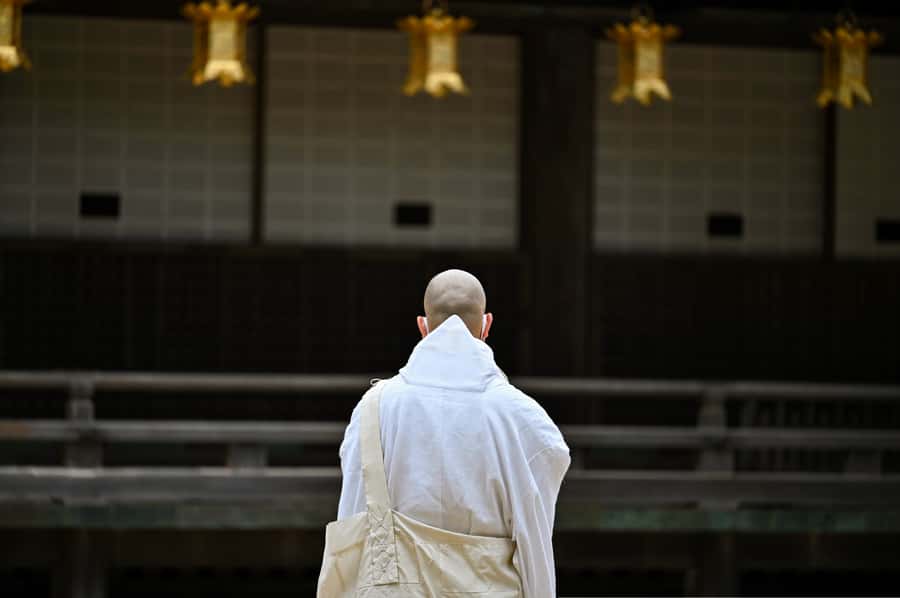
Most day trips to Koyasan start with a simple idea: you want the place, not the hassle. This one begins with hotel pickup in either Osaka or Kyoto. A professional driver meets you at your hotel main gate when the tour starts, then you’re off.
The drive takes about 2 hours, which is long enough to get comfortable, but short enough that you still have a full day for temple walking. The vehicle is air-conditioned, and you’ll also have WiFi in the car. Add in a multi-language translation app, and you’re less likely to feel stuck when you hit Japanese signage or temple rules.
Why this matters for you: Koyasan sits on Mount Kōya, so everything feels a bit more uphill and spread out than in Kyoto’s flat temple districts. Car transport reduces the mental load. You can focus on the spiritual atmosphere, the quiet, and the details like temple architecture and cemetery paths.
A practical consideration: the price is listed as $632 per group up to 5. That can feel steep until you think about what private transport costs in Japan. If you’re traveling as a group of two to five, it starts to look like good value compared with multiple one-way taxis and the cost of hiring a separate guide.
You can also read our reviews of more tours and experiences in Osaka.
Daimon Gate: the 25m vermilion entrance and its rules of reverence
Your day climbs right away to the famous Koyasan Daimon Gate. It’s a striking, vermilion gateway with a height of about 25 meters, and it’s the kind of threshold that changes your mood the moment you’re under it.
On either side, wooden guardians stand guard. That detail is more than decoration—it’s part of how sacred spaces in Japan communicate importance. You’re walking into a realm that has long been treated as a spiritual destination, not just a sightseeing stop.
One fact that makes this gate extra interesting: long ago, Koyasan was a place only open to men. After about 150 years of change, it became open to welcome every spiritual traveler, male or female. When you know that, the gate feels less like a photo spot and more like a symbol of access, ritual, and continuity.
Also note: you’ll be walking on temple grounds after arriving. The gate is not far from the start of your day’s exploration, but it sets the tone—keep your pace calm, and try not to sprint between stops.
Danjō-garan and the Reihokan Museum: where you learn what you’re seeing
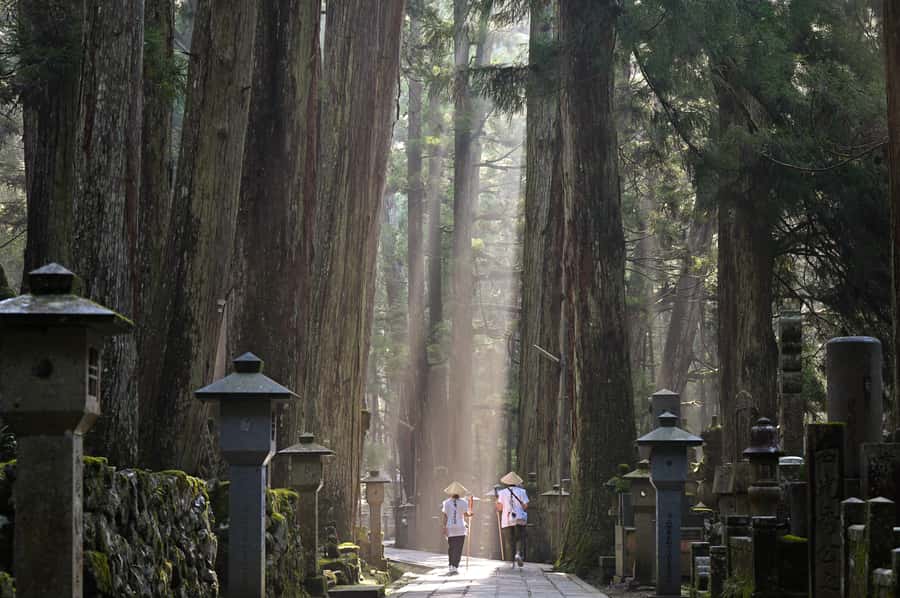
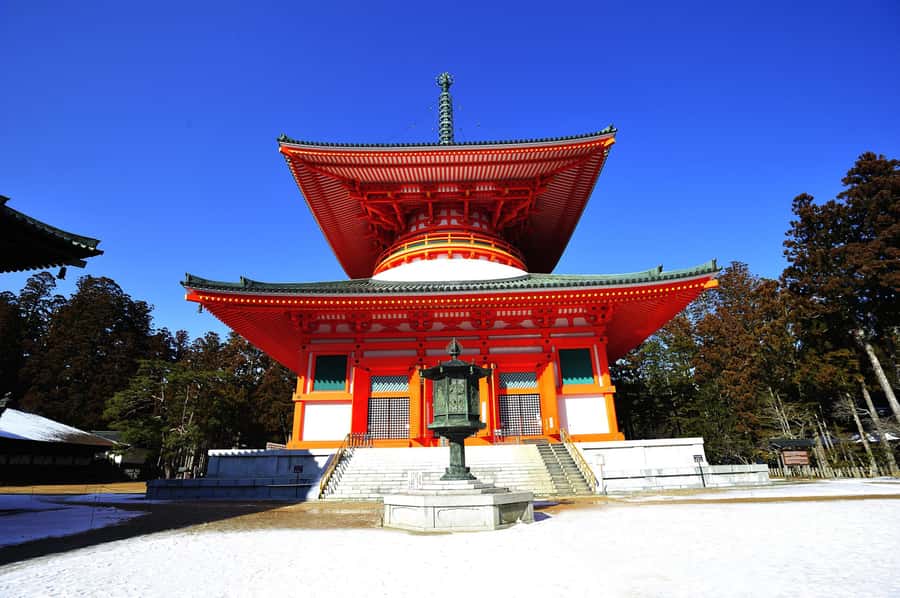
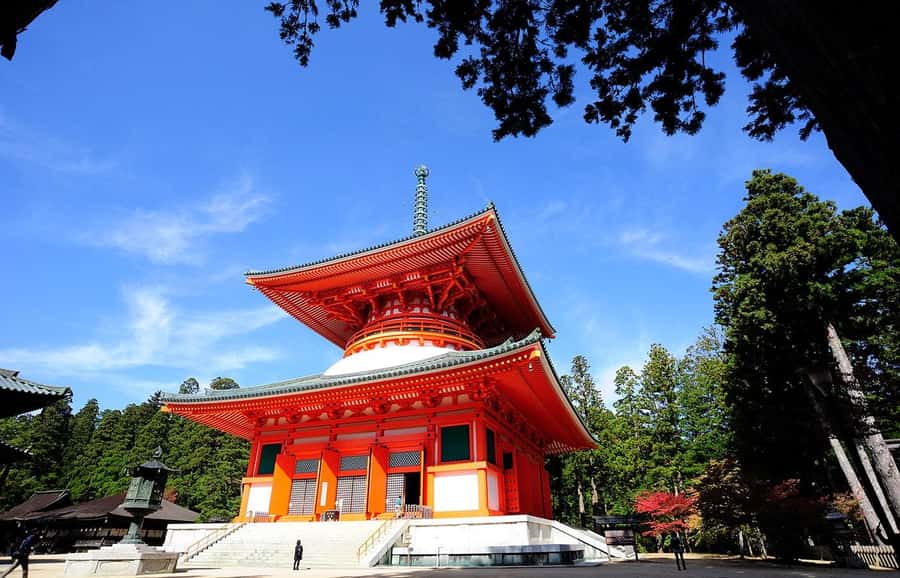
After the entrance, you move into the temple complex area, including Danjō-garan Sacred Temple on Mount Kōya. This is one of those places where the scale can surprise you. Big wooden structures, sacred precinct layout, and the sense that people have been practicing here for generations.
What you’ll likely appreciate here is context. Danjō-garan isn’t just a building you look at and leave. It’s part of how Shingon Buddhism is experienced in space—how worship happens across a sequence of meaningful sites, not just one altar.
Next comes the Koyasan Reihokan Museum. If temple sites feel emotional and atmospheric, museums help you slow down and understand what you’re looking at. You’ll see artifacts and interpretive displays connected to Koyasan’s traditions (the exact items aren’t specified here, so think of the museum as your “make it make sense” stop).
Why I think this pairing works: the morning gate moment gives you the sacred first impression, then Danjō-garan provides physical scale, and the museum helps you connect names and meanings to the visual experience.
One drawback to keep in mind: entrance fees for these places aren’t included. You’ll want a little cash or a card buffer so you’re not stuck at the ticket gate later.
Kongobu-ji and the Okuno-in area: two ways to experience the same sacred mountain
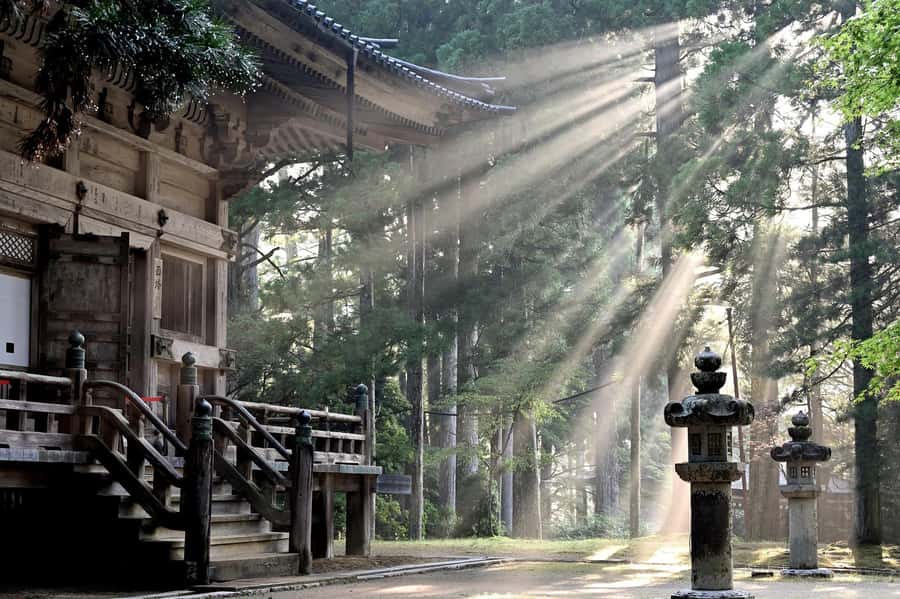
Koyasan can be approached from two main directions. You might focus on Kongobu-ji (the main temple of the Shingon sect), or you might center your attention on the Okuno-in area of Kobo Daishi (Kūkai). In a 10-hour day, the best move is to decide what you want most, then let the schedule support that.
In this tour day, you’ll visit both key temple zones, including the Okuno-in area. So even if you’re drawn more to one, you’ll still get a taste of the other.
Kongobu-ji: the big temple complex feeling
Kongobu-ji is described as the total Koyasan Shingon Sect Main Temple. Main temples tend to feel organized and “institutional” compared to smaller shrines. That can be a good thing: you can observe the structure of practice and daily life patterns in a major religious site.
Okuno-in: tomb markers, spiritual gravity, and Kobo Daishi
The Okuno-in of Kobo Daishi is where the mood becomes heavier in a good way. This is described as the resting place of countless nobles, celebrities, and great samurai. That detail matters because it shows Koyasan wasn’t only a private retreat—important historical figures came here and attached their lives and status to this sacred ground.
What you can expect in practice: the Okuno-in area is part of a cemetery landscape, meaning you’ll likely walk among tomb markers and visit areas connected to Kobo Daishi. Keep your behavior quiet and respectful. This is not the time for loud phone calls or fast photo bursts.
A small seasonal note that’s easy to miss: on summer nights, you may see fireflies even flying squirrel. If you’re going in warmer months, ask your guide what time window they think is best for that kind of nature moment.
Optional live temple meditation with a monk: worth it if you want more than sightseeing
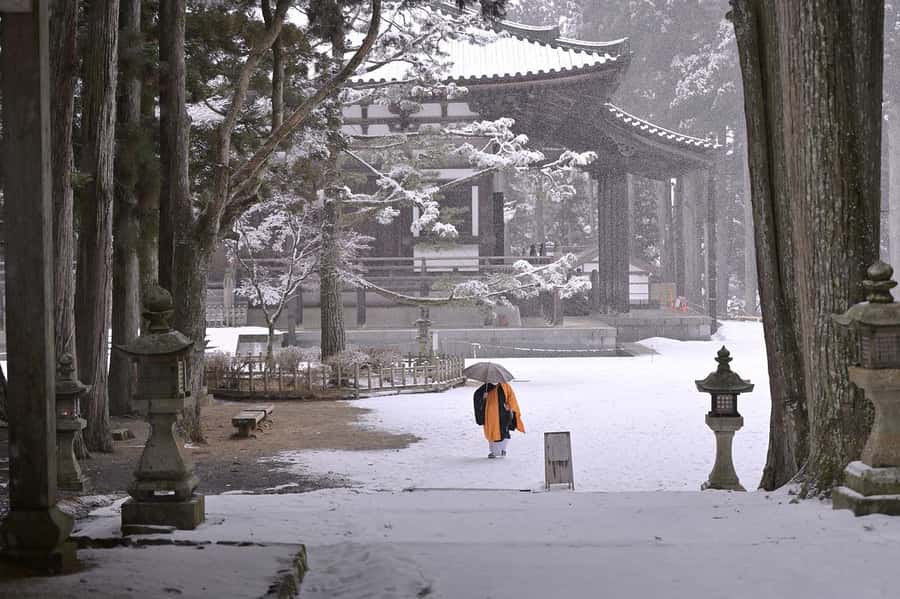
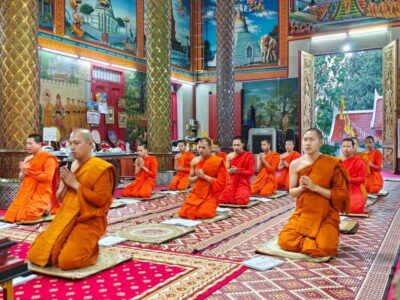
The big “choose your own depth” option here is optional meditation live experience where you follow the monk for meditation training. If you’ve ever wanted a real practice moment—rather than just watching people from a distance—this is the part that turns a sightseeing day into a personal experience.
What’s included as a concept, based on the description: you’re living in the temple setting for meditation training led by a monk. The specifics of duration aren’t listed here, so treat the add-on as something that will shape how your day feels. It can also impact your energy level, since temple etiquette can mean slower, quieter movement.
When I think you should add it:
- You want a calmer day than a list of stops.
- You’re comfortable sitting and staying still for a while.
- You like structured guidance rather than wandering alone.
When you might skip it:
- You’re tight on time and want to maximize walking and museum viewing.
- You prefer a lighter schedule and your main goal is the temple architecture and grave precinct atmosphere.
Even if you skip the meditation, the day still offers plenty: Daimon Gate, Danjō-garan, Reihokan Museum, and the Okuno-in area all provide strong Koyasan identity.
Timing that matters: how the 10 hours shape your choices
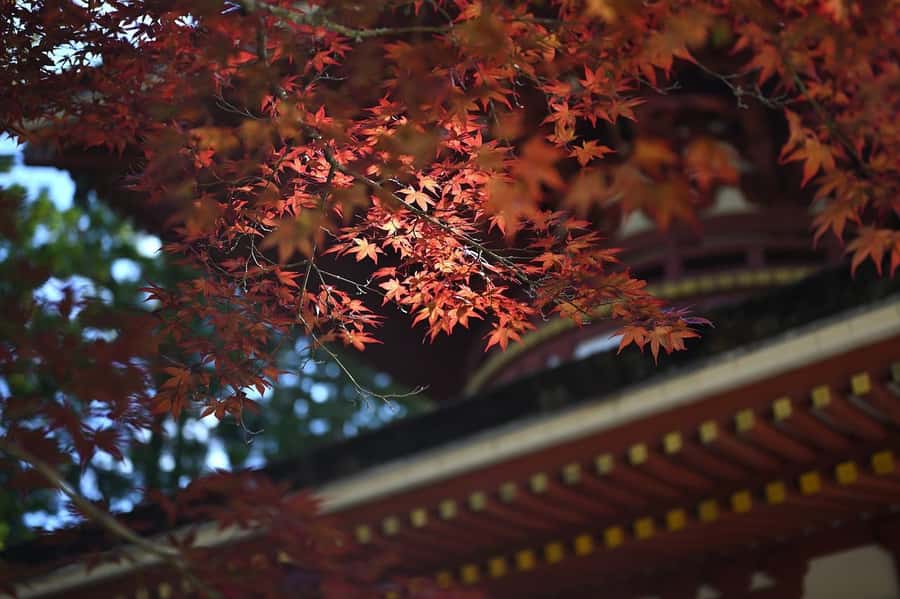
This tour runs about 10 hours total. That’s a workable length for Koyasan because you’re balancing a mountain drive with multiple stops. The trade-off is that you won’t have unlimited time at every shrine hall.
So use the schedule like a tool:
- If you care most about the atmosphere and cemetery paths, prioritize the Okuno-in time.
- If you care more about temple structure and Buddhist culture context, spend extra attention at Kongobu-ji and Danjō-garan.
- Use the museum as your knowledge anchor so you can appreciate the rest of the day with less guessing.
Also, there’s no mention of a meal stop. Food and beverages aren’t included, so plan snacks or a light lunch elsewhere. If you’re sensitive to timing, you’ll be happier if you bring water and simple snacks before you head deeper into the sacred area.
What’s included (and what you’ll pay for yourself)
This is a private group tour, and the included items make a big difference in day-trip comfort. Here’s what you get:
Included:
- Air-conditioned vehicle
- Private transportation
- WiFi in car
- Translation app (multi-language)
- Driver services for about 10 hours
- Fuel and tolls, plus parking fee
- Hotel pickup and drop-off (Osaka or Kyoto hotel main gates)
- Electronic equipment charge cable and socket
Extra notes you might care about:
- The first baby seat is free if you tell them before departure.
- The second baby seat costs 2,000 yen per child (you must tell them in advance).
Not included:
- Entrance fees
- Food and beverages
- Any optional meditation live experience (listed as optional rather than part of the included set)
If your day runs long:
- Overtime is 5,000 yen per hour (noted for 6/9 seat vehicles).
- Night service fee is 2,000 yen per hour after 21:00.
That’s the kind of cost info you should think about early. If you want a long, unhurried Koyasan day with lots of temple attention, consider whether you might hit overtime and plan accordingly.
Price and value: when $632 per group makes sense
Let’s talk value without hand-waving. The listed price is $632 per group up to 5, not per person. That’s important.
If you’re two people, you’ll feel the private-car cost more. If you’re four or five, you’re spreading it across more seats, and the day becomes a smarter deal. You’re paying for:
- door-to-door pickup and drop-off
- the drive time handled for you
- translation support via an app
- parking and tolls
- a driver for the day
You still pay for entrance fees and food, but those are normal on any temple day. The biggest value is the “you don’t have to plan the logistics” part. Koyasan is not difficult if you’re an independent planner, but it is tiring—so removing the navigation and transport burden is a real quality-of-life win.
One detail from service feedback that’s worth highlighting: at least one group reported being guided with helpful, respectful attention to preferences, with a guide named Mia and the driver coordinating well. That’s the kind of human support that matters most on a private tour—less about performing “fun,” more about keeping your time smooth.
If you want the best Koyasan day, this is the fit
This experience is a strong match if you:
- want a one-day Koyasan hit without the stress of getting there and back
- care about major temple sites like Daimon Gate, Danjō-garan, and Okuno-in
- like having translation help instead of relying entirely on your own Japanese
- might add the monk-led meditation for a deeper cultural moment
It’s less ideal if you:
- want unlimited time at every location
- prefer to handle transportation by train or bus for flexibility (this tour is set for pickup and return around evening)
- don’t want to manage entrance fees and your own meals
Should you book Kansai Holiday’s Koyasan meditation journey?
I’d book it if your goal is a calm, guided Koyasan day that handles the logistics and gives you real temple time. The private transport is the backbone, and the lineup of stops is coherent: gate arrival, major temple precincts, a museum stop for context, then Okuno-in for the emotional core.
You should think twice if you’re expecting everything to be fully covered, since entrance fees and food aren’t included. You also need to be realistic about time: 10 hours is generous, but Koyasan is a place where you can easily spend more.
If you’re going for both spirituality and practical comfort, this is one of the more sensible ways to do it from Osaka or Kyoto—especially if your group size makes the per-person cost feel reasonable.
FAQ
Where does pickup happen for this Koyasan tour?
Pickup is included from Osaka or Kyoto hotels. The driver picks you up at the main gate of your hotel when the tour starts. Drop-off is also back in Osaka or Kyoto.
How long is the Koyasan experience?
The total duration is about 10 hours. Starting times depend on availability, and the service can be extended with an additional charge.
Is entrance to temples and museums included?
No. Entrance fees are not included in the tour price.
Is food included during the day?
No. Food and beverages are not included.
Is the meditation experience included?
Meditation is described as optional. The main listed inclusions cover transportation and the 10-hour service, while the optional meditation live training would be an add-on if you choose it.
What languages are available for the driver?
The driver provides services in Chinese, English, and Japanese. The driver speaks basic English for service, and if you need an expert guide, you would need to purchase that separately.
Are there extra charges if the tour runs late?
Yes. Overtime costs 5,000 yen per hour, and there is a night service fee of 2,000 yen per hour after 21:00.