REVIEW · OSAKA
Koyasan: A Mysterious Meditation Journey
Book on GetYourGuide →Operated by Kansai Holiday · Bookable on GetYourGuide
A mountain shrine day feels like time travel. Koyasan is a UNESCO-listed Buddhist center with over 1,200 years of practice, and I love how the visit lets you feel Kongobu-ji in person and also slow down at Okuno-in. The main practical catch is simple: entrance fees and food aren’t included, so you’ll budget a bit on your own.
What makes this one workable is the door-to-door setup. You get private transportation, WiFi in the car, and a multi-language translation app, which makes it easier to focus on the temples instead of sorting out logistics. If you’re the type who enjoys a relaxed pace, the 10-hour service window gives you room to choose what you want to prioritize.
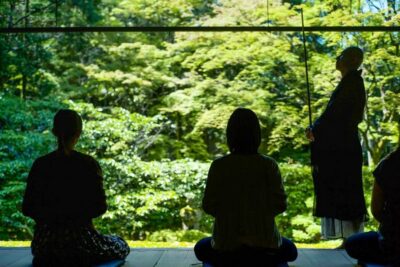
Finally, there’s an optional add-on that changes the tone of the day: live meditation training with a monk, and even the chance to stay in the temple for longer meditation. If you want that spiritual training feeling, plan for the extra commitment when you choose your route.
In This Review
- Key points to know before you go
- Why Koyasan feels different from other temple stops
- How the Osaka/Kyoto pickup keeps your day stress-free
- Entering through the Daimon Gate: your first “this is serious” moment
- Choosing your route: Kongobu-ji or Okuno-in (then you add Danjo Garan)
- Kongobu-ji as your main temple focus
- Okuno-in as your historical and spiritual anchor
- The bonus stops that make your day feel complete
- Kongobu-ji Temple: what to look for in Shingon headquarters energy
- Okuno-in and Kobo Daishi: the graveyard-pilgrimage feeling done right
- Danjo Garan Sacred Temple and the Koyasan Reihokan Museum: context beats guesswork
- Optional monk-led meditation: what the live temple training changes
- Price and value: what $539 per group actually buys you
- Transportation, timing, and the details that matter
- Who this tour is best for (and who should skip it)
- Should you book this Koyasan meditation day trip?
- FAQ
- What towns are pickup and drop-off from?
- How long is the total tour time?
- Is transportation included?
- What language help is available?
- Are entrance fees included?
- Is meditation part of the tour?
- Are meals included?
- Is there a cancellation window?
- Do I need to book at least 24 hours ahead?
Key points to know before you go
- 25m Daimon Gate entrance gives you an instant sense of arriving inside a sacred world
- Pick your main temple focus between Kongobu-ji or Okuno-in, then shape the rest of your day
- Okuno-in connects directly to Kobo Daishi and to the resting place of important historical figures
- Danjo Garan + Koyasan Reihokan Museum add architecture and artifacts context, not just scenery
- Optional live meditation with a monk turns the trip from sightseeing into training
- Door-to-door private car from Osaka or Kyoto keeps the day calm and on schedule
Why Koyasan feels different from other temple stops
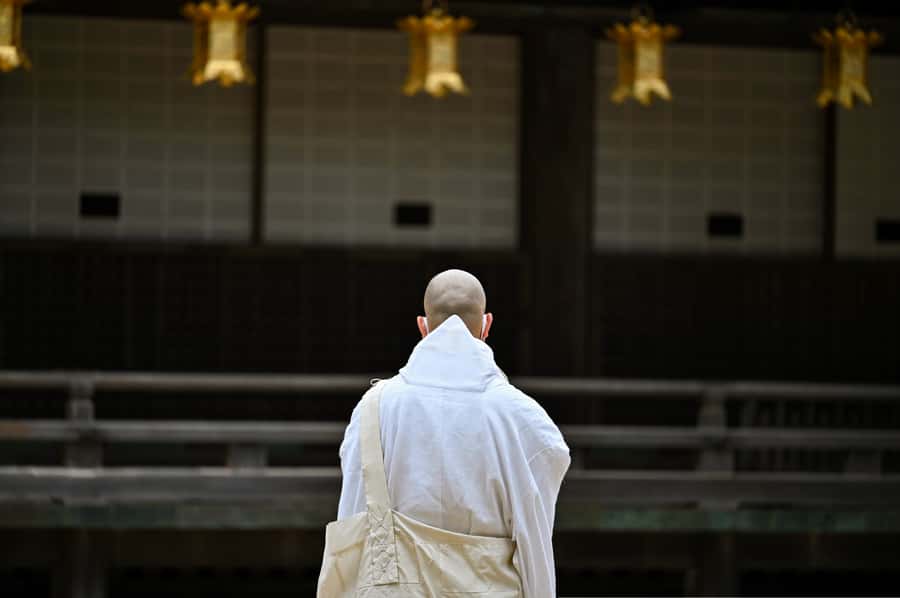
Koyasan isn’t just “a temple you visit.” It’s an active Buddhist center, built around daily rituals and long-term practice. That matters because you’re not only looking at history—you’re stepping into a living system of worship.
You’ll also notice the physical tone of the place. The drive up and the time spent walking between temple zones gives you a gradual shift in pace. In Koyasan, that slow tempo is the point, and it helps you understand why so many people treat it like a pilgrimage.
You can also read our reviews of more tours and experiences in Osaka.
How the Osaka/Kyoto pickup keeps your day stress-free
This tour is built around a straightforward rhythm: morning pickup from your hotel, then a roughly 2-hour drive to Koyasan. That means you don’t have to wrestle with trains, timing, or transfers while you’re already mentally preparing for a temple day.
You’re traveling in a private, air-conditioned vehicle with WiFi, plus electrical charging connections in the car. There’s also a multi-language translation app, which is useful because temple sites can be full of signage and details that go beyond the basics.
One more practical note: the driver’s English is described as basic. If you want more hands-on explanation beyond what translation can handle, you’ll want to consider the expert guide option at booking (if it’s available to you).
Entering through the Daimon Gate: your first “this is serious” moment
Koyasan’s Daimon Gate is the kind of entrance that resets your expectations. You go through a vermilion gate that’s about 25 meters high, flanked by wooden guardian figures. Even if you’re not into architectural details, the scale makes the place feel ceremonial before you even start sightseeing.
Inside, the atmosphere changes fast. The gate isn’t just decoration; it frames your day and tells you you’ve crossed into a different kind of time. That’s why many people remember Koyasan as more than a checklist of temples.
Choosing your route: Kongobu-ji or Okuno-in (then you add Danjo Garan)
Once you’re there, you can shape your day. The tour is designed around you choosing among key areas rather than being forced through a single script.
Kongobu-ji as your main temple focus
If you lean toward big, central temple culture, Kongobu-ji is a great choice. It’s described as the main temple of the Koyasan Shingon sect, so it’s the “headquarters” feeling: structured, formal, and deeply tied to the Shingon tradition.
In a practical sense, it also works well if you want a broader sense of Buddhist life without only focusing on grave landscapes. You get temple culture plus sacred spaces that help you understand the Shingon setting.
Okuno-in as your historical and spiritual anchor
If you want the pilgrimage vibe, choose Okuno-in, the sacred area associated with Kobo Daishi (Kukai). This is where countless nobles, celebrities, and major samurai are described as resting—so you’re walking through a place that feels historical in a direct, physical way.
The tour specifically flags Okuno-in as a powerful stop, and it tends to be the one where your brain slows down. The mix of reverence, memorial atmosphere, and the sheer sense of continuity gives many visitors a lasting impression.
The bonus stops that make your day feel complete
After you choose your main focus, you can also include two other highlights:
- Danjo Garan Sacred Temple for major temple grounds and the “big picture” feel of sacred architecture
- Koyasan Reihokan Museum for cultural context, artifacts, and interpretation that can make what you saw outdoors click better
This flexibility is a real value. With temple touring, the wrong rigid schedule can turn meaningful stops into rushed photos. Here, you’re meant to pace yourself.
Kongobu-ji Temple: what to look for in Shingon headquarters energy
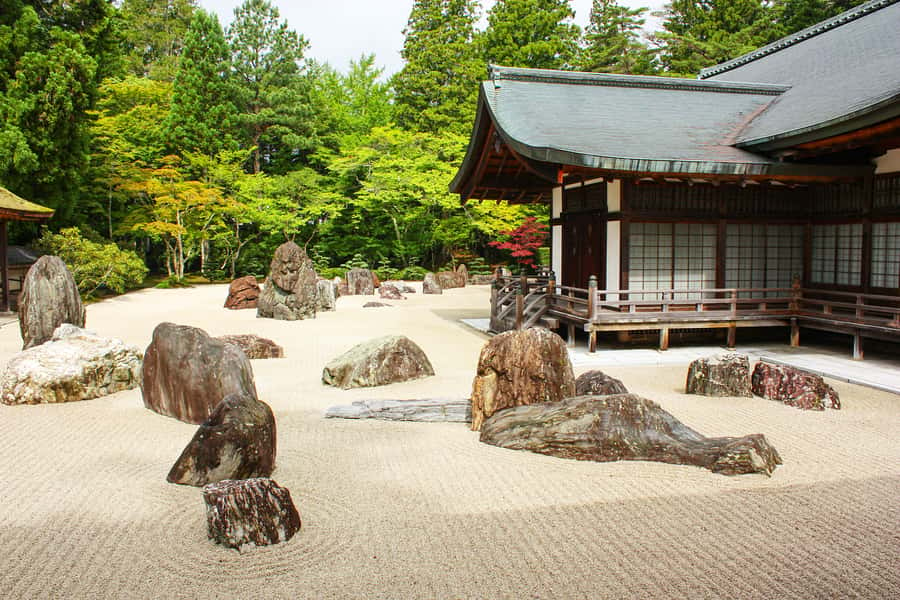
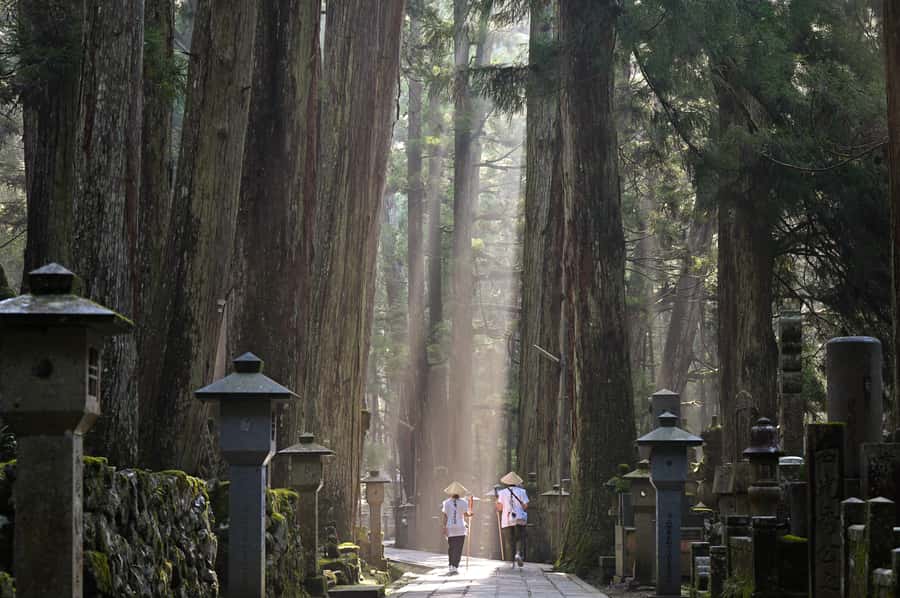
When people talk about Koyasan as unique, they often point to the overall decor: the scale of buildings, the sense of ritual space, and the natural materials around you. One review highlighted the presence of large cedar trees and tombstone scenery that looks different from other parts of Japan. Even if your day emphasizes a different zone, that texture is part of Kongobu-ji’s wider setting too.
At Kongobu-ji, I think it helps to take a slow approach. Instead of treating it like a quick walk-through, pause to notice how the temple grounds feel organized—how you move from one sacred area to another, and how the spaces look designed for worship, not crowds.
If you’re someone who likes understanding a tradition through the “main” center, Kongobu-ji is the smart anchor. It’s also a good fit if you want to keep the day from becoming too emotionally heavy. You still get sacred atmosphere, but the tone is more formal and institutional.
Okuno-in and Kobo Daishi: the graveyard-pilgrimage feeling done right
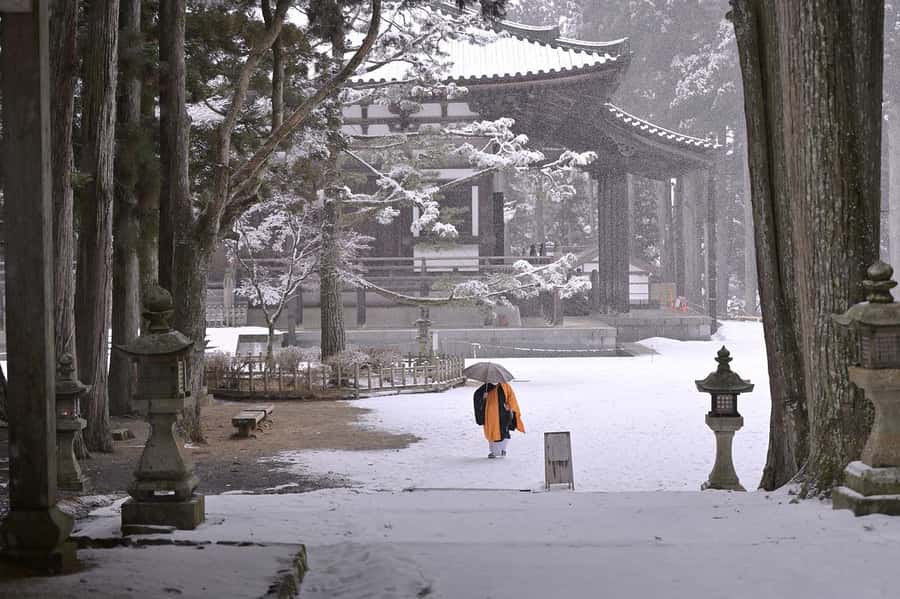
Okuno-in is one of those places where the setting does most of the teaching. The tour frames it around Kobo Daishi (Kukai), with important historical figures said to be among those resting there. That gives you an immediate connection to how Buddhism, politics, and culture intertwined in medieval Japan.
What makes Okuno-in especially memorable is how the landscape changes the way you walk. You’re not just passing objects; you’re moving through a sacred memorial world. In that kind of space, even basic attention—quiet steps, slower breathing—adds up.
The tour also mentions seasonal nature moments. On summer nights, you can see fireflies, and even flying squirrel. That kind of detail is exactly why people don’t forget Koyasan. If your visit overlaps warm season evenings, it’s worth keeping your eyes open and not rushing back to the car too quickly when you still want to absorb the atmosphere.
Danjo Garan Sacred Temple and the Koyasan Reihokan Museum: context beats guesswork
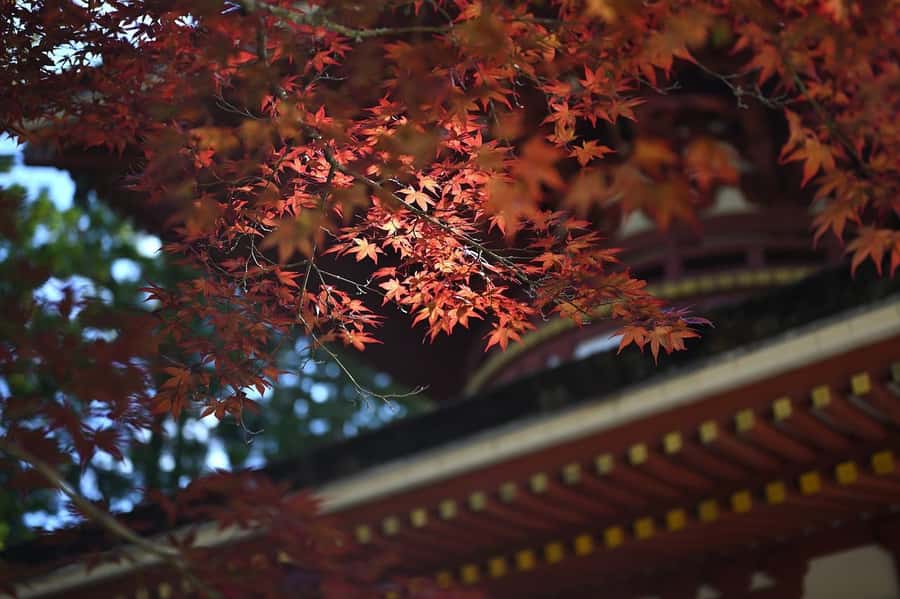
If you only do temples outdoors, you can leave with beautiful photos and vague impressions. Adding Danjo Garan and Koyasan Reihokan Museum helps you connect the dots.
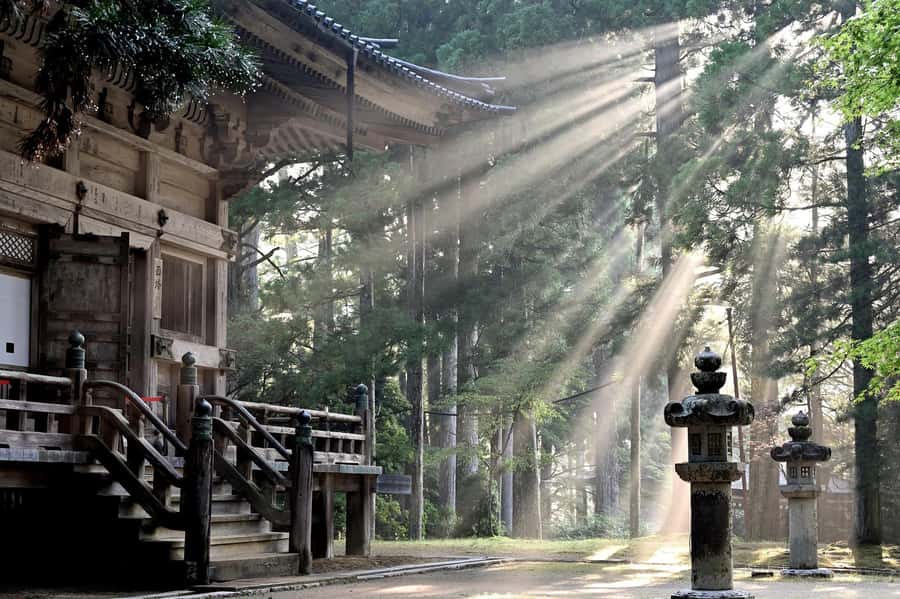
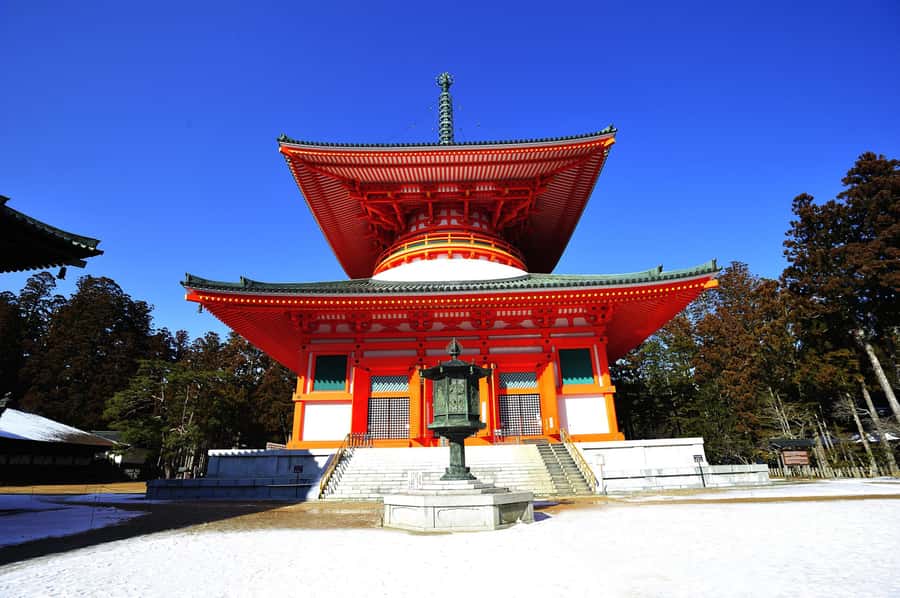
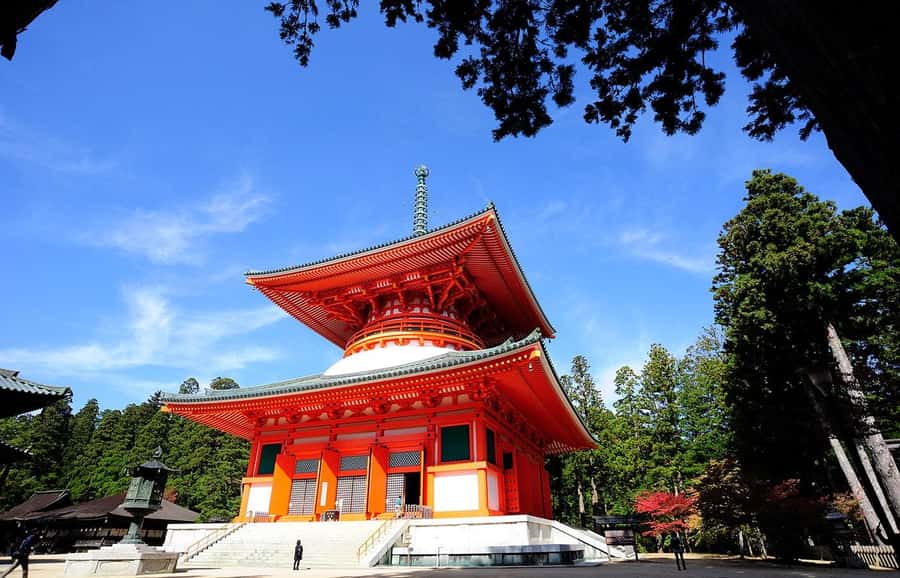
Danjo Garan is described as a sacred temple spot, and in practice it gives you the big architectural view. It’s the kind of place where you start seeing how Koyasan’s sacred layout supports long-term worship.
Then the museum helps fill in what you might not fully decode on-site. A museum stop is especially useful in Japan, where religious symbolism can be layered. Here, it’s positioned as an optional great spot, but I’d treat it as a strong “yes” if you care about meaning, not just aesthetics.
Optional monk-led meditation: what the live temple training changes
Here’s the difference-maker option: the tour includes an optional live meditation experience. The description says you can live in the temple and follow the monk to do the meditation training.
That matters because meditation in a tourist-style setting often feels like a performance. In contrast, a monk-led training inside a temple setting shifts the tone. Even if you’re a first-timer, you’re participating in something structured and guided.
If you’re considering this, set your expectations around rhythm and guidance. Meditation training is not just sitting quietly. It’s follow-the-instructions practice, and you’ll get more value if you arrive with a calm mindset and a willingness to try.
Also, think about timing. Your total service is 10 hours, so adding a live training experience can shape how much time you have for each temple zone. The tour is designed not to rush, but you should still plan your priorities ahead of time.
One review specifically praised guides and drivers as helpful and respectful to preferences. In at least one case, a guide named Mia was mentioned as attentive and respectful, which fits the kind of care you want when you’re doing something more personal like meditation.
Price and value: what $539 per group actually buys you
The price is listed as $539 per group up to 5. That’s a key point: you’re not paying per person, you’re paying for the private setup. If you’re traveling with a couple or a small family/friends group, the value is much stronger than it looks at first glance.
What’s included makes that group-price more reasonable:
- Hotel pickup and drop-off
- Private transportation in an air-conditioned vehicle
- WiFi in the car
- Translation app support
- Fuel and tolls and parking fee
- Electronic charging cable/socket in the vehicle
- Multi-language translation app
- A total of 10 hours of services (extendable with an additional charge)
What you should budget separately:
- Entrance fees
- Food and beverages
So the value equation is this: you’re paying to buy time and comfort. Temple days can be exhausting if you’re navigating transit, changing plans, and losing time to logistics. Here, you’re paying for a driver-managed route plus a guide-and-translation layer that keeps you moving through the sites with less friction.
If you’d rather control everything yourself, a DIY day trip can be cheaper. But if you want the spiritual tone of Koyasan without the stress of getting there, this private format tends to feel like a fair trade.
Transportation, timing, and the details that matter
This isn’t a “grab-and-go” outing. It’s a full-day commitment with a clear structure: pickup in the morning, drive up to Koyasan, then temple stops with choices, and a return to your hotel in the evening.
Two practical details from the tour info are worth noting:
- Service time is 10 hours total, with extension possible for an added fee if you need more time.
- If you add anything that pushes past normal timing, there are overtime and night service fees described.
Also check the small comfort items. The tour includes charging connections in the car, and there’s mention of a baby seat option (first baby seat free if you notify before departure; additional baby seat costs extra). If you’re traveling with kids, that can matter more than you’d think.
Who this tour is best for (and who should skip it)
This tour makes the most sense if you want:
- A private day trip with a comfortable car and less logistical work
- Clear priorities among major Koyasan temple zones
- The option for a more meaningful add-on like monk-led meditation
It’s also a good fit if you don’t want to spend mental energy translating religious sites and interpreting layout. The translation app helps bridge that gap.
You might want to skip or go DIY if you’re the type who loves wandering without structure, and you already know the transit route and temple entrance patterns well. Also, if you have strict timing constraints due to the 10-hour service window, you’ll want to choose your stops carefully or consider extension options.
Should you book this Koyasan meditation day trip?
I’d book this when you want Koyasan’s sacred feel, but you also want the day to run smoothly. The private transfer from Osaka/Kyoto, the choice between Kongobu-ji and Okuno-in, and the option for monk-led meditation are the big wins.
I’d think twice if you’re trying to keep costs ultra-low, because entrance fees and food aren’t included. And if meditation isn’t on your priority list, the tour still works for temples and museum time, but you’ll want to make sure you spend enough hours on the stops that match your interests.
If you’re going with up to five people and you value comfort plus a guided, calm pacing, this is a strong value way to experience one of Japan’s most distinctive Buddhist pilgrimage worlds.
FAQ
What towns are pickup and drop-off from?
The tour departs from Osaka or Kyoto, with hotel pickup and drop-off included.
How long is the total tour time?
The total service is 10 hours, with the option to extend for an additional charge.
Is transportation included?
Yes. You get private transportation in an air-conditioned vehicle, plus fuel, tolls, and parking fees are included.
What language help is available?
The tour uses a multi-language translation app, and languages listed are Chinese, English, and Japanese. The driver speaks basic English, and an expert guide option is available to purchase if you want.
Are entrance fees included?
No. Entrance fees are not included.
Is meditation part of the tour?
Meditation is optional. You can choose an optional live meditation experience and follow a monk for training, with an option to stay in the temple for longer meditation.
Are meals included?
No. Food and beverages are not included.
Is there a cancellation window?
Yes. You can cancel up to 24 hours in advance for a full refund.
Do I need to book at least 24 hours ahead?
Yes. Orders must be booked at least 24 hours before the activity start time, or the order may be canceled.