REVIEW · KYOTO
Kyoto: Calligraphy Workshop with Meditation
Book on GetYourGuide →Operated by Gojo Paradiso · Bookable on GetYourGuide
Kyoto gets quiet when you pick up the brush. In Gojo, in a historic townhouse along the Takase River, you learn Japanese calligraphy in a setting that makes you slow down on purpose. I like how the experience leans into the idea that each stroke shows what’s happening inside you, not just how well you can copy letters.
Two things I really love: the brief meditation at the start that helps you focus before ink hits paper, and the chance to leave with take-home artwork you made from your own chosen character. One consideration: this isn’t a fast walk-and-photo activity. It’s hands-on, and the calm pace matters, so plan to be present rather than rushing to the next stop.
In This Review
- Key highlights to know before you go
- A quiet Kyoto setting in Gojo, steps from the river
- The meditation that actually changes the way you write
- Posture, grip, and stroke basics you can learn fast
- Choosing a character that lets you express yourself
- Finishing on colored paper or a postcard keepsake
- What’s included (and why that matters for value)
- Where this workshop fits in your Kyoto day
- Who should book this Kyoto calligraphy class
- Should you book this calligraphy workshop?
- FAQ
- Where does the workshop start?
- How much does it cost?
- What does the workshop include?
- Do I need to know calligraphy before I go?
- Is there meditation in the class?
- What language is instruction available in?
- What do I take home?
- Do I need to reserve ahead of time?
- What is the cancellation policy?
Key highlights to know before you go
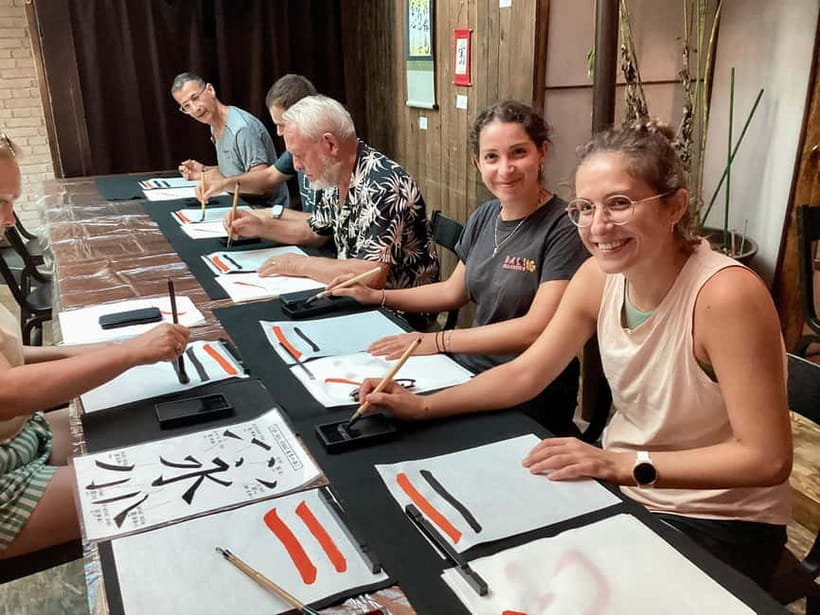
- Historic Gojo townhouse by the Takase River for a more traditional feel than a studio room
- Meditation first, designed to improve concentration before you write
- Clear technique coaching on posture, grip, and brush basics
- You choose a character from sample letters to practice and express
- Finish on colored paper or a postcard, so your souvenir feels personal
A quiet Kyoto setting in Gojo, steps from the river
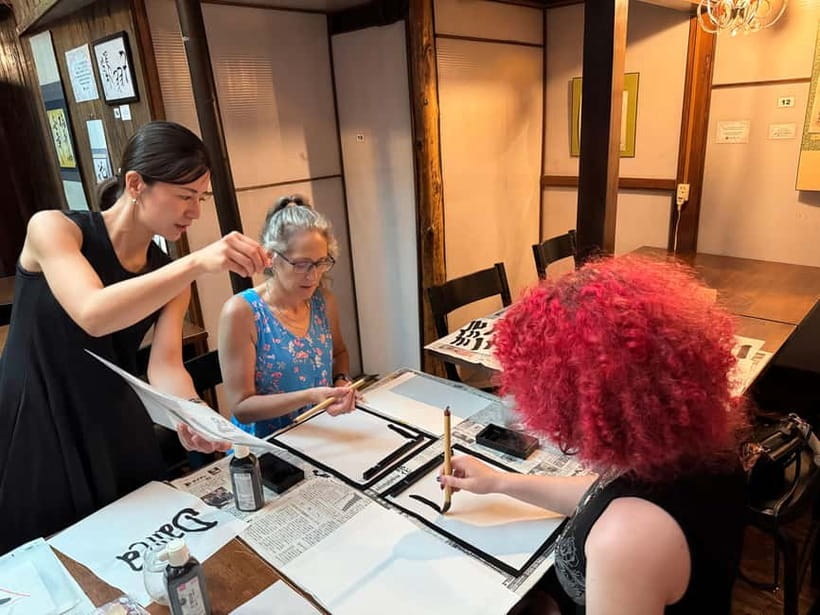
Gojo is a smart base for Kyoto’s classic vibe, and this workshop sits right along the Takase River on Kiyamachi Street. The meeting point is Gojo Paradiso, about a 5-minute walk from Keihan Kiyomizu Gojo Station and a 10-minute walk from Keihan Shichijo Station. There’s also a stated distance of 386 meters from Kiyomizu Gojo Station, which is handy if you like counting steps before you leave the station.
What I find great about this location is the kind of atmosphere you can feel right away. Calligraphy works best when you’re not bouncing between crowds and traffic. Instead, you’re in a traditional space where the whole point is to practice carefully—eyes, hands, breath, and all.
If you’re the type who likes Kyoto for the details (materials, motions, little rituals), you’ll appreciate the setup. If you’re only chasing headline temples, this may feel too “calm” at first. But calm is the whole ingredient here.
You can also read our reviews of more tours and experiences in Kyoto.
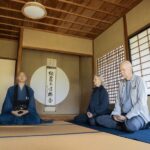
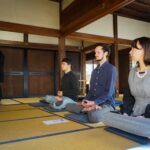
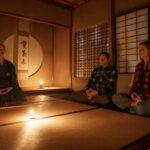
The meditation that actually changes the way you write
The workshop starts with a meditation session before calligraphy begins. Your instructor is certified in yoga and pilates, and that shows in the way the session is framed: it’s not spiritual theater. It’s practical focus-building so your attention lands where it should—on posture, breath, and steady movement.
In plain terms, meditation helps you slow down enough to notice your body. You get a moment to reflect before you start making marks. That matters because calligraphy isn’t just shape; it’s timing. If your hand is tense, your strokes usually look tense too.
From the experience description and the feedback, the meditation seems to do two jobs:
- Relax you so you don’t rush the writing
- Sharpen your concentration so you can follow technique cues and improve quickly
If you’ve ever started writing and thought, Why does my hand do that?—this is the fix. You’re training focus before the ink phase.
Posture, grip, and stroke basics you can learn fast
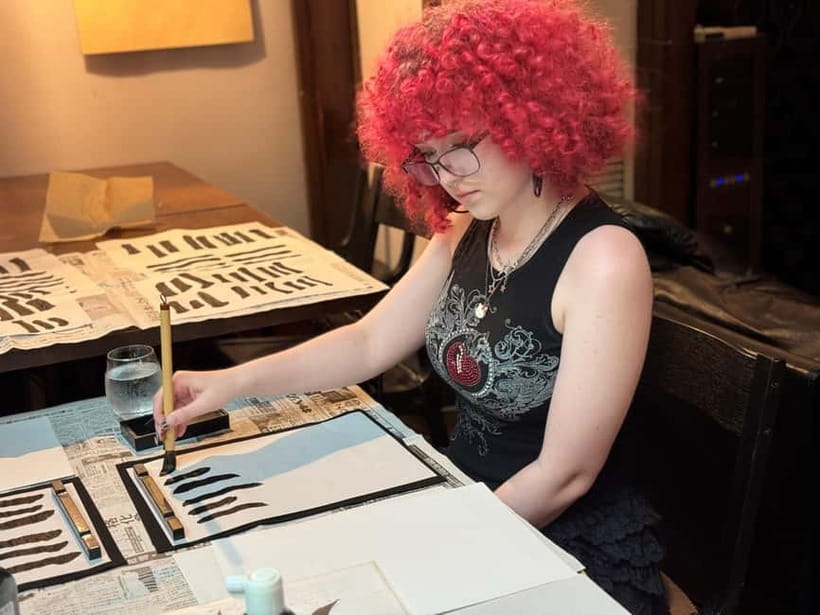
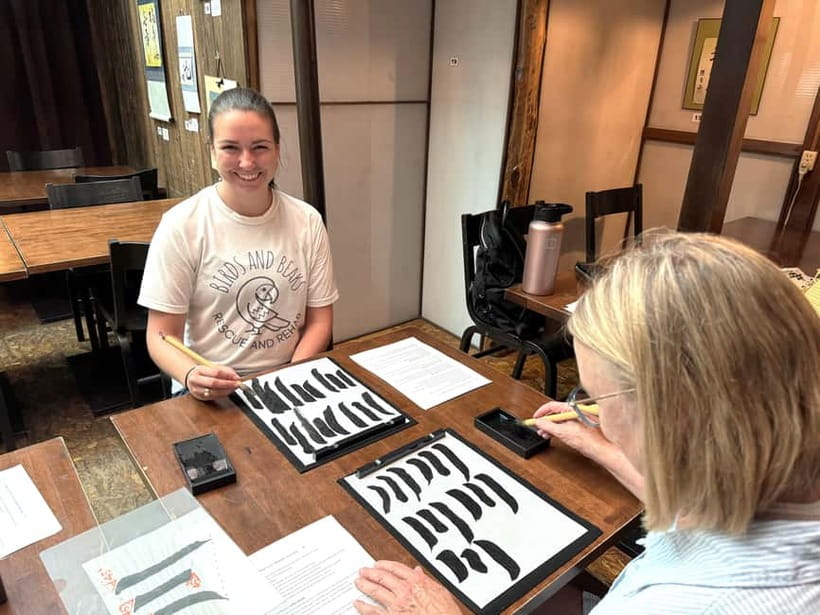
After meditation, the lesson moves into the fundamentals. You’ll work on posture, grip, and basic brush techniques. This is the section beginners often worry about, but the way it’s described makes it clear the goal is to get you writing comfortably, even if it’s your first attempt.
You’ll practice simple strokes first. That’s smart teaching. If you try to jump straight to a full character, you usually end up fighting the brush the whole time. With stroke practice, you learn how the brush responds—where pressure matters, how direction affects the result, and how to keep your line from looking jittery.
A key theme in the workshop’s approach is self-awareness. The lesson leans on the saying that calligraphy reflects the person. That’s not just poetry. It’s instruction-by-expectation: the marks you make are tied to your moment-to-moment mindset. So you’re guided to notice what your strokes look like when you feel calm, and how they change when you feel impatient.
If you want a relaxing activity that still feels like progress, this part delivers.
Choosing a character that lets you express yourself
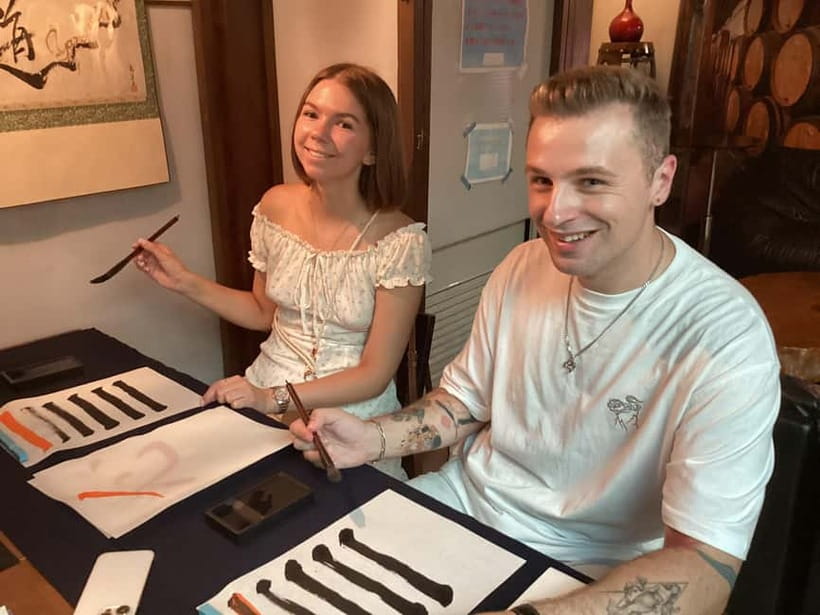
Here’s where it gets personal. After practicing the basics, you choose a character from sample letters to practice. You’re not stuck copying an identical worksheet. You’re meant to pick something that matches how you want to express yourself right now.
Then you practice that character and work toward a final version. The workshop encourages you to write with intention: you’ll be reflecting on your current emotions and putting them into written form.
This is also where the instructor guidance matters. Reviews highlight that the teaching is enthusiastic and the instructions are clear. People specifically say the instructor helps you perfect technique so the result feels like yours—not a generic souvenir.
You don’t need calligraphy experience to enjoy it. The workshop explicitly welcomes both beginners and people with some familiarity. If you’re experienced, you’ll likely appreciate the structured focus on technique and the calm pacing. If you’re brand-new, you’ll likely like that you’re not thrown into complexity right away.
Finishing on colored paper or a postcard keepsake
The workshop ends with a final piece you can take home. You’ll finalize your work on colored paper or a postcard, depending on what you choose. That’s a great detail for two reasons.
First, it makes the “souvenir” feel intentional. A plain scroll is nice, but a postcard is practical. You get something you can display, gift, or even mail.
Second, a final format encourages commitment. You stop treating it like practice and start treating it like your finished artwork. That change in mindset often helps beginners. Suddenly, you’re not just learning strokes—you’re producing something.
By the end, you should feel refreshed. The workshop’s goal isn’t to make you an expert. It’s to give you a calm, satisfying creative moment that carries a little meaning when you pack your bag.

What’s included (and why that matters for value)
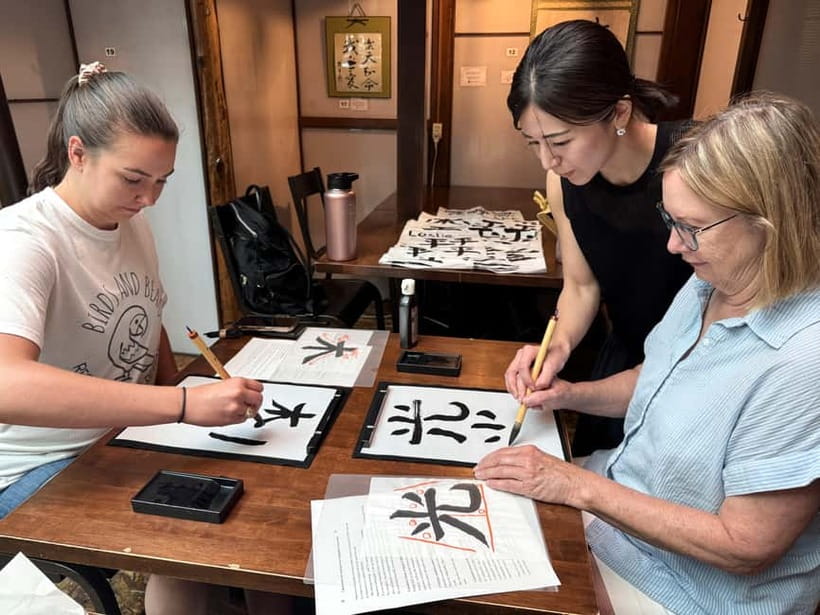
The cost is $47 per person, and what’s included makes that price feel more reasonable than many “experiences” that only provide a basic activity and then sell add-ons.
You get:
- An expert calligraphy artist
- Calligraphy supplies to use during the class
Supplies are a big deal here. Ink brush tools can be finicky, and buying the right materials in Kyoto (at the wrong time, from the wrong place) can turn a fun workshop into an expense you didn’t plan. Here, you show up and use what you need.
Also, instruction from a professional tends to reduce frustration. If you’ve ever done a DIY craft and then wondered why the result isn’t working, you’ll see the benefit of being coached through posture, grip, and technique before you write your final piece.
So the value isn’t just the activity. It’s the combination of teaching + materials + a structured, calming process that ends with something you keep.
Where this workshop fits in your Kyoto day
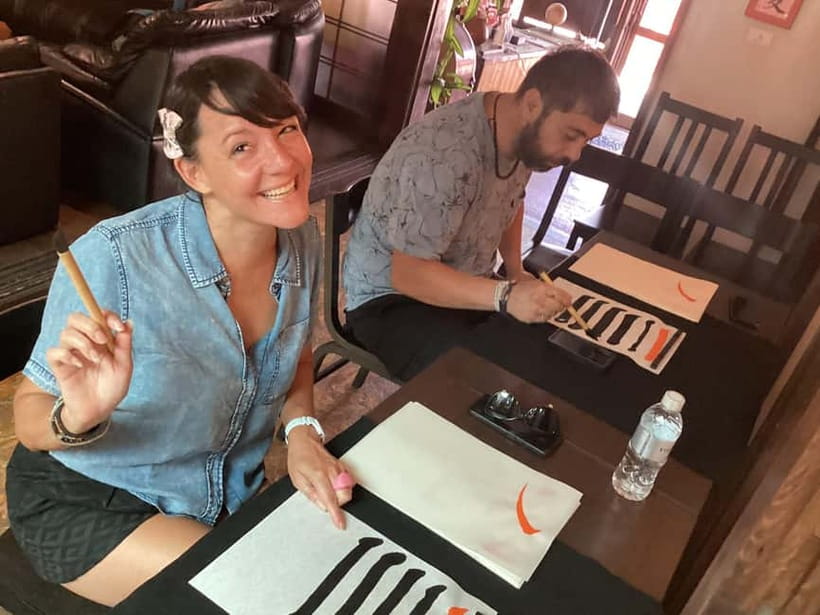
Because this is a hands-on session built around writing and reflection, it works best when you don’t schedule it back-to-back with too many “must see” stops. Plan to treat it like a reset.
If your Kyoto plan is heavy on shrines and long temple walks, this calligraphy workshop gives you a different kind of cultural experience. You’re learning a skill rooted in Japan’s aesthetics, but through your own hands rather than watching from a distance.
If you’re traveling with someone who doesn’t love crafts, this still has a good chance of landing, because the meditation and the calm environment make it feel thoughtful rather than just technical. The lesson also supports different skill levels, so you won’t feel like you’re behind.
Best fit:
- First-timers who want a meaningful Kyoto activity beyond sightseeing
- People who enjoy slow, skill-based experiences
- Anyone who likes Japanese culture through everyday arts
Less ideal if:
- You only want street-level wandering and photos all day
- You’re looking for a high-energy performance rather than quiet practice
Who should book this Kyoto calligraphy class
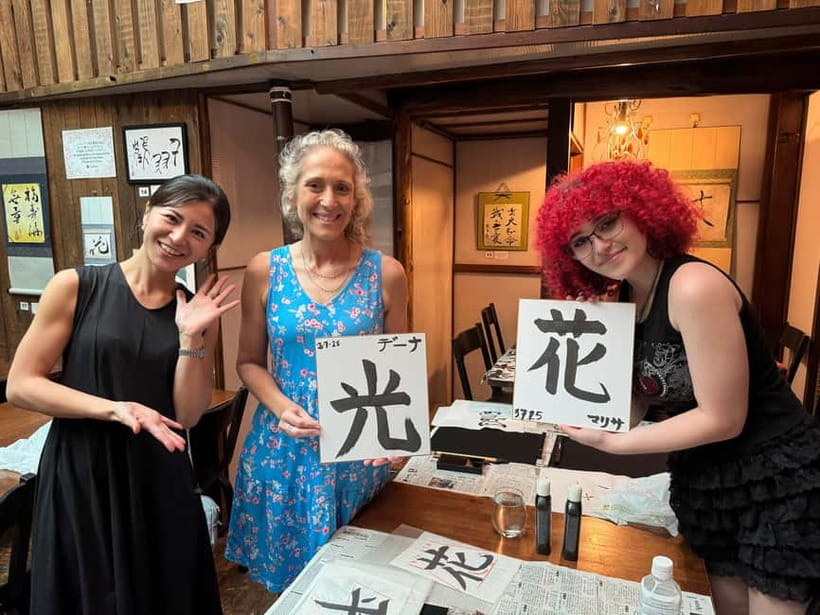
This workshop is designed for a wide range of people. The key is mindset: you don’t need artistic talent. You need patience and a willingness to be coached.
I’d especially recommend it to:
- Beginners: the lesson starts with introduction and easy strokes, then moves to your chosen character
- Couples or parent-child pairs: because the experience is calm and structured, and the outcome is a souvenir you can share
- People who like intentional activities: the meditation makes it feel more than a craft class
On the other hand, if you’re traveling with very young kids, note that children must be accompanied by a parent or guardian. That’s not unusual for workshops, but it’s worth planning for ahead of time.
The language support is also helpful. Instruction is available in English and Japanese, which matters if you want to understand technique cues without guessing.
Should you book this calligraphy workshop?
I think this is a solid choice if you want a Kyoto experience that’s quiet, hands-on, and culturally grounded. The big strengths are the meditation start, the guided technique (posture, grip, and brush basics), and the fact that you leave with your own completed artwork on colored paper or a postcard.
If you like experiences that create a lasting memory you can hold, not just photos you scroll past later, book it. If you’re in a hurry and want a quick hit between train transfers, this may feel too slow. Otherwise, this is one of those rare activities where calm actually pays off in the final result.
FAQ
Where does the workshop start?
It starts at Gojo Paradiso on Kiyamachi Street along the Takase River in Gojo, Kyoto. It’s listed as about a 5-minute walk from Keihan Kiyomizu Gojo Station and about a 10-minute walk from Keihan Shichijo Station.
How much does it cost?
The price is $47 per person.
What does the workshop include?
You get instruction from an expert calligraphy artist and you use calligraphy supplies during the class. The workshop covers an introduction to calligraphy, meditation, posture and grip basics, practice strokes, choosing a character, and finishing your piece.
Do I need to know calligraphy before I go?
No. The workshop is welcoming for both beginners and people with some experience.
Is there meditation in the class?
Yes. A short meditation session happens at the start of the workshop to reflect and enhance focus before writing.
What language is instruction available in?
Instruction is available in English and Japanese.
What do I take home?
You’ll finalize your piece on colored paper or a postcard, and that completed artwork is yours to take home as a souvenir.
Do I need to reserve ahead of time?
Yes. Reservation is required at least 1 day before your desired experience date.
What is the cancellation policy?
You can cancel up to 24 hours in advance for a full refund.