REVIEW · GZIRA
Malta: Private Yoga class close the Sea
Book on GetYourGuide →Operated by Myoga.by.Marty · Bookable on GetYourGuide
A sea view is a pretty good warm-up. This private Vinyasa class at Fort Manoel pairs one-on-one coaching with the sound of the waves for a calm, grounded practice. You start on fortress grounds, move your mat near the coast, and let the horizon do part of the work.
I especially love two things: the hands-on adjustments that help you find safer alignment, and the thoughtful pacing that blends breathwork with fluid movement. One consideration: this is outdoor yoga, so you’ll want to plan for sun, insects, and changing temperatures, plus you should skip it if you’re prone to seasickness.
In This Review
- Key Takeaways Before You Go
- Fort Manoel Yoga: Sea Sounds, Rock Platforms, and Real Malta Views
- What the 1.5-Hour Session Actually Includes (Start to Savasana)
- The meet-up moment: “Before the white bar”
- Centering on arrival: breathe, listen, settle
- Vinyasa flow: fluid movement synced to breath
- Deep relaxation: Savasana with waves and sun
- Martina’s One-on-One Coaching: Adjustments That Make Practice Safer
- Hands-on adjustments and alignment corrections
- Breathwork and mindfulness support
- Equipment is provided (but your mat is not)
- Timing in Malta: Why the Start Time Changes by Season
- Where to Stand, What to Bring, and How to Make It Easy
- Footwear and clothing
- Sun, insects, and hydration
- Personal items that help
- Bring a covering if you prefer
- What’s not allowed
- Price and Value: Is $40 a Good Deal for Private Yoga?
- Who This Private Yoga Class Suits Best (And Who Should Skip It)
- Photos, Daily Practice Tips, and the “Keep It Going” Part
- Should You Book Fort Manoel Private Yoga Close to the Sea?
- FAQ
- Is the yoga class private or group-based?
- Where do I meet for the class?
- How long is the class, and what time does it start?
- What should I bring?
- Do I need to bring a yoga mat?
- Does the instructor provide yoga equipment?
- What language will the instructor speak?
- Who should avoid this experience?
Key Takeaways Before You Go
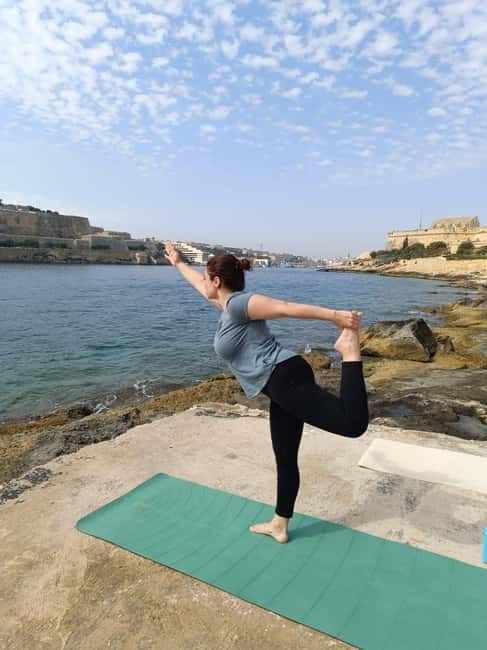
- Fort Manoel by the water: rock platforms and sea-level views set a unique mood for Vinyasa.
- True private attention: tailored sequences with alignment help, not a generic class.
- Breathwork + mindfulness included: mental focus is built into the physical flow.
- Savasana with waves and sun heat: relaxation is part of the program, not an afterthought.
- Bring your own mat plan: yoga mat is not included, so pack or arrange one.
Fort Manoel Yoga: Sea Sounds, Rock Platforms, and Real Malta Views
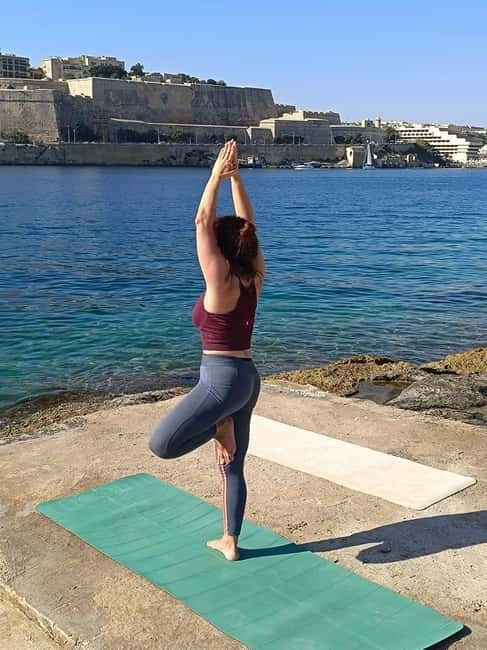
Fort Manoel is one of those places that feels made for slowing down. You get a mix of old-fortress texture and coastal openness, with blue water and horizon views that make it easier to focus on the present. Instead of closing yourself off in a studio, you practice where Malta’s shoreline energy is right there—waves, salt air, and that steady pull of the horizon.
What I like about this setting is how it supports both the body and the mind. The waves act like a natural soundtrack, so you’re less likely to fight for quiet. And the rock platforms give you a solid, stable “stage” for getting into poses—especially helpful if you’re still learning how to steady your balance.
The vibe is also practical. You’re not dealing with a crowded class or distractions from the next person’s playlist. The session is private, set up as a distraction-free outdoor practice. That matters because Vinyasa works best when you can actually listen—listen to breath, body signals, and how your joints are tracking through movement.
You can also read our reviews of more tours and experiences in Gzira.
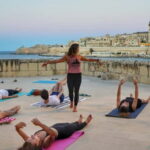
What the 1.5-Hour Session Actually Includes (Start to Savasana)
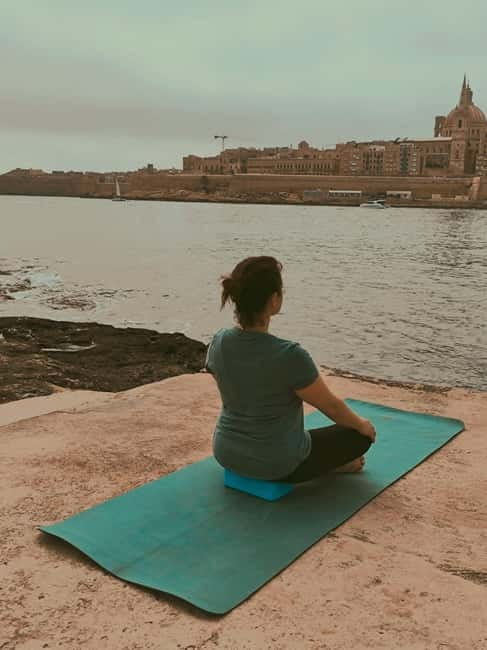
The flow is structured, but it doesn’t feel rushed. The class begins with a short arrival moment together at the meeting point, then you move to the fortress area leading toward the coast. The goal is simple: get you from arrival-mode into practice-mode, with the sea view as the background you can’t miss.
The meet-up moment: “Before the white bar”
You’ll meet at a clear landmark: before the entrance there is a white bar. The session starts there and ends back at the same spot, so you don’t have to figure out a second pickup location.
This is more important than it sounds. Outdoor experiences can get messy if people scatter and don’t know where to regroup. Here, at least the end point is straightforward, which keeps your last minutes calm instead of chaotic.
Centering on arrival: breathe, listen, settle
Before the main movement, you’ll lay down your mat on a smooth surface at the coast. You take a few centered moments—breathing, listening to your body, and connecting before you start moving. You may also notice mantras and the sea scent in the air, which helps shift you out of sightseeing mode.
Vinyasa flow: fluid movement synced to breath
Then the class moves into Vinyasa, with fluid transitions that match your breath. The structure typically starts with more static poses, then gradually builds into more dynamic sequences. If you like yoga that feels like a conversation between breath and movement, this will feel natural.
A nice detail: your gaze may drift toward the horizon. That sounds small, but it’s actually a huge cue for posture and mental focus. Looking out over the water can reduce the instinct to stare down at the mat or clench your face while balancing.
Deep relaxation: Savasana with waves and sun
The session ends with Savasana—lying down so your body can absorb the benefits. You’re not asked to “power through” the last minute. The sea sound stays in the background, and you may feel warm sun on your skin depending on the season.
For me, this kind of ending is where yoga sticks. Movement alone can be fun, but relaxation is what turns it into a real reset.
Martina’s One-on-One Coaching: Adjustments That Make Practice Safer
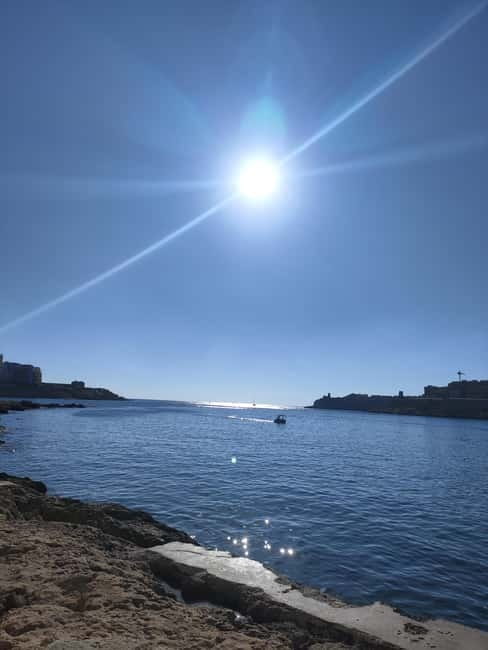
This is the big selling point: you’re not just attending a class, you’re getting a tailored practice. Instruction is one-on-one, and the sequence is adjusted to match your goals and your current abilities.
Martina (linked with Myoga.by.Marty) is the name that shows up again and again. The teaching style you’ll feel is calm and attentive—time taken to tune your practice to you, not to a roomful of strangers.
Hands-on adjustments and alignment corrections
You can expect hands-on adjustments designed to improve technique and alignment. This can be a game-changer if you’ve ever felt like your poses “look right” but don’t feel right inside.
Alignment help can also reduce strain. Vinyasa has a lot of repetition through transitions—downward dogs, lunges, core shifts, and balance moments. With personalized correction, you’re more likely to refine mechanics instead of stacking day-to-day discomfort on top of your practice.
Breathwork and mindfulness support
Breathwork and mindfulness aren’t tacked on at the end. They’re part of the practice from centering onward. The idea is that movement becomes easier when breath is steady, and the mind quiets when you’re paying attention on purpose.
That mental boost is especially helpful if you’re on holiday and your brain is still running checklists. Yoga becomes a way to park the noise for 1.5 hours.
Equipment is provided (but your mat is not)
They bring extra gear like blocks and straps. That’s good value, because you don’t have to travel with bulky items. But you should know the yoga mat is not included, so bring one if you can. If you don’t have one, you might want to arrange a mat through your own logistics before you arrive, because trying to borrow at the last second can be stressful.
Timing in Malta: Why the Start Time Changes by Season
Outdoor yoga in Malta isn’t just a location—it’s also a timing decision. The event runs at different hours depending on the season:
- Autumn/winter (November–April): 10:00 am
- Spring/summer (May–October): 7:00 am
That early start in warmer months is smart. You’re practicing close to the coast, and Malta temperatures can feel intense. Starting earlier helps keep the session comfortable and reduces the urge to rush.
If you’re deciding between dates, pick based on your tolerance for morning heat and humidity. Early-season morning yoga can be wonderful if you like the calm of fewer crowds and cooler air.
Where to Stand, What to Bring, and How to Make It Easy
This session is outdoors on rock and near water, so your packing should be more “comfort and weather” than “cute outfit.” The list is detailed, and you’ll be glad you read it.
Footwear and clothing
- Comfortable shoes are recommended.
- You might also want a change of clothes, since you’ll likely be outdoors with sun and salt air.
- Bring breathable clothing; long sleeves or long pants may help depending on wind and temperature.
High heels are not allowed, and the general rule is: wear what won’t fight you during poses.
Sun, insects, and hydration
Bring sunscreen (they specifically note biodegradable sunscreen), sun hat, head covering, sunglasses, and water. Insect repellent is also listed, again with a biodegradable option.
Because the waves are your soundtrack, you might forget to reapply sunscreen. The best move is to apply before you arrive, then bring what you need for reapplication.
Personal items that help
They recommend:
- Camera
- Drinks
- Sunscreen
- Toiletries if needed
- Breathable layers for comfort
Bring a covering if you prefer
A head covering or kippah is suggested. If you follow religious practice, this keeps things respectful and comfortable.
What’s not allowed
There are some clear no-fuss rules: no smoking, no littering, and no strong fragrances. Also, mobility scooters are not allowed. The goal is a quiet, low-distraction environment for everyone’s practice.
Price and Value: Is $40 a Good Deal for Private Yoga?
At $40 per person for a 1.5-hour private session, the value comes from the attention you get. Standard group yoga can cost similar or more depending on the studio, but you usually get far less individual feedback.
Here, you’re paying for:
- Tailored sequencing based on your goals and abilities
- Alignment corrections and hands-on adjustments
- Personalized instruction in a serene outdoor setting
- Breathwork, mindfulness, and a guided ending in Savasana
- Extra equipment like blocks and straps
- Refreshments like water or herbal tea
The only common “cost surprise” is what isn’t included: transportation, yoga attire, and notably the yoga mat. If you need to buy a mat, that’s a one-time cost. If you can borrow one or have one already, the price looks even stronger.
For me, the deciding factor is this: if you like yoga but want technique support and a quieter environment than a class, private sessions tend to make the money feel more real.
Who This Private Yoga Class Suits Best (And Who Should Skip It)
This experience is a great match if you want:
- A personalized yoga practice (not a one-size-fits-all flow)
- A teacher who helps with alignment and technique
- A calm outdoor environment where you can actually hear your own breath
- A relaxing finish that includes Savasana without rushing
It may not be a good fit if:
- You’re prone to seasickness
- You use a wheelchair (not suitable)
- You have a cold (not suitable for people with a cold)
- You’re traveling with small children, since it’s not suitable for children under 12
Also, if you know you hate outdoor heat or sudden weather changes, plan carefully. The class is outdoors, so comfort depends on what you bring and how you dress.
Photos, Daily Practice Tips, and the “Keep It Going” Part
This isn’t only about one hour on the coast. You can also request photos or video of the session, which is nice if you want a reference for your poses later.
More importantly, you’ll get guidance on incorporating yoga into your daily routine. You also receive digital access to recommended yoga resources like videos and articles. That means the session can turn into something practical at home, not just a nice holiday memory.
If you’re the kind of person who wants a plan, this is helpful: a good yoga class can motivate you briefly, but a small set of resources helps you keep going when vacation energy fades.
Should You Book Fort Manoel Private Yoga Close to the Sea?
If you want a relaxing holiday experience with real individual coaching, I think it’s an easy yes. The setting is special, the practice is structured, and the teacher support makes it more than just “stretching with a view.”
Book it if:
- You’ll enjoy an outdoor session near the coast
- You want hands-on alignment help
- You value breathwork and mindfulness, not just physical poses
- You want a calming, private reset during your Malta trip
Skip it if:
- Outdoor conditions (heat, insects, wind) make you uncomfortable
- You’re prone to seasickness
- You need accessibility features like wheelchair support
FAQ
Is the yoga class private or group-based?
It’s a private setup with one-on-one instruction and tailored sequencing. You’re practicing in a private, serene outdoor setting rather than as part of a large group.
Where do I meet for the class?
You meet before the entrance at a landmark with a white bar. The experience starts there and ends back at the same meeting point.
How long is the class, and what time does it start?
The class lasts 1.5 hours. Start times depend on the season: 10:00 am in November–April and 7:00 am in May–October.
What should I bring?
Bring comfortable shoes, sunscreen (biodegradable if possible), a sun hat and head covering, sunglasses, water, and a camera if you want. The list also includes insect repellent and weather-appropriate clothing.
Do I need to bring a yoga mat?
Yes. Yoga mat is not included. You’ll lay it on the provided/smooth surface at the coast, but you need to bring your own mat.
Does the instructor provide yoga equipment?
Yes. Blocks and straps (and other extra equipment) are provided for the session.
What language will the instructor speak?
The instructor speaks English and Italian.
Who should avoid this experience?
It’s not suitable for wheelchair users, people with a cold, and people prone to seasickness. It’s also listed as not suitable for children under 12 years.