REVIEW · TOKYO
Tokyo: Zen Meditation at a Private Temple with a Monk
Book on GetYourGuide →Operated by Travel Japan Together · Bookable on GetYourGuide
Zen meditation in Asakusa sounds simple until you sit down. You get a guided zazen lesson with monk Namiki-san, translated by Tamami-san, in a temple that isn’t open to the general public. I especially liked the calm, close-feel atmosphere and the way the monk’s guidance made it practical, not mystical, and I loved ending with matcha and sweets. The main drawback: the meditation time is split with other activities, so if you’re hunting for a long sit, this is more like a focused taste than a full retreat.
Meeting is easy near Tawaramachi, and the flow is well-managed for first-timers. You’ll also get a chance to ask real questions after practice, which is where the experience often turns from quiet to useful. Just note you’ll meet your guide via WhatsApp, so having the app ready matters.
In This Review
- Key Things You’ll Notice
- A Private Zazen Session in Asakusa’s Quiet Corners
- Finding the Temple: Tawaramachi and the Family Mart Meet Point
- Meet Your Guide: Tamami-san Translating the Monk’s Teachings
- Zazen Practice With a Monk: What You Actually Do on the Mat
- The Temple Space and Its 400+ Years of Continuity
- Calligraphy and the Tea Ceremony: Calm Comes Through Hands
- Q&A With Namiki-san: Stress Tips You Can Use Tomorrow
- Price and Value: Why $55 Works for a Private Temple Moment
- Who Should Book This Zen Meditation Tour
- Quick Booking Thoughts: What to Bring and How to Prepare
- Should You Book This Private Zen Meditation at a Temple?
- FAQ
- How long is the Zen meditation experience?
- What’s included in the ticket price?
- Where do I meet my guide in Asakusa?
- Do I need WhatsApp for this tour?
- Is transportation included?
- Is the tour offered in English?
- Can I take photos during the experience?
Key Things You’ll Notice
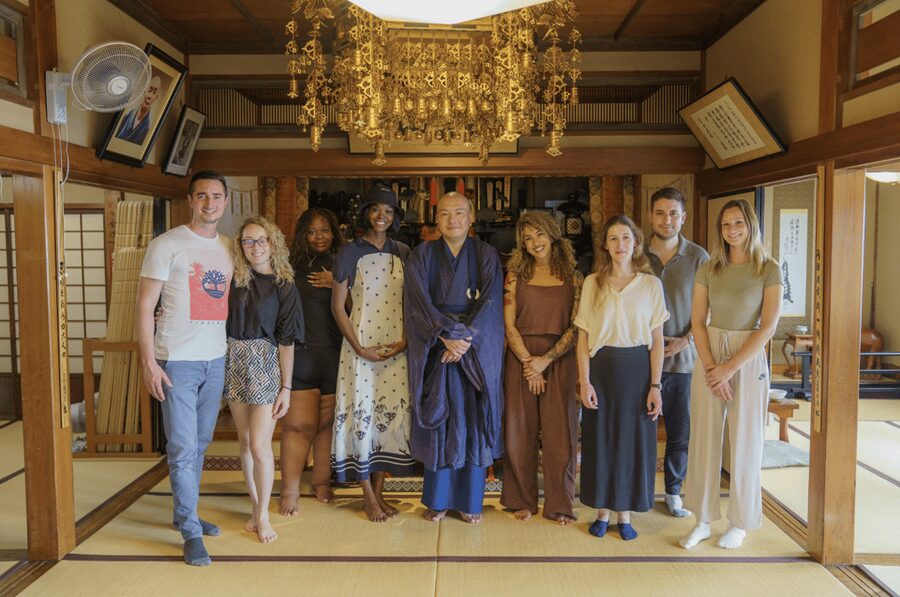
- Private-temple access in Asakusa with a separate entrance so you’re not stuck in tourist lines
- Zazen instruction from the resident monk (Namiki-san) with clear English support
- Short, guided practice rounds plus time for calligraphy and tea
- Temple atmosphere you can feel: tatami, incense or scent, and that centuries-old hush
- Q&A that goes beyond religion into stress, attention, and daily habits
- You can usually take photos inside and with the monk, if you follow temple etiquette
A Private Zazen Session in Asakusa’s Quiet Corners
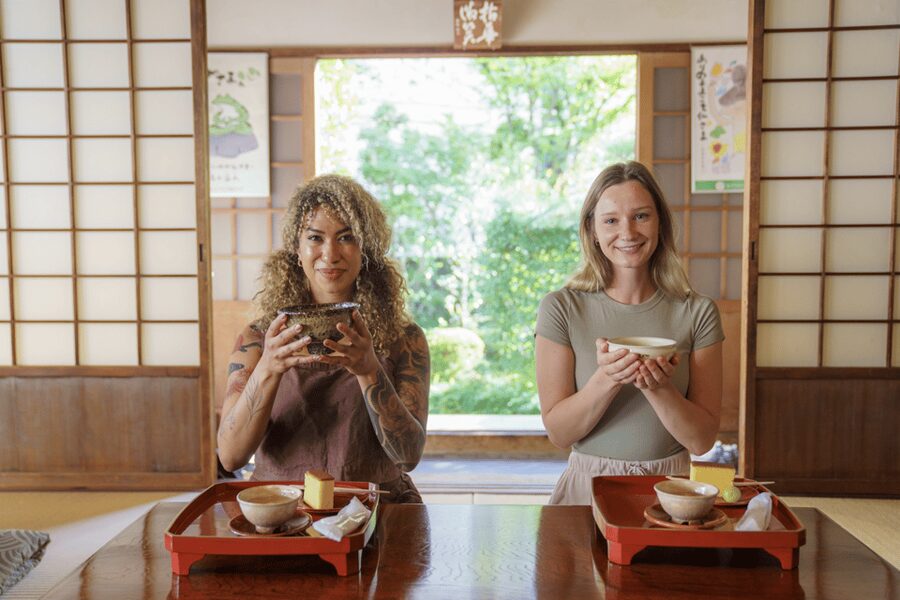
Asakusa is famous for crowds, snacks, and photo ops. This experience takes you out of that mode and into a smaller, calmer temple setting where you’re expected to slow down. The setting is a private temple space in Tokyo with a history spanning 400+ years, and you’ll notice it in the way the room holds stillness.
What makes this worth your time is the structure. You’re not just dropped into silence. You get a monk-led explanation of Zazen and then a chance to practice with guidance. It’s also intimate in a good way: you’re close enough to ask questions and get real answers, not just nod along.
I also like that it’s not pretending you’ll become a Zen master in 90 minutes. Instead, you leave with something you can actually reuse: breathing rhythm, focus cues, and a calmer way to look at your own mind.
Finding the Temple: Tawaramachi and the Family Mart Meet Point
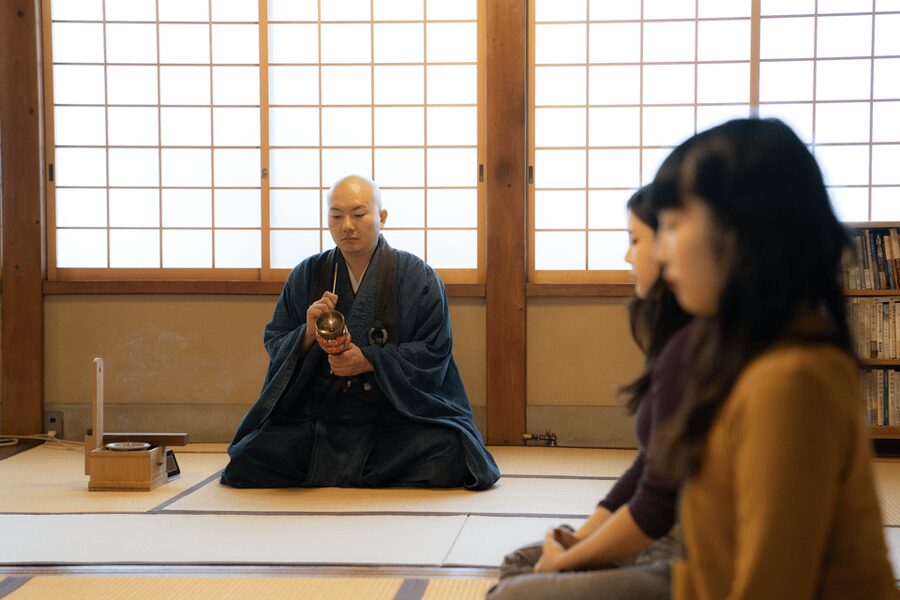
Your start point is straightforward, but Tokyo has a catch: there are often similar-looking convenience stores nearby. Meet in front of Family Mart in the Asakusa area, about a 2-minute walk from Tawaramachi Station (Ginza Line). The instructions specifically warn there are two Family Mart branches, so make sure you’re at the correct one.
Your guide will contact you through WhatsApp, so download it before you go. This is one of those small steps that prevents a big headache. Once you’re matched up with the guide, the rest moves smoothly.
The tour also includes skip-the-line entry through a separate entrance. Translation: you spend less time standing around and more time sitting, listening, and asking questions.
Meet Your Guide: Tamami-san Translating the Monk’s Teachings
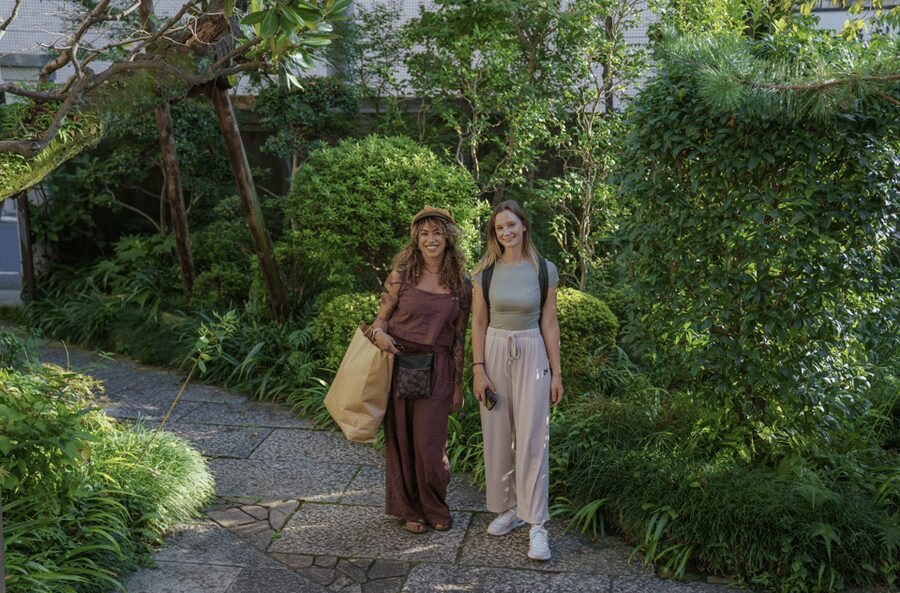
English support matters here, because Zazen language can get confusing fast. The guides (like Tamami-san) are warm and practical, and they translate smoothly between what you want to understand and what the monk is teaching.
In multiple accounts, guides such as Tamami-san and others like Kazu and Shota are described as friendly, patient, and clear with translation. That’s important because the monk’s explanations are where the value lives. If you miss the meaning, the meditation can feel like just sitting politely.
Also, you’ll get help with the overall rhythm of the session. For example, you’ll hear what to do with posture, breathing, and attention before you’re expected to sit. That turns the whole thing from intimidating into doable.
Zazen Practice With a Monk: What You Actually Do on the Mat
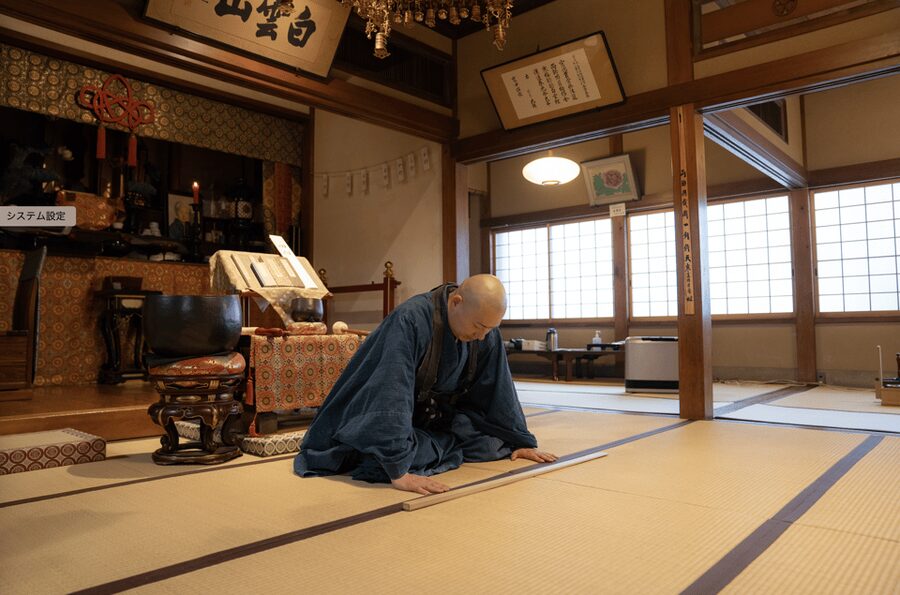
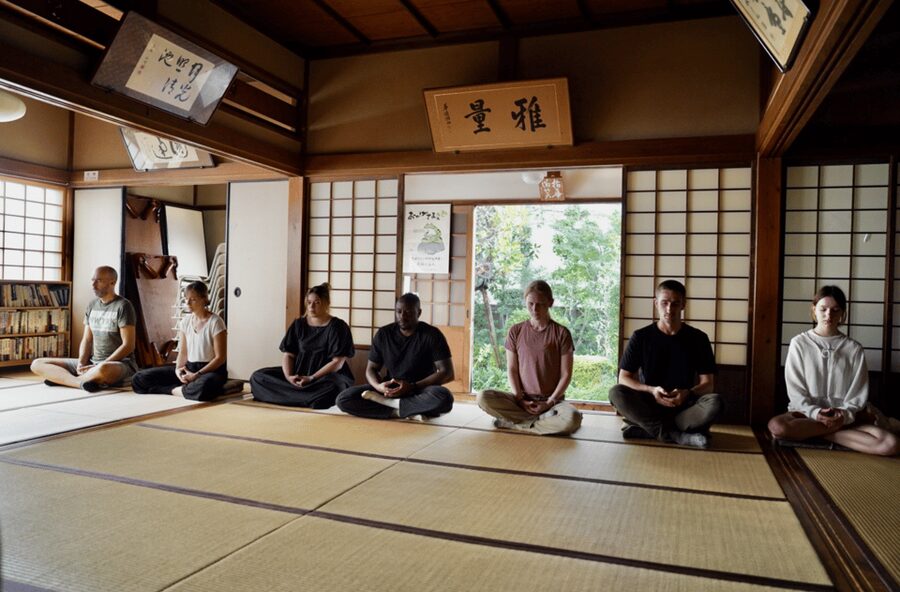
Here’s the heart of it: Zazen (seated meditation) guided by the resident monk. The session begins with a short lecture on principles and technique, then you practice. One account notes the meditation includes two rounds of about 10 minutes each, under the monk’s supervision. Other accounts describe a longer silent sitting time before calligraphy, so it may vary slightly with timing and group flow.
Either way, the goal isn’t complicated. You unify your mind. You focus on breath rhythm and posture. You try to detach from ego and busy-world concerns long enough to notice what’s happening inside you.
A small but telling detail: one person mentions using a stick during meditation being part of the experience. Even if you’re curious, don’t overthink it. If the monk gives instructions, follow them. The whole point is that you’re practicing in a real temple rhythm, not recreating a meditation video at home.
Also, don’t expect a perfectly empty mind. That’s not the point. You’re learning how to return—again and again—when your attention wanders. By the end, you should feel calmer and more centered, even if you only notice it during the tea ceremony.
The Temple Space and Its 400+ Years of Continuity
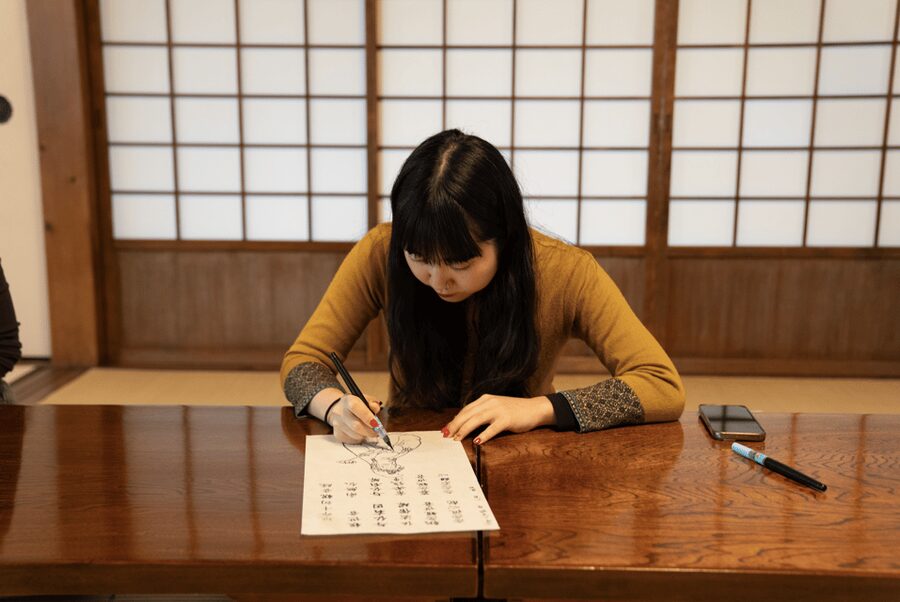
This temple isn’t framed as a museum. You’re walking into a living place of practice, and that changes the mood. People describe the atmosphere as serene and tranquil, and some note the scent in the interior space, which helps the brain shift out of street mode.
Several accounts mention the temple being home to monks across generations, including a resident monk and family lineage. That continuity matters because it helps explain the teaching style. The guidance feels grounded and consistent—less performance, more tradition.
Practically, the space also supports the session. Tatami seating shows up in descriptions, and that makes posture feel connected to the room rather than forced. When a space is designed for stillness, you stop fighting your environment.
If you’re sensitive to noise, this is a good choice. You’re joining a small group in a quiet setting, not trying to meditate through street sounds.
Calligraphy and the Tea Ceremony: Calm Comes Through Hands
Zen isn’t only about sitting. You also get calligraphy and a matcha tea experience, which is a big reason this tour feels like more than a standard class.
Calligraphy often includes chanting and a simple practice element, like writing a character or sutra phrase. One account mentions calligraphy of a sutra, chanting included, which adds a rhythmic layer beyond just copying strokes. Another person notes it felt meditative in its own way—because your attention has to slow down when your hand is the focus.
Then comes tea. You’ll have matcha and traditional sweets, with the monk leading or guiding the moment. The tea ceremony here isn’t described as flashy. It’s framed as part of the same practice: present attention, calm pace, and gratitude for small things.
For a lot of people, this is when meditation fully lands. You move from internal focus to sensory calm—taste, smell, and simple ritual. That’s where the experience becomes sticky in a good way, not just a one-off.
Q&A With Namiki-san: Stress Tips You Can Use Tomorrow
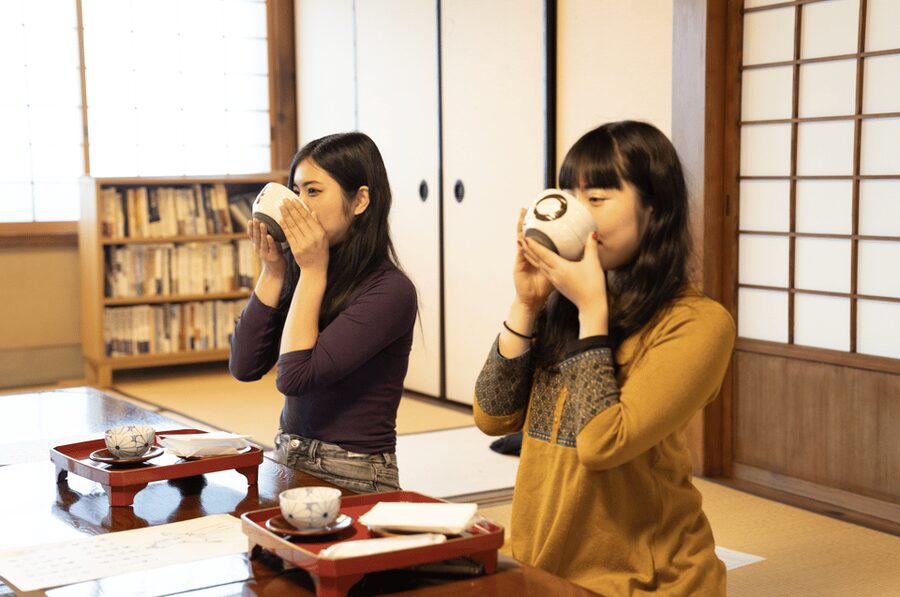
One of the biggest highlights is the chance to talk with the monk after practice. You’re not stuck with a script or forced into polite nodding. The monk is described as patient and open, and questions range from temple life to how Zen connects to everyday stress.
Some of the most practical advice mentioned includes focusing fully on small activities, not comparing yourself to others, keeping your environment tidy, and exploring anger’s root instead of reacting blindly. That’s Zen 101, but delivered in a way that feels useful, not preachy.
The Q&A also helps you understand what you just did. When you know what the posture and breath focus are trying to do, the whole experience makes more sense.
One more helpful touch: the guide translation makes the Q&A easier for first-timers. You’ll get follow-up clarity rather than leaving with half-answers.
Price and Value: Why $55 Works for a Private Temple Moment
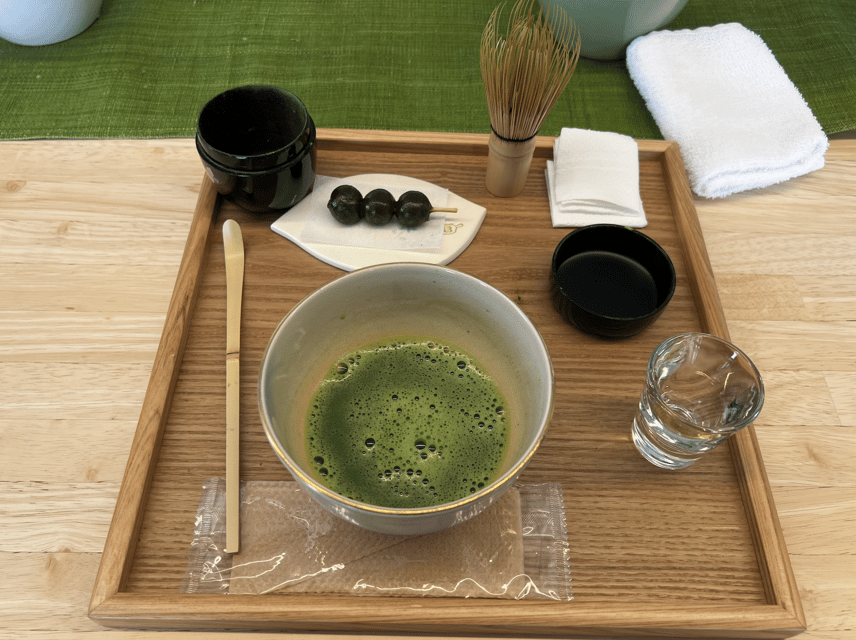
At $55 per person for 90 minutes, this isn’t the cheapest thing you’ll do in Tokyo. But it can be good value because you’re paying for a bundle that’s hard to recreate on your own:
- Monk-led instruction (the whole point here)
- A guide to translate and keep the flow smooth in English
- Temple entry with private-temple access and separate entrance
- Guided practice plus structured cultural components: calligraphy and matcha tea
In Tokyo, a lot of “culture experiences” are basically a walking tour with a quick stop. Here, you sit. You learn. You do. And you leave fed with tea and sweets.
If you’re the kind of traveler who wants one morning that makes the rest of your trip feel calmer, this price can feel fair. You’re buying time with a teacher in a quiet setting—not just a photo.
The only pricing caution: because other activities share the 90 minutes, you shouldn’t expect this to replace a full-day meditation retreat.
Who Should Book This Zen Meditation Tour
This is a strong fit if you:
- Want a traditional Zen experience without needing prior knowledge
- Enjoy structured guidance, especially for meditation technique
- Like small, peaceful experiences away from crowds
- Want more than sitting, like calligraphy and a matcha tea ceremony
It may be less ideal if you:
- Want a long, uninterrupted meditation session
- Prefer self-guided spiritual exploration with zero talking
- Get uncomfortable in quiet group settings (though accounts say the group practice feels surprisingly relaxing)
In short: it’s ideal for beginners, curious minds, and people who want calm plus clear answers.
Quick Booking Thoughts: What to Bring and How to Prepare
The tour information doesn’t list special gear, which is a good sign. Still, you’ll want to dress comfortably. Meditation is more about ease than fashion.
Before you go, set up WhatsApp so you can meet your guide fast. And when you arrive, follow the monk and guide’s instructions on behavior inside the temple space. Quiet respect is part of the practice.
If photography is available during your session, follow temple etiquette and ask when needed. Some accounts mention photos are allowed, including with the monk, but it’s always best to listen first.
Should You Book This Private Zen Meditation at a Temple?
If you want one Tokyo experience that slows you down and gives you practical takeaways, I think you should seriously consider booking. The big reason: you’re not just watching Zen. You’re doing Zazen, trying calligraphy, drinking matcha, and getting Q&A with the monk—translated clearly by guides like Tamami-san.
Book it if you want calm, structure, and cultural authenticity in a small, private setting. Skip it if you’re chasing hours of silent meditation. This is a focused experience, and for many people, that’s exactly what they need to start feeling centered.
FAQ
How long is the Zen meditation experience?
The experience lasts 90 minutes.
What’s included in the ticket price?
The ticket includes the Zen experience, a guide, entry to the temple, monk explanation, and matcha tea.
Where do I meet my guide in Asakusa?
Meet in front of Family Mart in the Asakusa area, about 2 minutes from Tawaramachi Station (Ginza Line). There are two nearby Family Mart locations, so confirm you’re at the correct branch.
Do I need WhatsApp for this tour?
Yes. Your guide will contact you through WhatsApp, so you’ll need to download it ahead of time.
Is transportation included?
No. Transportation is not included.
Is the tour offered in English?
Yes. The tour is guided in English.
Can I take photos during the experience?
One account notes that taking photos or videos is allowed, including within the temple and with the monk, as long as you follow temple etiquette.