REVIEW · BALI
Bali: 7 Day Solo Traveler’s Yoga Retreat In Ubud
Book on GetYourGuide →Operated by Firefly Retreat · Bookable on GetYourGuide
Waking up to jungle sounds changes your mood fast. This 7-day solo yoga retreat in Ubud pairs sunrise-to-sunset yoga with hands-on Balinese culture like canang offerings, jamu herbal practice, and vegetarian organic meals. I also really like the small-group feel and the steady kindness from organisers Buda and Ariel, which makes it easy to meet people without forcing it. One thing to consider: the accommodations are simple, and the retreat is a 25-minute walk from Ubud, so you need to be comfortable with a quieter, slightly remote setup.
What makes this retreat work is the balance of structure and space. You’ll get daily classes and guided workshops, then breathing room to absorb it all. If you want nonstop action, this isn’t that kind of week, but if you want consistent nourishment for mind and body, it’s a strong match.
In This Review
- Quick Take: 6 Things You’ll Really Notice in Ubud
- Why This Ubud Yoga Retreat Feels Like a Reset (Not a Loud Vacation)
- Your Base at Firefly Retreat: Infinity Pool Views and Real Quiet
- The Week’s Core Rhythm: Sunrise Yoga, Meditation, and Cultural Training
- Day 1 (Sunday): Arrival, Unpack, Then Your First Friendly Intro
- Day 2 (Monday): Sunrise Yoga, Medicine Walk, and Canang Offerings
- Day 3 (Tuesday): Choose Your Path—Balinese Excursion or Pyramids of Chi Sound Healing
- Day 4 (Wednesday): Cooking Class and Jamu Making
- Day 5 (Thursday): Medicinal Tea Tasting and Chocolate Making
- Day 6 (Friday): One Last Sunrise Yoga Before Departure Mode
- Day 7 (Saturday): Departure at Noon
- Food and Workshops: Vegetarian Organic Meals That Don’t Feel Like Punishment
- Massage and Recovery: Why the 1-Hour Treatment Is a Big Part of Value
- Price and Value: Is $412 Fair for 7 Days in Ubud?
- Who This Bali Retreat Is Best For (And Who Might Want to Skip It)
- Practical Tips: What to Bring and What to Expect on the Ground
- Should You Book This Ubud Yoga Retreat?
- FAQ
- Is this retreat in Ubud, and where exactly is it based?
- How long is the Bali solo yoga retreat?
- What’s included in the price?
- Is transportation included?
- Are yoga classes taught in English?
- What should I bring?
Quick Take: 6 Things You’ll Really Notice in Ubud
- Sunrise yoga that starts your day slow and clear
- Rice-paddy calm at a serene retreat setting with no car/bike noise
- Herbal medicine practice like jamu making and medicinal tea tasting
- Canang offerings work you can bring home as a cultural memory
- A daily rhythm of sunset yoga and meditation to close the day well
- Massage time (1 hour) built in for real recovery, not just stretching
Why This Ubud Yoga Retreat Feels Like a Reset (Not a Loud Vacation)
Ubud is busy in its own way, but this retreat’s setting is intentionally quiet. You’re up in a serene zone surrounded by jungle and rice paddies, so even ordinary moments—walking in the morning, hearing animals at night—feel part of the experience.
I like that it’s built around routine. Sunrise yoga, workshop blocks, and evening practices give you a clear mental frame, which helps solo travellers feel grounded instead of scattered. And because the group is very small, you’re not fighting for attention or space in class.
The yoga focus isn’t presented like a gimmick. It’s supported by daily meditation, cultural workshops, and body care like a Balinese massage, so the week becomes something you can actually feel in your day-to-day life after you leave.
You can also read our reviews of more tours and experiences in Bali.


Your Base at Firefly Retreat: Infinity Pool Views and Real Quiet
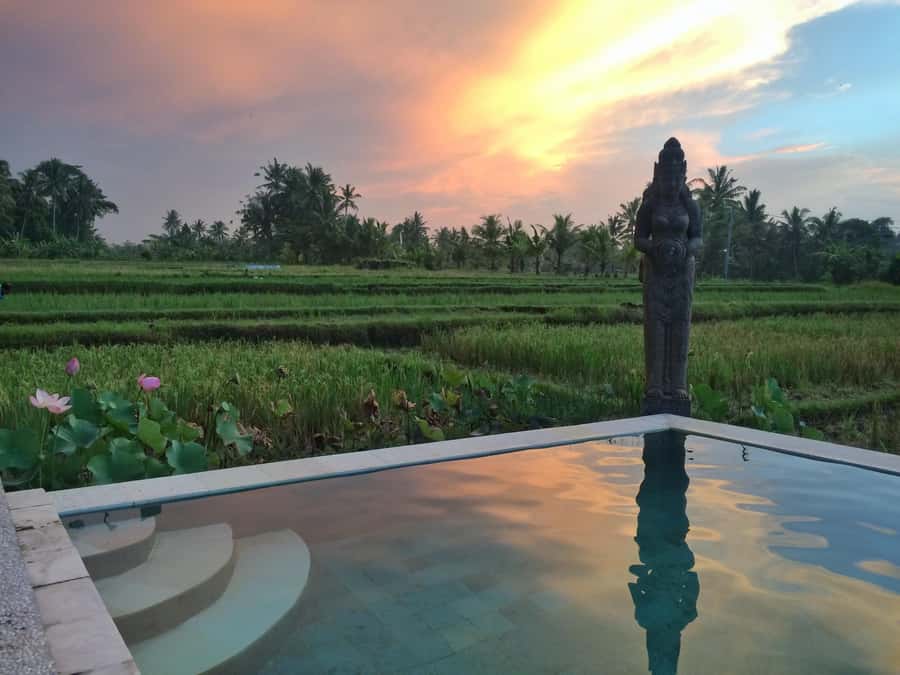
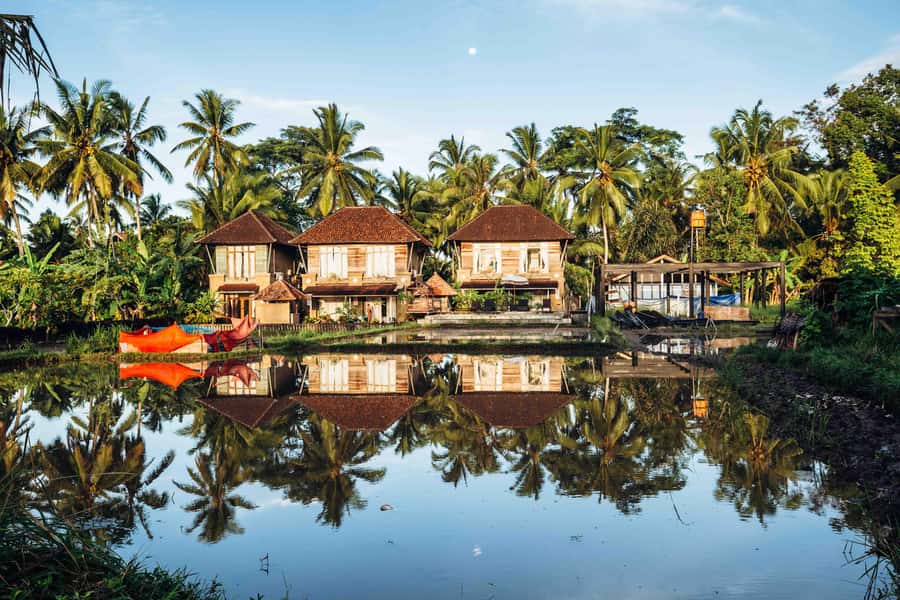
You’ll stay at Firefly Retreat in Ubud (Br Sakti, Jl Suweta). The rooms are described as simple but comfortable, which is exactly what you want for a retreat week—you’re not paying for luxury furniture, you’re paying for time to practice.
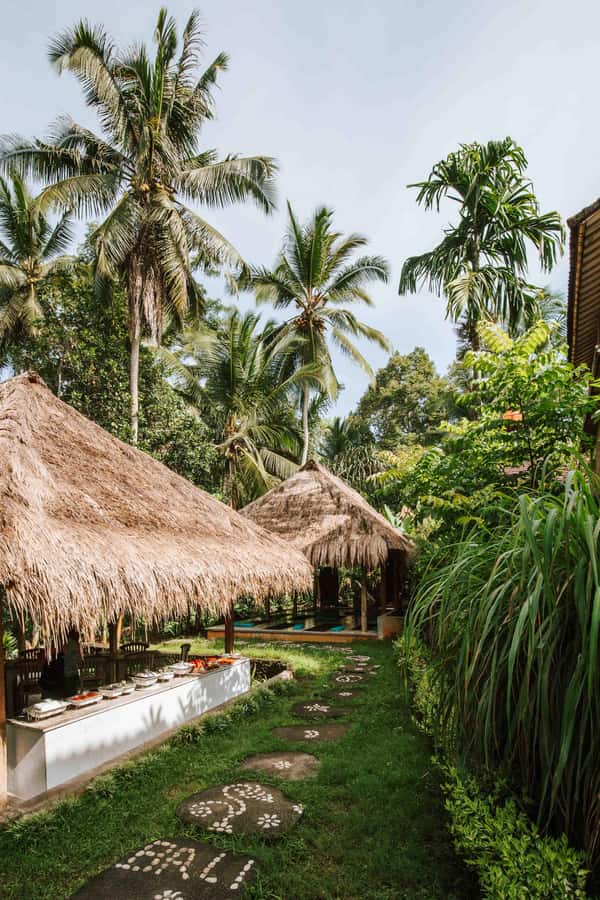
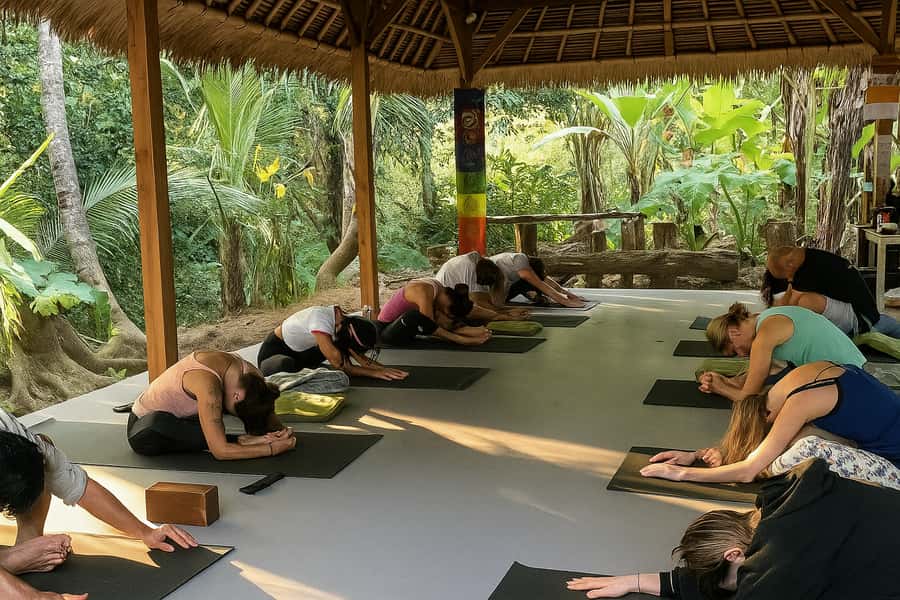
Two standout perks for me are the setting and the yoga space. There’s access to an infinity swimming pool, and your yoga classes happen in a wooden yoga shala with a bamboo roof. That combo matters: it’s easier to focus when your surroundings feel calm, and the shala setup makes the class feel intentional.
And yes, you should know the practical side: the retreat is a 25-minute walk from Ubud. That can be great if you like walking and want to reduce how much you depend on taxis, but it does mean you’re not popping out to cafes every hour. Plan for a slower rhythm.
One small safety note from a recent booking: the ground can get slippery at times. Rain can move in and out, so bring sensible shoes and keep an eye on wet paths, especially around outdoor areas.
The Week’s Core Rhythm: Sunrise Yoga, Meditation, and Cultural Training
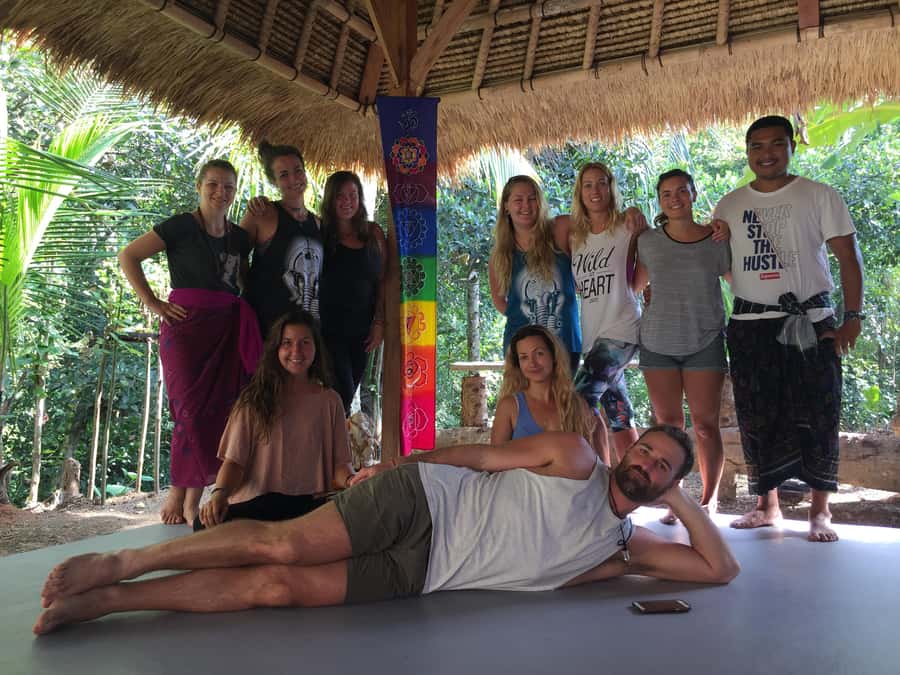
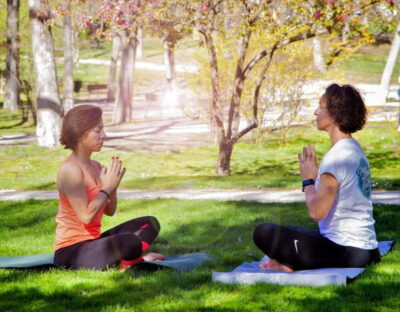
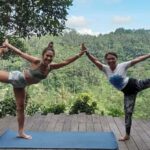
Each day has a familiar spine, which is comforting when you’re travelling alone. Mornings start with sunrise yoga, then you move into either a workshop or a guided activity. Evenings are more about settling—sunset yoga and meditation—so you end the day grounded instead of wired.
That structure is a big part of the value you’re paying for. You’re not just buying a class ticket; you’re buying a full flow that helps your body learn and your mind decompress. When you’re trying to reset, consistency beats randomness.
English instruction is also a plus. You won’t be guessing through cues, and the organisers (again, Buda and Ariel) are warm and supportive, which helps especially if yoga is new to you or if you’re a first-time solo retreat person.
Day 1 (Sunday): Arrival, Unpack, Then Your First Friendly Intro
Sunday starts with arrival and settling in. You arrive at 14:00, check in, and then there’s a first introduction at 18:00. This is a smart timing choice: it gives you enough time to arrive without rushing, then gets you social and oriented in the evening.
For solo travellers, that intro hour can make the rest of the week easier. You’ll meet other like-minded guests and start forming connections early, so later workshop moments don’t feel awkward or performative.
If you’re jet-lagged, don’t worry about squeezing in extra plans. The retreat’s schedule is calm by design, and the point is to help you start practising on day one, not just touring your surroundings.
Day 2 (Monday): Sunrise Yoga, Medicine Walk, and Canang Offerings
Monday is where the retreat starts feeling both spiritual and hands-on. You begin with sunrise yoga at 07:00, then you get a morning walk and introduction to Balinese natural medicines at 09:30. This isn’t just theory—it sets the tone for later herbal workshops by showing you how plants, remedies, and everyday practice connect.
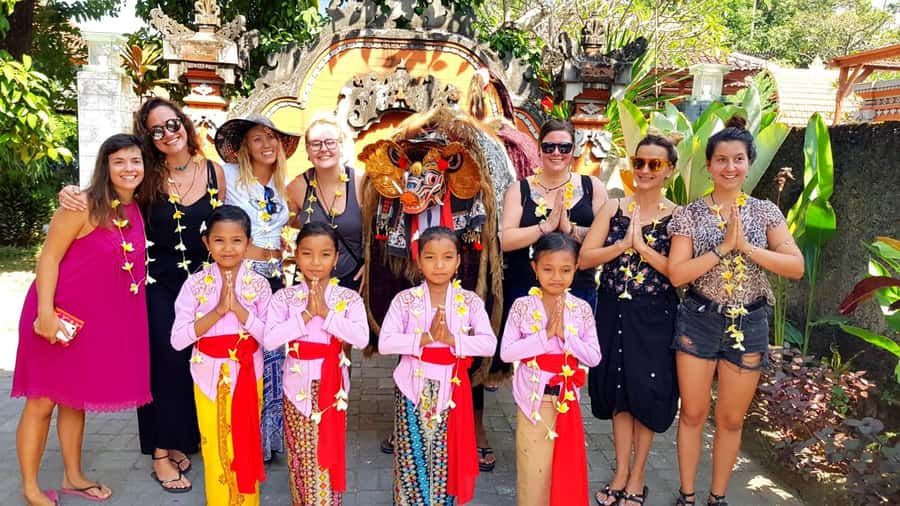
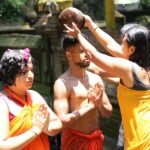
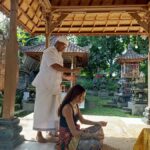
After lunch time, the culture portion becomes tangible. At 15:00, you’ll make canang offerings. Canang are small daily offerings in Balinese tradition, and learning how to create them gives you a small, respectful way to understand beliefs and daily rituals instead of just watching them from the outside.
You wrap the day with sunset yoga at 17:00 and meditation at 18:00. That pairing is useful because it turns the energy you build in the day into calm, instead of leaving you buzzing and restless.



Day 3 (Tuesday): Choose Your Path—Balinese Excursion or Pyramids of Chi Sound Healing
Tuesday has one flexible element due to local ceremonies. Based on what’s happening that week, you’ll choose either a Balinese excursion or a 1.5-hour sound healing session at the Pyramids of Chi.
Here’s how to think about the choice:
- If you want more local context and movement, go for the excursion.
- If you want a quieter, more internal reset, sound healing can be a powerful complement to yoga.
Either way, the rest of the day keeps its rhythm. You still end with sunset yoga at 17:00 and meditation at 18:00.
This ceremony-based flexibility is also a reminder to travel with patience. In Bali, the culture isn’t a museum exhibit. It’s active, living, and sometimes it changes what’s possible—so the retreat is designed to stay respectful.
Day 4 (Wednesday): Cooking Class and Jamu Making
Wednesday is a practical culture day. After sunrise yoga at 07:00, you shift to a cooking class at 11:00. The food theme matters here because your meals during the retreat are daily vegetarian organic meals, so cooking lessons won’t feel random or out of place.
At 15:00, you’ll do jamu making. Jamu is an herbal drink tradition, and making it yourself is a great way to understand how herbal medicine can be part of everyday wellbeing rather than something locked in a pharmacy.
Your day finishes with sunset yoga at 17:00. Even without listing a second meditation block here, the retreat’s overall vibe is still geared toward slowing your nervous system and giving your body time to absorb the day.
Day 5 (Thursday): Medicinal Tea Tasting and Chocolate Making
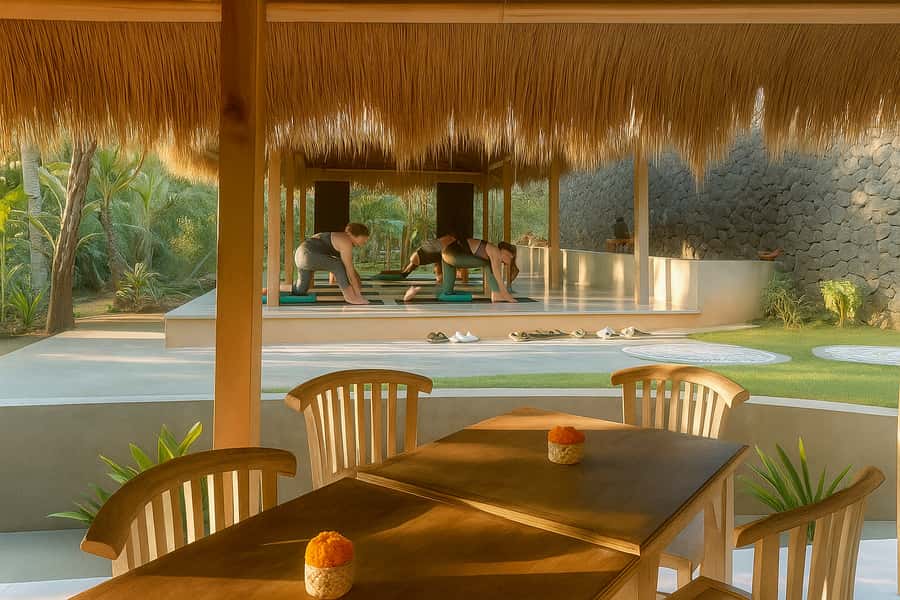
Thursday keeps stacking cultural skills with calm movement. You start with sunrise yoga at 07:00, then head to medicinal tea tasting at 11:00. Herbal tea tasting is a smart learning format because you get to experience flavors and effects through a normal human sense: taste.
Then you get the sweet part. At 16:00, you’ll do chocolate making. That sounds like a fun break, but it also fits the bigger theme: you’re learning how local ingredients become wellbeing and ritual, not just buying souvenirs.
The day ends with sunset yoga at 17:00. That’s your consistent reset button—movement, then settling again.
Day 6 (Friday): One Last Sunrise Yoga Before Departure Mode
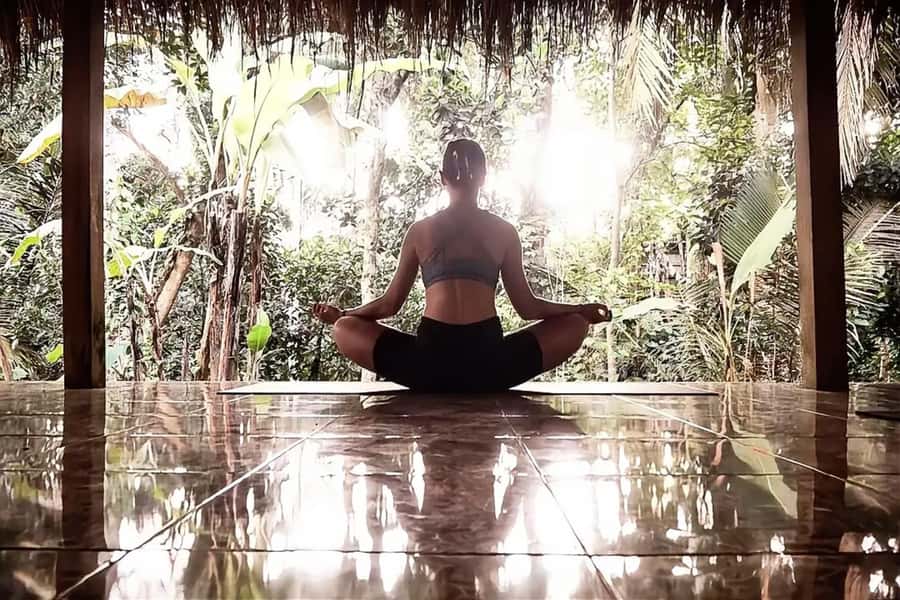
Friday is simpler on paper, and that can be a good thing. You start with sunrise yoga at 07:00, then enjoy sunset yoga later in the day.
This kind of pacing helps you avoid burnout. By day six, you’ve already learned the key cultural activities—canang, jamu, tea tasting, cooking—so the extra focus becomes your own practice and recovery.
There’s also a 1-hour Balinese massage treatment included in the overall retreat package. Since the schedule details for the massage day aren’t spelled out here, you should expect it to be planned during the week as part of your recovery rhythm. In a retreat like this, massage time usually lands at a moment when your body wants it most.
Day 7 (Saturday): Departure at Noon
You wrap up on Saturday with a 12:00 departure. That timing is helpful because you can plan your onward travel without feeling like you lost half the last day to logistics.
If you’re trying to turn this week into a lasting habit, use the last morning to do something basic: stretch longer, journal, or revisit what felt easiest in class. The retreat is structured to give you tools, but you still have to take a few of them home.
Food and Workshops: Vegetarian Organic Meals That Don’t Feel Like Punishment
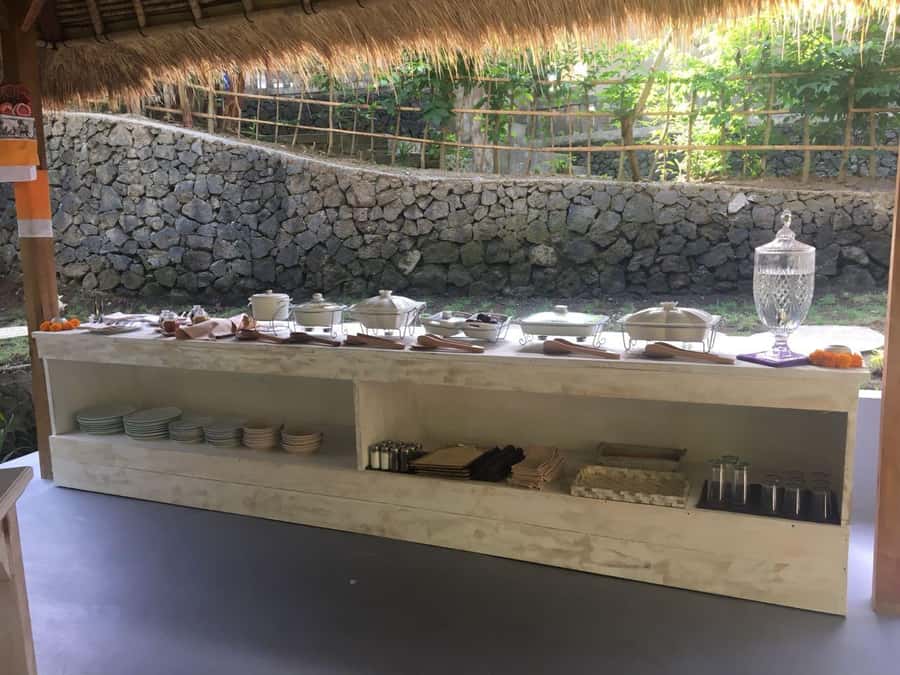
The retreat is built around daily vegetarian organic meals. That matters because yoga retreats can sometimes end up food-light or overly restrictive. Here, the meals are consistently described as tasty, with a choice from a menu each day.
You’ll also get cooking-focused learning through the cooking class, plus hands-on ingredient work through jamu making, medicinal tea tasting, and chocolate making. Those workshops aren’t just “activity credits.” They teach you how local practices turn plants, spices, and everyday ritual into wellbeing.
One useful tip: pack a little curiosity about herbs and flavors. Even if you don’t drink herbal remedies at home, the tasting and making sessions can change how you think about wellness being practical, not just spiritual.
Massage and Recovery: Why the 1-Hour Treatment Is a Big Part of Value
The 1-hour Balinese massage is one of the clearest ways this retreat supports your body, not just your schedule. Yoga is strengthening and stretching, but it can also leave tension behind—especially if you’re doing new poses or practising daily.
A massage helps reset muscles so your next session feels better. It also gives your mind a break from effort. If you’re the kind of person who carries stress in your shoulders and back, you’ll likely appreciate this piece more than you expect.
If you have any concerns about health conditions, note that the retreat isn’t suitable for people with heart problems. And since it’s a retreat in a serene outdoor setting, mobility constraints can be an issue too. You’ll want to be realistic about walking paths and outdoor spaces.
Price and Value: Is $412 Fair for 7 Days in Ubud?
At $412 per person for 7 days, you’re paying for a full retreat bundle, not just a few classes. What’s included covers accommodation, yoga classes, cultural workshops, meals, plus specific hands-on sessions like a cooking class, chocolate making, and an herbal medicine workshop. You also get the 1-hour Balinese massage.
What’s not included is what usually drives retreat costs up: airfare and transportation. That’s normal, but it does mean your total trip budget depends on how you’re getting to Bali and how you plan to move around Ubud.
Here’s the value logic I’d use:
- If you want a structured week with meals, classes, and cultural practice built in, this price is easier to justify.
- If you’re hoping for a luxury resort or lots of independent exploring, it may feel like a mismatch because the accommodations are described as simple and the retreat is quiet/remote.
For solo travellers, the small-group setup is a major part of the deal. Even if you’re effectively experiencing it almost like a one-person retreat, you still get the community energy without crowds.
Who This Bali Retreat Is Best For (And Who Might Want to Skip It)
This retreat is a strong fit if you want:
- Solo travel that still feels social
- A daily yoga habit with meditation and recovery
- Hands-on cultural learning in Bali, especially herbal medicine and cooking
- Quiet time in rice-paddy calm, not city noise
It’s not a great fit if you:
- Need mobility-friendly access (it’s not suitable for people with mobility impairments)
- Have heart problems
- Are travelling with children (it’s for adults only, no children under 18)
If you’re new to yoga, you can still enjoy the week as long as you communicate your comfort level in class. The retreat’s tone is welcoming and supportive, and the organisers are there to help you settle in.
Practical Tips: What to Bring and What to Expect on the Ground
Pack light, but pack smart. Bring:
- Swimwear (for the infinity pool)
- Sunscreen
- Comfortable clothes
- Insect repellent
Add one personal item: a small backpack. A recent guest specifically recommended it because you’ll be moving between sessions and workshops.
Also, be ready for weather shifts. Rain can come and go in Bali, and the ground may be slippery at times. If you’re careful with footwear and you go slow on wet paths, the setting stays enjoyable instead of annoying.
Finally, know the rules: no smoking, and no alcohol or drugs are allowed during the retreat. That keeps the focus on practice and wellbeing.
Should You Book This Ubud Yoga Retreat?
If you want a calm week with daily yoga, meditation, and real cultural learning—especially Balinese herbal medicine and food—this retreat is worth serious consideration. The best parts are the welcoming organisers Buda and Ariel, the quiet rice-paddy setting, and the way the program feeds you every day, both physically and mentally.
Book it if you like structured wellness and you’re comfortable with simple accommodations. Skip it if you need wheelchair-friendly access, have heart concerns, want a party vibe, or plan to base your trip around lots of independent city hopping from day to day.
FAQ
Is this retreat in Ubud, and where exactly is it based?
Yes. The meeting point is Firefly retreat Bali, Br Sakti, Jl Suweta, Ubud, Bali, Indonesia.
How long is the Bali solo yoga retreat?
It’s a 7-day retreat.
What’s included in the price?
Included are accommodation, yoga classes, cultural workshops, meals, a cooking class, chocolate making class, and an herbal medicine workshop. A 1-hour Balinese massage treatment is also part of the experience.
Is transportation included?
No. Transportation is not included.
Are yoga classes taught in English?
Yes. The instructor is listed as English.
What should I bring?
Bring swimwear, sunscreen, comfortable clothes, and insect repellent. You should also expect you’ll want sensible footwear for slippery ground at times.