REVIEW · HO CHI MINH CITY
Ho Chi Minh City – Meditation retreat – 2 days 1 night
Book on GetYourGuide →Operated by JANGTOURS · Bookable on GetYourGuide
Silence at dawn, and chores at dusk. This 2 days/1 night retreat near Ho Chi Minh City pairs Buddhist practice with everyday, practical tasks—plus the chance to live in a working pagoda environment for a full schedule. You’ll travel about 100 km out to Thien Ton Phat Quang Pagoda, then settle into a rhythm of meditation, chanting, and volunteer work.
Two things I like: first, the day is built around real meditation sessions and Buddhist teachings, not just a tourist-friendly “try it once” moment. Second, you’re not just watching rituals—you’re part of them, from chanting to prostrations and a calm reading period. A key drawback to consider is that guidance can feel light; you may sit in silence without much step-by-step coaching, and some parts of the meditation space may be quite basic.
In This Review
- Key Things I’d Look For
- The Pagoda Setting: Thien Ton Phat Quang Pagoda, 100 km from Saigon
- Day 1, Hour by Hour: Transfer, Meditation, and Volunteer Work
- What I like about Day 1’s flow
- A potential mismatch
- Where the Silence Happens: Meditation, Chanting, and the Wholesome Seed Ritual
- Day 2 at 4:00: Great Bell Meditation and Morning Qigong
- Day 2’s biggest benefit
- Monks and Nuns in Your Daily Routine: What You Learn by Living There
- Food, Dress, and Daily Etiquette: How to Fit In Fast
- Price and Value: Is $80 a Good Deal for a 2-Day Pagoda Retreat?
- My take
- Who Should Book This Retreat (and Who Might Hate It)
- Practical Tips Before You Go
- Should You Book? My Honest Recommendation
- FAQ
- Where does the retreat take place?
- How long is the retreat?
- What does the retreat cost?
- What’s included in the price?
- What’s not included?
- Is the instruction offered in English?
- What kind of food should I expect?
- What should I wear or bring?
- Are there any restrictions?
- Who can’t participate?
- What’s the cancellation policy?
Key Things I’d Look For
- Meditation is paired with doctrine and practice, so you’re not only sitting.
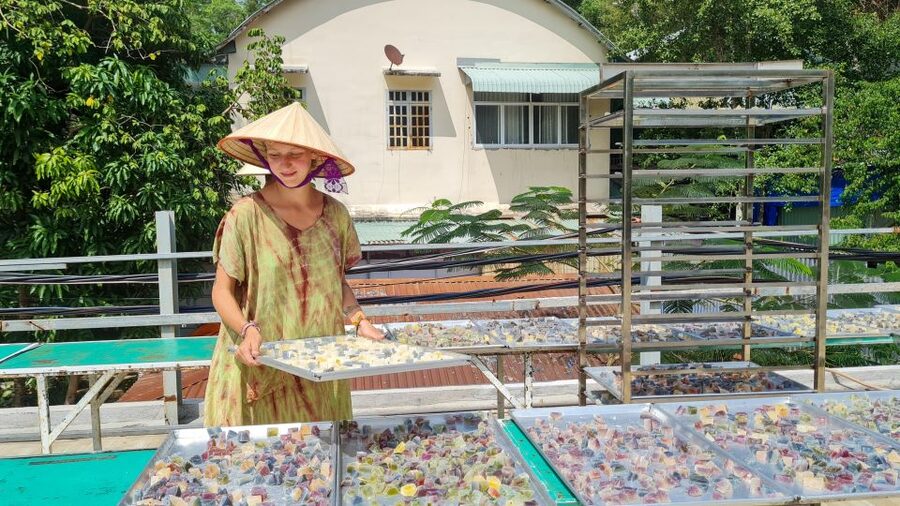
- Volunteer time (cakes/tea/tofu, painting fabric, and picking vegetables) turns “spiritual” into hands-on.
- Buddhist rituals are scheduled, including chanting and prostration to Buddha.
- Early morning energy: a Great Bell session starts at 4:00 on Day 2.
- You live alongside monks and nuns, which changes the feel from classroom to everyday monastic life.
- Your accommodation and meditation setup may be simple, and communal sleeping mats are part of the experience.
The Pagoda Setting: Thien Ton Phat Quang Pagoda, 100 km from Saigon
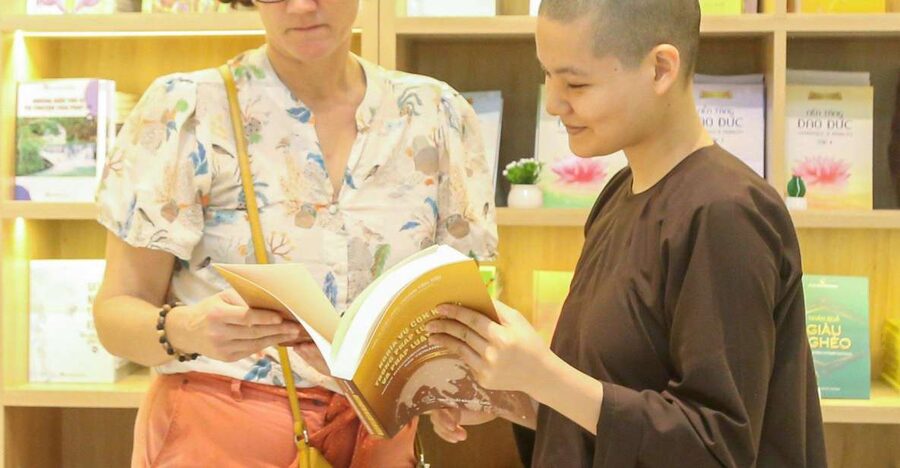
Ho Chi Minh City is loud. This retreat deliberately pulls you away from that. The program runs out to Thien Ton Phat Quang Pagoda, about 100 km from the city center area, so you’re trading city time for pagoda time fast.
That distance matters because it makes the whole schedule feel more intentional. Once you’re there, you stop thinking like a visitor and start moving like someone on retreat: meals at set times, chanting on a clock, and volunteer work treated as part of practice.
You can also read our reviews of more tours and experiences in Ho Chi Minh City.
Day 1, Hour by Hour: Transfer, Meditation, and Volunteer Work
Day 1 starts with a long transfer window—about 7:30 to 10:30—so plan to keep your morning flexible. Once you arrive, you’re fed quickly: a vegetarian lunch comes in around 11:00 to 11:30, which helps you settle without going hungry or cranky.
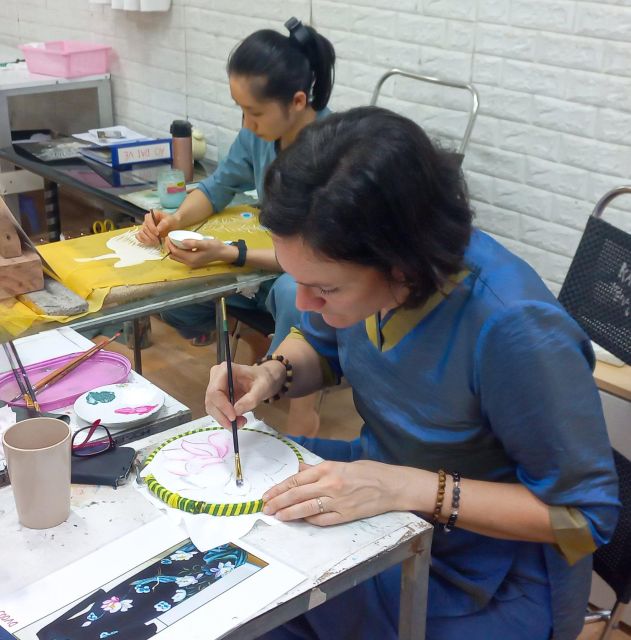
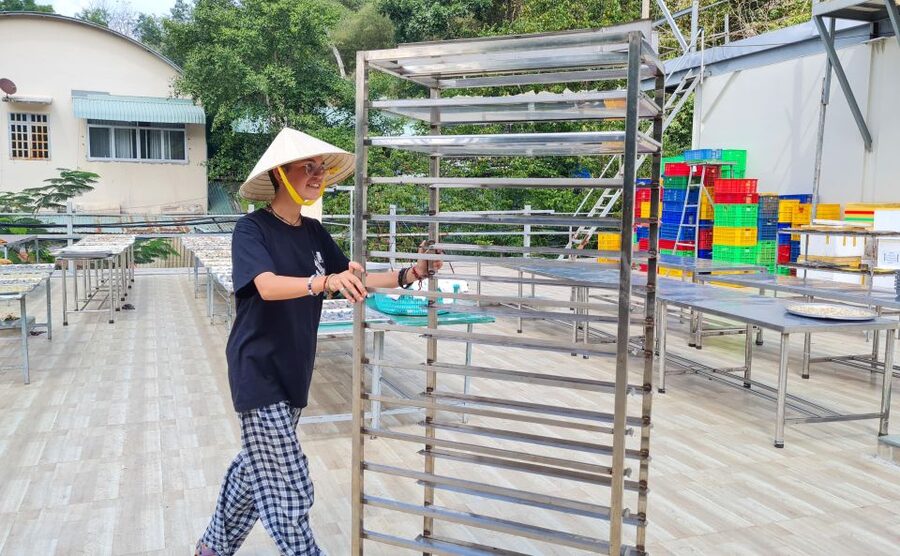
Mid-afternoon is your first main quiet block. From 14:00 to 15:00, you’ll do a meditation session. After that, the retreat shifts from “sit quietly” to “do something meaningful.” From 15:00 to 16:50, you’ll do volunteer work such as making cakes/tea/tofu or painting on fabric. This is the part that often makes retreats feel real: you’re contributing, not just consuming.
Evenings keep the loop going. From 17:00 to 18:15, you’ll have vegetarian dinner and then wash the dishes. After that, the schedule tightens: chanting runs 18:30 to 19:00. Then there’s reading time from 19:00 to 19:50, which gives your brain something gentle to hold onto before sleep.
The night closes with a ritual segment from 20:00 to 21:30, including Wholesome Seed and prostration to Buddha. After that, the plan is meditation and sleep, so the day ends where it started: with calm repetition.
What I like about Day 1’s flow
You get a clear arc: arrive, eat, sit, work, chant, reflect, then ritual and rest. It’s not chaotic, and the volunteer block is a strong bridge between “mind training” and “daily compassion.”
A potential mismatch
If what you want most is continuous, hands-on meditation instruction, this day may feel more like practice time than lesson time. The schedule includes meditation, but the overall rhythm also includes rituals, chores, and silence.
Where the Silence Happens: Meditation, Chanting, and the Wholesome Seed Ritual
The retreat doesn’t just tell you to be mindful. It builds a structured sequence around mindfulness and Buddhist ritual practice. On Day 1, you’re sitting for about an hour (14:00 to 15:00), then later you re-enter the soundscape with chanting at 18:30 to 19:00.
Chanting is one of those activities that can be either a deep anchor or an awkward, noisy hour depending on expectations. Here, it’s scheduled and solemn, so you can simply follow the rhythm and stop overthinking it.
Then comes reading (19:00 to 19:50). Even if you don’t understand every word, reading time can help you shift from “tour brain” to “retreat brain.” It’s a quiet decompression moment before the late ritual.
From 20:00 to 21:30, you’ll take part in Wholesome Seed and prostration to Buddha. Prostration can feel physically intense if you’re not used to it, but it also makes the spiritual side very concrete. Instead of talking about humility, you practice it with your body.
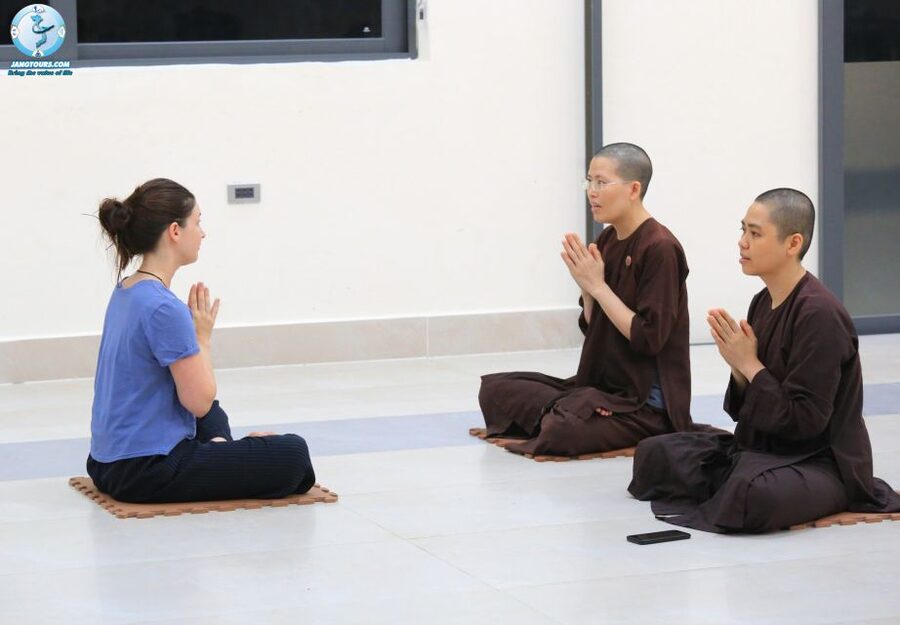
One practical expectation: meditation guidance may be limited. Some people report sitting in silence with minimal instruction, which can be frustrating if you’re hoping for constant coaching. I’d go in prepared to work with what’s there: follow the cue, sit as taught, and let the repetition do its job.
Day 2 at 4:00: Great Bell Meditation and Morning Qigong
Day 2 begins very early: 4:00 to 6:00 includes Great Bell meditation and chanting. That timing is not accidental. The early hours usually make the mind quieter, and the bell gives the whole retreat a single, sharp point to return to.
Soon after, from 6:10 to 6:50, you’ll do practice like Qigong or martial arts. This is a nice counterbalance to sitting. Instead of only training attention, you also move the body, which can help if your legs or back get restless.
Breakfast follows from 7:00 to 7:20. Then you’re back to work mode: 7:30 to 10:30 is another volunteer block. Depending on what’s planned, you may make cakes/tea/tofu, paint on fabric, or pick vegetables. The mix of tasks keeps the day from feeling repetitive while still staying within the retreat’s discipline.
Lunch is around 11:00 to 11:30, and by 12:00 you head back toward Ho Chi Minh City. This is a short retreat, so there’s little slack time. You’ll get value from the schedule only if you’re willing to match its pace.
Day 2’s biggest benefit
The second morning often feels more powerful than the first because you’re not starting from zero anymore. You’ve already learned the rhythm of chanting, the feel of the work block, and the way the day is organized.
Monks and Nuns in Your Daily Routine: What You Learn by Living There
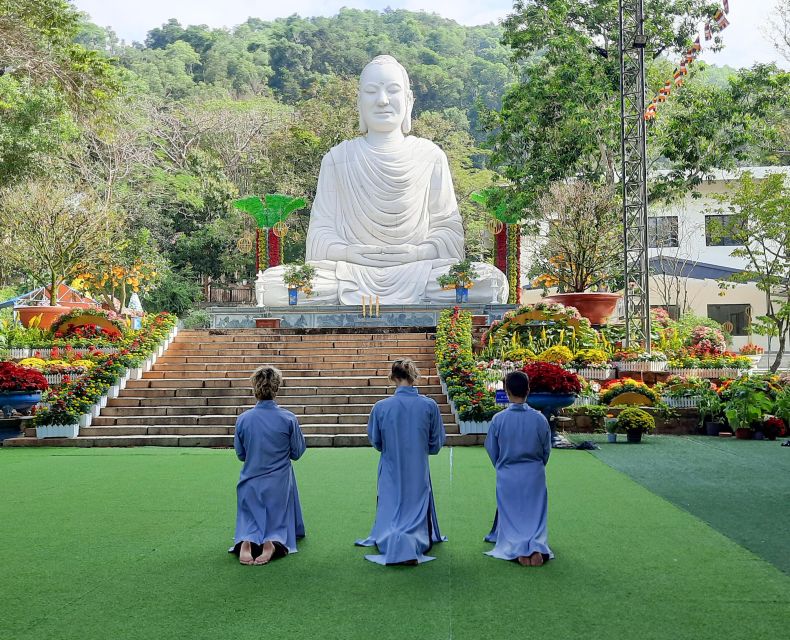
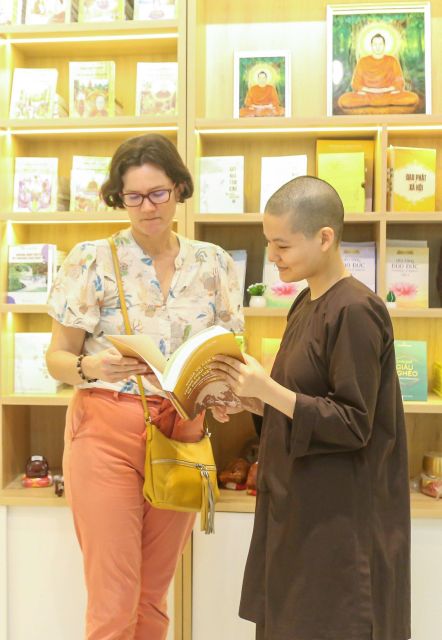
One of the most compelling parts of this retreat is the chance to live alongside monks and nuns. You’re not just touring a spiritual site. You’re sharing the space and participating in the daily cadence that shapes monastic life.
That changes the “authenticity” factor in a practical way. It can be easier to stay focused when everyone around you is moving with a purpose. You wash dishes because it’s part of the routine. You volunteer because it’s expected. You join chanting because that’s how the day is built.
There’s also a cultural moment to be ready for: signage about security and behavior. You might see posted warnings such as pickpocket cautions and notes about types of behavior that aren’t welcome. Take it seriously, even if you’re not causing trouble. Keep your belongings secure and follow rules without arguing.
Food, Dress, and Daily Etiquette: How to Fit In Fast
This retreat is full board with vegetarian food included. That covers lunch and dinner on Day 1, breakfast and lunch on Day 2, and you’ll also do dishwashing as part of the community routine.
Dress guidance is clear: bring a long-sleeved shirt and long pants. This is about respectful participation as much as comfort. If you show up in casual “I’m sightseeing” clothes, you may feel out of place quickly.
Rules also matter. Alcohol and drugs are not allowed, and fireworks are not allowed. If you like bringing little “souvenir” snacks or drinks to unwind, this isn’t that kind of retreat. Keep it clean, simple, and focused.
Price and Value: Is $80 a Good Deal for a 2-Day Pagoda Retreat?
At $80 per person for 2 days and 1 night, the price can be fair, especially because the retreat includes:
- local guide on the spot
- full board vegetarian meals
- accommodation in the pagoda
- entrance fees
What isn’t included matters just as much: transportation to and from the pagoda isn’t listed as included, and pickup/drop-off guide isn’t included. Since the pagoda is about 100 km out of the city, you’ll want to budget time (and money) for that ride.
Here’s the honest value picture. If you’d otherwise pay for a guide, meals, and basic accommodation, the $80 looks more solid. If you were hoping the money buys extensive 1-on-1 coaching, it might feel thin. The schedule contains meditation and rituals, but instruction time isn’t described as long or intensive.
Also, check assumptions about what the pagoda offers outside the retreat package. Some feedback points out that pagoda stays can be free on their own, which can create confusion about what your payment covers. I’d message ahead and ask exactly what the retreat fee includes in practice, especially around meals, accommodation, and teaching.
My take
For the right traveler, $80 is a bargain because you’re getting a full schedule of practice, food, and a real monastic-life experience without planning it yourself. For someone expecting a more “guided meditation teacher all day” style program, $80 might feel steep unless you verify expectations first.
Who Should Book This Retreat (and Who Might Hate It)
This retreat fits best if you want a structured, Buddhist-influenced routine where work, chanting, and meditation all matter. It’s especially good if you’re curious about monastic life and don’t mind communal sleeping arrangements and simple facilities.
It may not suit you if any of these are true:
- you strongly want step-by-step meditation guidance throughout the sitting periods
- you get easily stressed by silence with limited coaching
- you expect hotel-level privacy or quiet
Also, it’s not suitable for wheelchair users. It’s also not suitable for people with altitude sickness. If you’re unsure about medical fit, don’t assume anything. Ask before you book.
Language-wise, the instructor is English, and the program is in English, which helps if you’re new to Buddhist practices.
Practical Tips Before You Go
A few details can make or break the experience:
- Pack the right clothes: long-sleeved shirt and long pants.
- Bring patience for early mornings: Day 2 starts at 4:00.
- Expect communal living: your sleeping arrangement can be shared, with mats rather than private bedding.
- Follow the retreat’s behavior rules: no alcohol, no drugs, and keep your conduct respectful.
- Secure your belongings: you may see posted reminders about pickpocket risk, so keep wallets and phones close.
- Ask what you’ll receive in meditation instruction: if you want heavy coaching, confirm what guidance looks like in practice.
If you’re the type who needs constant answers, send a quick message to clarify how meditation is taught and how much individual feedback you can expect. It’s easier than arriving and feeling disappointed.
Should You Book? My Honest Recommendation
I’d recommend this retreat if you want an authentic pagoda-centered schedule with meditation, Buddhist rituals, and real volunteer work. The value comes from the whole package: vegetarian meals, pagoda accommodation, and a day-by-day structure that pulls you into a monastic rhythm.
I’d hesitate if you’re booking mainly for guided meditation instruction. Based on what people describe about the meditation setup and how much guidance is offered, this can feel more like practice time than a teaching workshop.
If you decide to book, do it with your eyes open: confirm what your fee covers, especially around accommodation and instruction, and commit to the routine even when it’s quiet or physically simple. For the right mindset, this isn’t a luxury break. It’s a focused, meaningful pause from the noise.
FAQ
Where does the retreat take place?
It takes place at Thien Ton Phat Quang Pagoda (also written as Phat Quang Pagoda / Thien Ton Phat Quang Pagoda), about 100 km from the Ho Chi Minh City center.
How long is the retreat?
The retreat lasts 2 days and 1 night.
What does the retreat cost?
The price is $80 per person.
What’s included in the price?
Included are a local guide on the spot, full board vegetarian food, accommodation in the pagoda, and entrance fees.
What’s not included?
Transportation to and from the pagoda is not included, and a pickup/drop-off guide is not included.
Is the instruction offered in English?
Yes. The instructor and the retreat language are English.
What kind of food should I expect?
You’ll have vegetarian meals throughout the program, including lunch and dinner on Day 1 and breakfast and lunch on Day 2.
What should I wear or bring?
Bring a long-sleeved shirt and long pants.
Are there any restrictions?
Yes: no alcohol and no drugs, and no fireworks.
Who can’t participate?
It’s listed as not suitable for wheelchair users and not suitable for people with altitude sickness.
What’s the cancellation policy?
Free cancellation is available up to 24 hours in advance for a full refund, and you can reserve now and pay later.