REVIEW · HO CHI MINH CITY
Ho Chi Minh City – Meditation retreat – 3 days 2 nights
Book on GetYourGuide →Operated by JANGTOURS · Bookable on GetYourGuide
The morning bell sets the tone fast here. You’ll spend 3 days and 2 nights at Thien Ton Phat Quang Pagoda, doing guided mindfulness meditation, chanting, and Buddhist study in a monk-run rhythm.
I love how the retreat teaches a focused correct meditation method and how you live alongside monks and nuns, not just watch from the sidelines. One possible drawback: the days are tightly scheduled, so you may not get much time to simply roam the grounds and gardens.
If you like structure, early starts can feel purposeful. You’ll get full-board vegetarian meals, accommodation at the pagoda, English instruction, and a calm routine with clear rules about respect and silence.
In This Review
- Key things that make this retreat worth your time
- Where Thien Ton Phat Quang Pagoda fits on your Vietnam map
- The retreat rhythm: meditation plus doctrine plus real chores
- Day 1: Ho Chi Minh City to Phat Quang Pagoda, then chanting and reading
- Day 2: Great Bell meditation, qigong/martial art, and more hands-on work
- Day 3: Closing chants and the final volunteer block before heading back
- Meals and accommodation: full-board vegetarian, plus dish-washing reality
- The spiritual practice: how meditation, chanting, and prostration work together
- Volunteer work as “practice with your hands”
- Rules and packing tips: how to respect the space without overthinking it
- Price and value: what you get for $99 per person
- Who this retreat is best for (and who might find it tough)
- A few smart expectations to keep the retreat enjoyable
- Should you book the 3-day Ho Chi Minh City meditation retreat?
- FAQ
- What is the duration of this retreat?
- Where does the retreat take place?
- Is transportation included?
- How far is the pagoda from Ho Chi Minh City center?
- Are meals included?
- Is accommodation included?
- What language is the instruction?
- What activities are included besides meditation?
- Are there dress or conduct rules?
- Can I request pick-up or drop-off services?
Key things that make this retreat worth your time
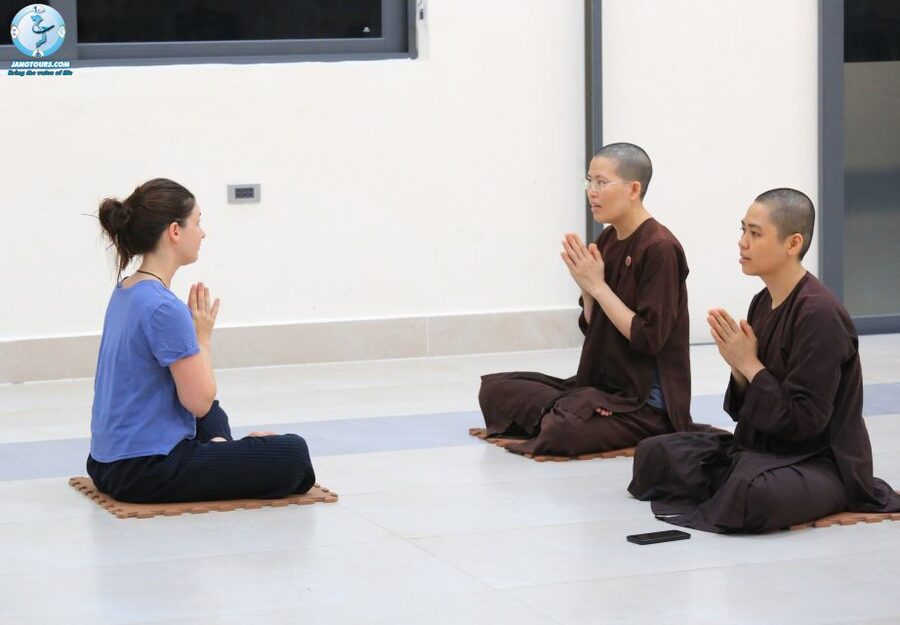
- Monastic-life immersion: you live alongside monks and nuns and follow their daily rhythm
- Guided meditation sessions: mindfulness practice plus chanting-centered periods
- Great Bell mornings: early meditation and chanting from 4:00 to 6:00
- Hands-on volunteering: make cakes/tea/tofu, paint fabric, and help with picking vegetables
- Qigong and martial art practice: a morning session that complements meditation
- Daily rituals like prostration: repeated, solemn practice designed to steady the mind
Where Thien Ton Phat Quang Pagoda fits on your Vietnam map
This retreat is based at Thien Ton Phat Quang Pagoda near Vung Tau, about 90 km from Ho Chi Minh City center. In practical terms, plan for a long ride both at the start and end of your stay, because the whole schedule expects you to settle in and flow with the retreat timing.
The setting matters. A pagoda retreat like this works best when you give up “tour mode.” If you’re coming in hoping for lots of sightseeing, the tight ritual schedule will feel more like a training camp than a casual weekend.
You can also read our reviews of more tours and experiences in Ho Chi Minh City.
The retreat rhythm: meditation plus doctrine plus real chores
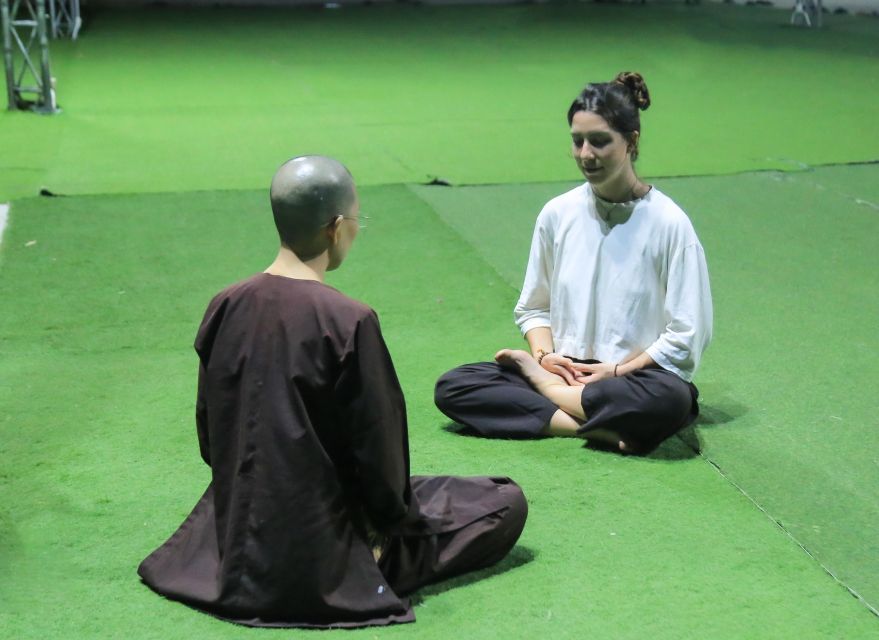
The core promise here is mindfulness meditation and Buddhist teachings, practiced in a daily loop. You also study profound Buddhist doctrines and take part in solemn Buddhist rituals, so the experience isn’t only “sit and breathe.”
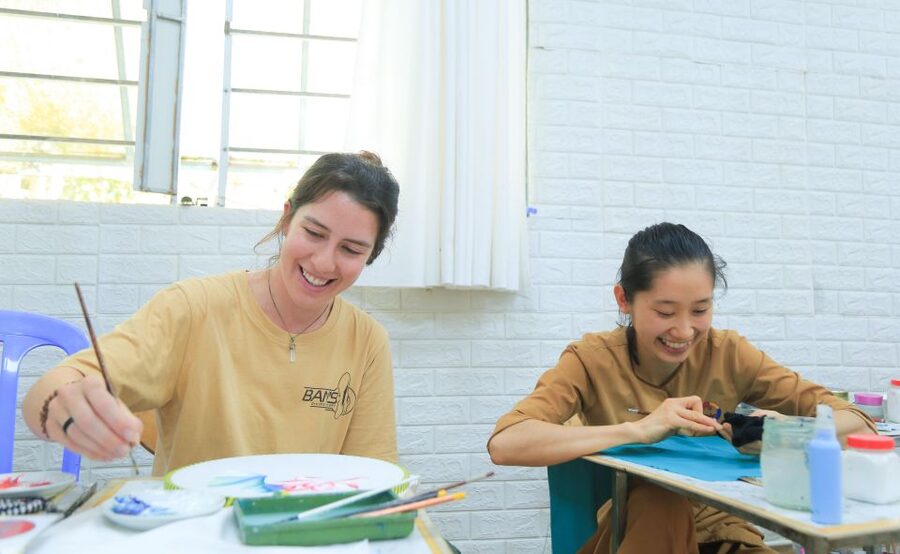
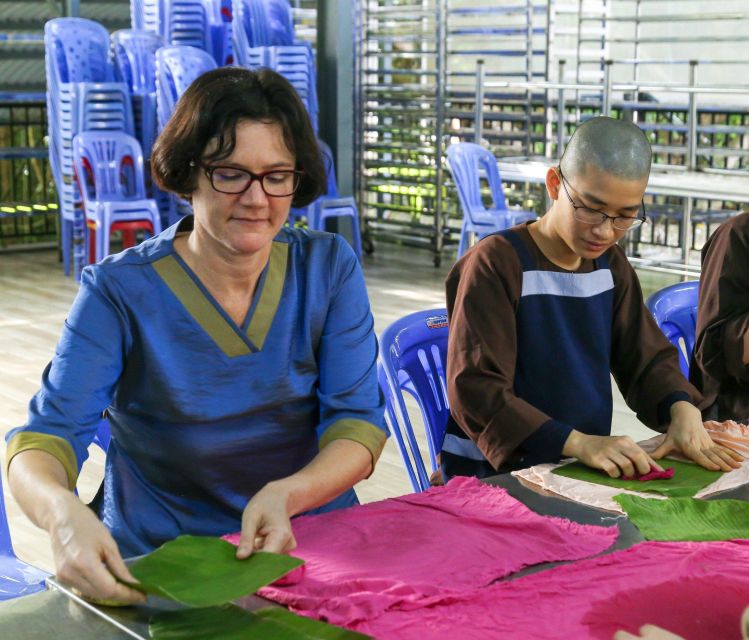
What makes it feel grounded is the volunteering. You’ll help with tasks like making cakes/tea/tofu or painting on fabric, and you may also pick vegetables. It’s not random busywork—it gives your mind a steady job to do, which supports calm attention off the cushion.
Day 1: Ho Chi Minh City to Phat Quang Pagoda, then chanting and reading
Your first morning starts with a transfer from Ho Chi Minh City toward Vung Tau and then to the pagoda. It runs roughly 7:30 to 10:30, so expect a real travel block before anything “spiritual” begins.
After you arrive, you’ll have vegetarian lunch (11:00–11:30). This is a good time to settle your energy. A full-board vegetarian setup means you won’t be searching for food after the ride.
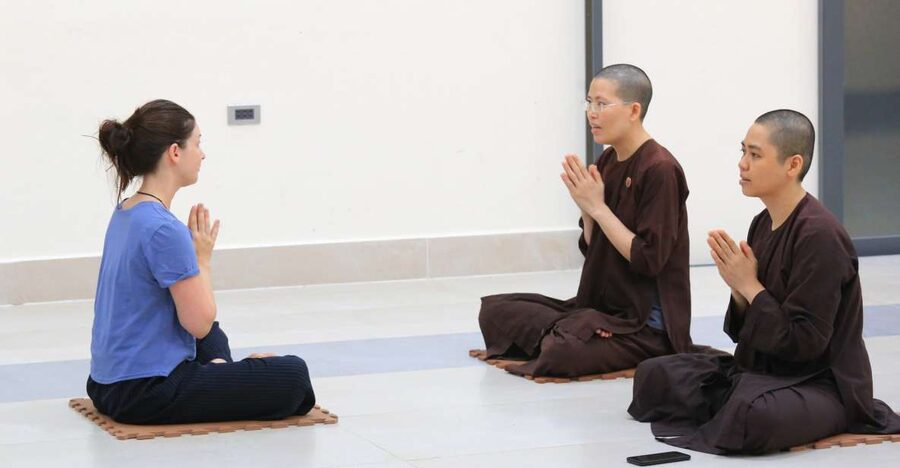
Your first meditation block is 14:00 to 15:00. This is the time slot where you’ll start learning the correct technique of meditation as it’s taught within the retreat structure. Don’t overthink it—show up, follow instructions, and let the practice build over the full 3 days.
Then comes the volunteer session: 15:00 to 16:50. You might help make cakes/tea/tofu, paint fabric, or similar hands-on activities. I like this kind of design because it turns the day into something active, not just reflective.
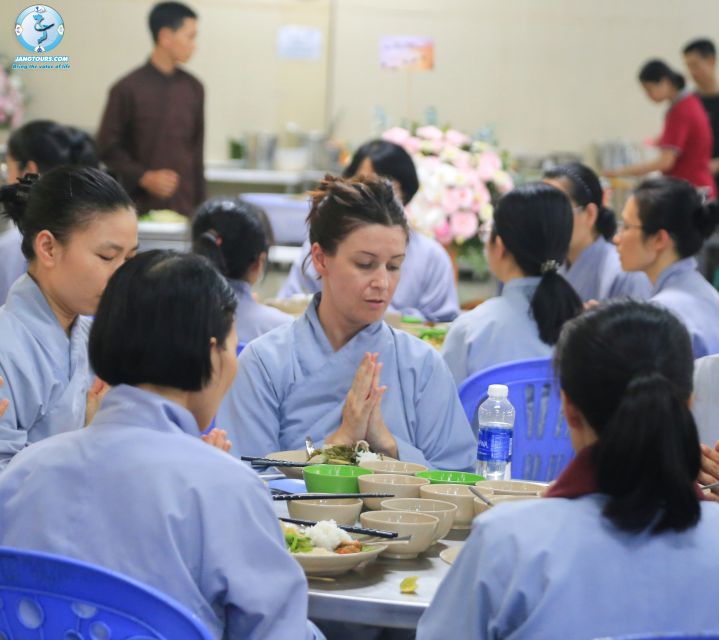
Later, you’ll join vegetarian dinner (17:00–18:15) and help with washing dishes. The retreat keeps you involved, which can be a relief if you find “quiet time” awkward.
The evening continues with chanting (18:30–19:00), reading books (19:00–19:50), and a longer period that includes the wholesome seed activity. The night ends with prostration to Buddha, then meditation and sleep (starting around 20:00 and running through 21:30).
Practical note: Day 1 feels like a “full reset.” After a long transfer, your schedule will still be busy, so keep your arrival-day expectations simple.
Day 2: Great Bell meditation, qigong/martial art, and more hands-on work
Day 2 is where the retreat really locks in. You start with Great Bell (4:00–6:00) for meditation and chanting. Even if you’re not a morning person, this timing is part of the training—your attention learns to settle quickly when the mind is still waking up.
Then you have qigong / martial art (6:10–6:50). This pairs well with mindfulness. Instead of only training your mind, you also coordinate your body with calm focus—useful if you get restless during seated sessions.
Breakfast follows from 7:00 to 7:20. After that, volunteering runs 7:30 to 10:30. You may make cakes/tea/tofu or paint fabric again, and you might also help with picking vegetables.
You’ll have lunch (11:00–11:30). Keep your posture and your energy in mind after a morning full of tasks. This is a good day to avoid trying to “push through” tiredness.
Afternoons are quieter but still structured. You’ll do another meditation session (14:00–15:00), then another volunteer or cooking-focused block 15:00–16:50. The retreat includes options like making cakes/tea/tofu/cooking, so you’re not just repeating the exact same chore.
Dinner and dishes are again 17:00–18:15, followed by chanting (18:30–19:00) and reading (19:00–19:50). The night ends with prostration to Buddha, then meditation and sleep (around 20:00–21:30).
What I like about Day 2: it doesn’t just stack activities. It repeats key forms—meditation, chanting, volunteering, ritual—so you can feel yourself improve and stabilize.
Day 3: Closing chants and the final volunteer block before heading back
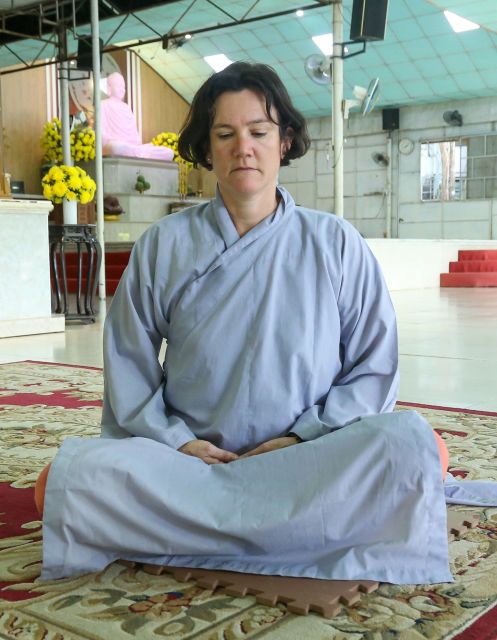
Your last day begins the same way: Great Bell (4:00–6:00) for meditation and chanting. Repetition is the point here. By Day 3, you can spend less energy guessing what to do and more energy noticing how your mind responds.
Next is qigong / martial art (6:10–6:50), then breakfast (7:00–7:20). After that, volunteering is again on the schedule from 7:30 to 10:30, with tasks similar to earlier days (making cakes/tea/tofu, painting fabric, or picking vegetables, depending on what’s needed).
You’ll have lunch (11:00–11:30). Then the retreat winds down and you’ll transfer back to Ho Chi Minh City by 12:00.
This is a big moment: you leave right after lunch. So plan for a smooth transition back to city life—keep an easy day afterward. Don’t schedule heavy meetings or long parties the same night if you want the retreat effect to last.
Meals and accommodation: full-board vegetarian, plus dish-washing reality
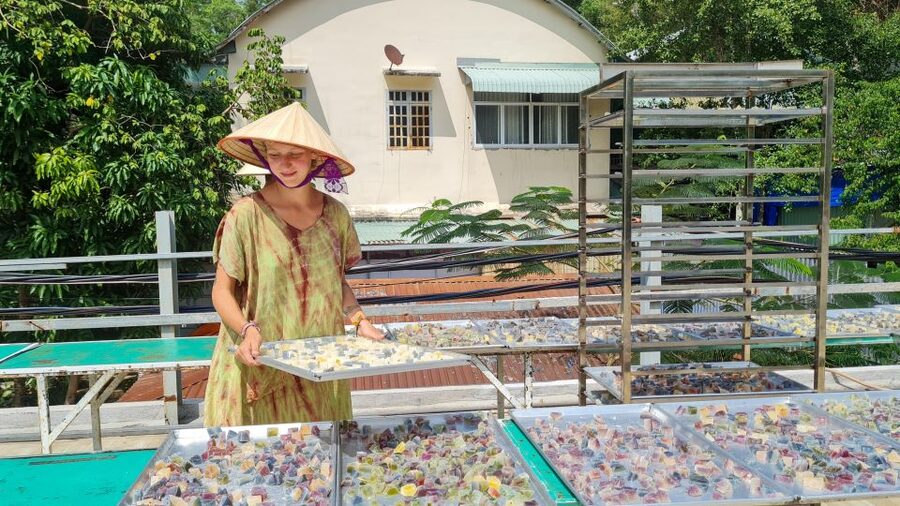
The retreat includes full board vegetarian food and accommodation at the pagoda. That matters for comfort because you won’t be spending your limited retreat energy deciding where to eat or what to cook.
You’ll eat vegetarian lunch and dinner, and you’ll also help with washing dishes after meals. It’s a small chore, but it supports the retreat logic: practice isn’t only on the cushion. It’s also how you show up for ordinary tasks without complaint.
If you’re sensitive to long quiet stretches, you’ll still find things to do. Between meditation blocks, chanting, reading, and volunteering, your day has structure—but it’s still calm and grounded.
The spiritual practice: how meditation, chanting, and prostration work together
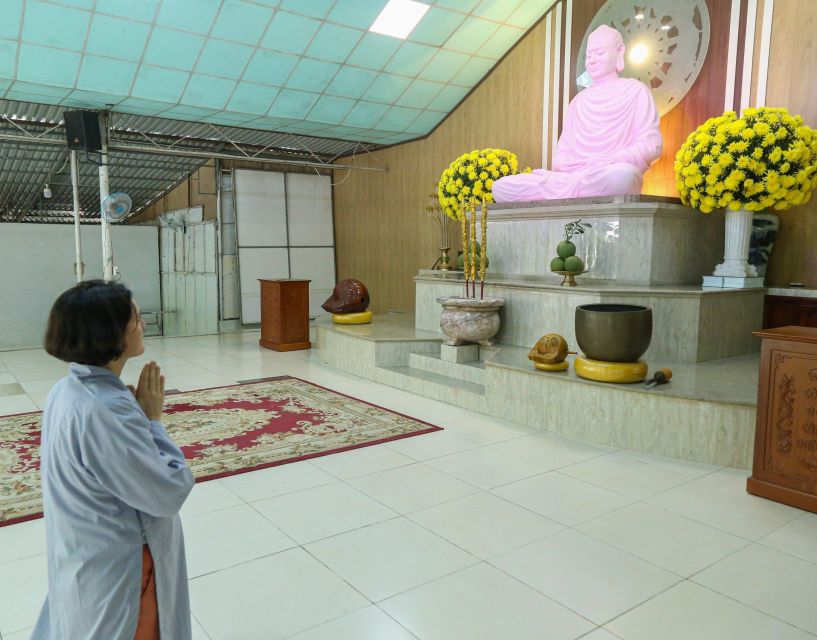
This retreat focuses on learning the correct method of meditation and understanding profound Buddhist doctrines. The practice is not only one sitting. It’s a full day of supporting activities.
You’ll do mindfulness meditation sessions in the mid-afternoon (like 14:00–15:00 on both Day 1 and Day 2), plus meditation during the Great Bell periods. Chanting appears at key transitions in the evening—like 18:30–19:00—which often helps your mind shift from activity into reflection.
You’ll also take part in prostration to Buddha, repeated at night on Days 1 and 2, and you’ll meditate again afterward. The repetition can feel formal, but that’s the point. You’re training your attention to stay steady during ritual, not just during “comfortable” meditation moments.
Even the reading books time matters. The retreat is saying: to meditate well, you also study the teachings behind the practice.
Volunteer work as “practice with your hands”
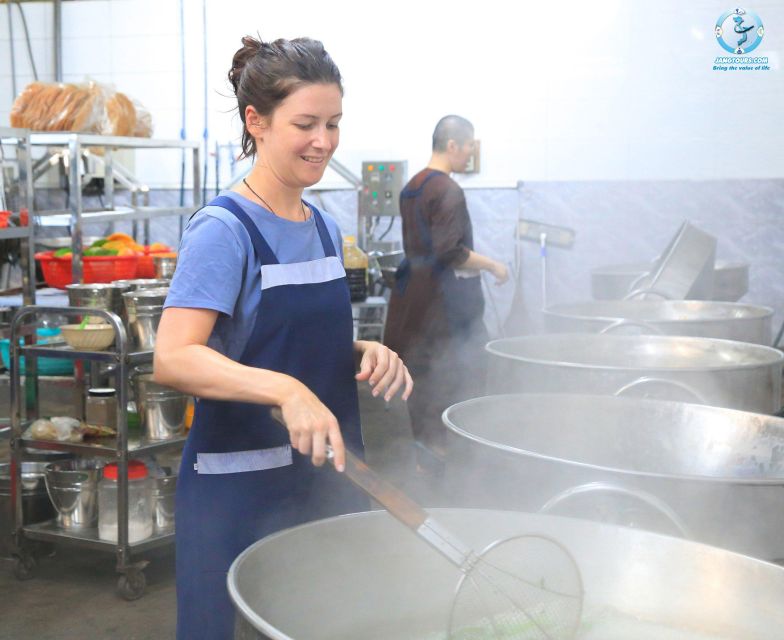
The volunteering is one of the strongest features because it turns spiritual effort into something tangible. You might help make cakes/tea/tofu, paint on fabric, and on some mornings you’ll help with picking vegetables.
This kind of work can be calming if you treat it gently. You’re not trying to multitask your way through it. You focus on the task, notice the sensations, and keep your mind from running wild.
From a practical travel perspective, it also helps you integrate with the community. You spend less time worrying about what to do and more time learning by helping. That’s often when the retreat starts to feel personal.
Rules and packing tips: how to respect the space without overthinking it
The retreat has clear behavior guidelines. You should not wear short skirts, you should avoid alcohol and drugs, and you should not make noise.
So pack simple, modest clothing. Long pants or long skirts and a comfortable top are safe bets. If you’re traveling from Ho Chi Minh City, you’ll likely be in heat anyway—choose breathable fabric that still respects the dress rule.
Also expect an environment where quiet is part of the rhythm. Even if you’re not in full silence, you’ll benefit from keeping your voice low and moving slowly around the pagoda spaces.
Price and value: what you get for $99 per person
At $99 per person for a 3-day, 2-night retreat, you’re paying for more than “a meditation class.” This price includes a lot of the logistics that normally add up:
- A local guide on the spot
- Accommodation at the pagoda
- Full board vegetarian meals
- Entrance fees
- English instruction
What’s not included is the big travel piece: transportation to/from the pagoda. The data says it’s about 90 km from Ho Chi Minh City center, roughly 2.5 hours from the city center, and you’re staying in a rural/retreat setting. So you should budget for that ride unless you arrange a pick-up service.
If you want maximum value, treat the retreat as the main event for those days. You’ll get the most from the included meals, lodging, and structured practice if you don’t try to add lots of city detours.
Who this retreat is best for (and who might find it tough)
This retreat fits you best if you want disciplined practice and a real sense of monastic life. If you like routines, you’ll probably enjoy the predictable flow: early bell, qigong, volunteering, meditation, chanting, reading, ritual, and sleep.
It’s also a strong choice if you’re curious about Buddhism beyond buzzwords. You’ll learn about doctrine and participate in rituals like prostration, not just sit quietly and call it done.
If you hate early mornings or need lots of free time to roam nature, this schedule may feel demanding. You may end up wishing for more time to wander the grounds and gardens, since the day is packed with sessions and chores.
A few smart expectations to keep the retreat enjoyable
Go in expecting repetition. Great Bell mornings repeat the same pattern three days in a row, and ritual elements come back nightly. That repetition helps, but only if you stop looking for variety.
Keep your mind friendly. Meditation sessions and chanting are structured, but how you experience them depends on your attitude. If you fight every difficult moment, you’ll feel more strain than benefit.
Finally, show up for volunteering. You’ll learn faster and feel more connected when you help with the tasks, even if you’re not skilled at cooking or crafting.
Should you book the 3-day Ho Chi Minh City meditation retreat?
Book it if you want a structured mindfulness retreat with Buddhist teachings, ritual practice, and daily volunteering—all while living alongside monks and nuns. At $99 with accommodation, vegetarian meals, and instruction included, it’s good value as long as you’re ready for the pagoda rhythm.
Skip it or ask more questions if you’re traveling for lots of sightseeing, long walks, or a relaxed schedule. The retreat is designed to train attention, not to provide free roaming time. If you like calm discipline over flexibility, you’ll likely be very happy with this one.
FAQ
What is the duration of this retreat?
It’s a 3-day program with 2 nights of accommodation at the pagoda.
Where does the retreat take place?
The retreat is at Thien Ton Phat Quang Pagoda, near Vung Tau, with transfers between Ho Chi Minh City and the pagoda.
Is transportation included?
No. Transportation to and from the pagoda is not included. Pickup and drop-off can be arranged by contacting the provider.
How far is the pagoda from Ho Chi Minh City center?
It’s about 90 km from Ho Chi Minh City center and roughly 2.5 hours from the city center.
Are meals included?
Yes. Full board vegetarian meals are included, including vegetarian lunch and dinner, plus breakfast.
Is accommodation included?
Yes. Accommodation is included as part of the retreat stay at the pagoda.
What language is the instruction?
The instructor provides instruction in English.
What activities are included besides meditation?
You’ll also do chanting, read Buddhist books, practice qigong/martial art, participate in prostration to Buddha, and do volunteer work such as preparing foods or painting fabric.
Are there dress or conduct rules?
Short skirts are not allowed. Alcohol and drugs are not allowed, and you should not make noise.
Can I request pick-up or drop-off services?
Yes. If you want pick-up or drop-off, contact the provider via email or WhatsApp to arrange it.