REVIEW · CHIANG MAI
Chiang Mai: 3 Day Meditation, Yoga & Cultural Retreat
Book on GetYourGuide →Operated by Flow Yoga Chiang Mai · Bookable on GetYourGuide
Silence, yoga, and Thai meals in the rice fields. This 3-day retreat in Chiang Mai Province starts with you listening to a stream and letting the day slow down around mindfulness and movement.
I love the small group approach with English instruction from Amori, with real attention during meditation and yoga, not just a handout and good luck. One thing to weigh: it’s a quiet, family-style setting about 40 minutes from the city, and you won’t get big add-ons like waterfalls, night markets, or elephant sanctuary visits.
Key things to know before you go
- Small group of up to 6 means you’re more likely to get individualized guidance during mindfulness and yoga.
- Buddhist-culture meditation focuses on how to meet challenges and work toward healing, not just relaxation.
- Yoga every day includes both morning and evening sessions, with sequences chosen to keep you safe.
- Rice fields and temple time build a very local Chiang Mai rhythm, including visits to local temples and a farmers market.
- Vegetarian Thai meals are a highlight, with home-cooked food prepared by Amori’s family.
In This Review
- A quiet Chiang Mai reset in the rice-field countryside
- The 3-day rhythm: meditation, yoga, and breathing room
- Day 1: arrival, nature time, then evening movement
- Day 2: morning practice, lunch break, then optional meditation
- Day 3: repeat the practice, then head home
- Buddhist-culture mindfulness: learning to meet what comes up
- Yoga sessions that are tough, but not careless
- Temple visits, rice fields, and a farmers market (more local, less staged)
- Food that turns the retreat into a real reset
- Accommodation and Wi-Fi: simple, safe, and quiet
- Getting picked up, then letting someone else run the logistics
- Price and value: what $514 buys you in the real world
- Who should book this retreat, and who might not love it
- Booking tips to match your goals
- Should you book this Chiang Mai meditation and yoga retreat?
- FAQ
- FAQ
- How long is the retreat?
- Where does this take place?
- What’s the group size?
- Is the instruction offered in English?
- What activities are included each day?
- What meals are provided?
- What cultural activities are part of the experience?
- Is accommodation included?
- Do you get pickup and drop-off?
- What isn’t included?
A quiet Chiang Mai reset in the rice-field countryside
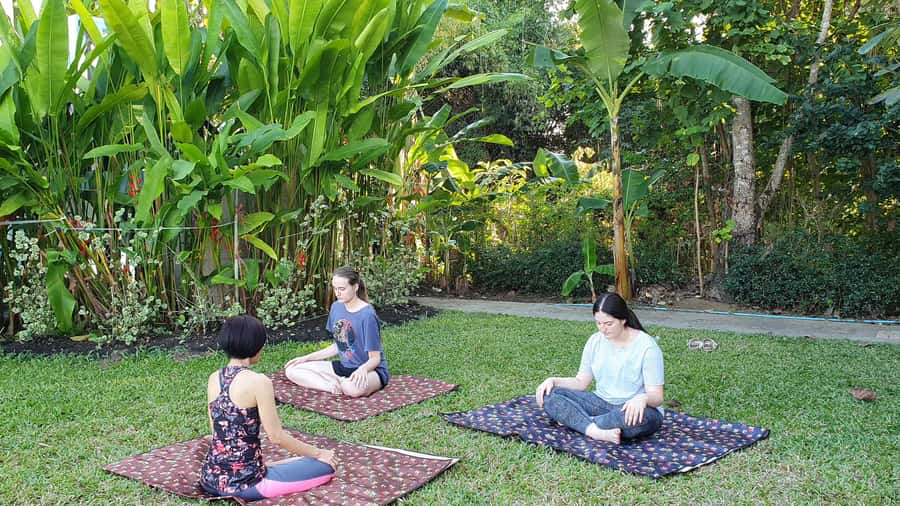
If you’re tired of travel that’s all checklists, this retreat offers a different kind of Thailand. The setting is rural Chiang Mai Province: rice fields, a naturally flowing stream, and nature sounds that do the job most resorts try to fake with spa music.
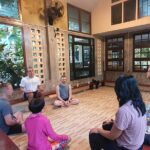
This is also a calm setup for learning. The group is limited to 6, and instruction is in English, so you’re not stuck playing “guess the cue” while everyone else moves on. Instead, you can ask questions during the rhythm of the retreat and actually understand what you’re doing.
One more practical upside: the retreat isn’t aiming for flashy tourism. It trades big attractions for steadier, repeatable practice—meditation and yoga daily, plus Thai cultural time that feels lived-in rather than staged.
The 3-day rhythm: meditation, yoga, and breathing room
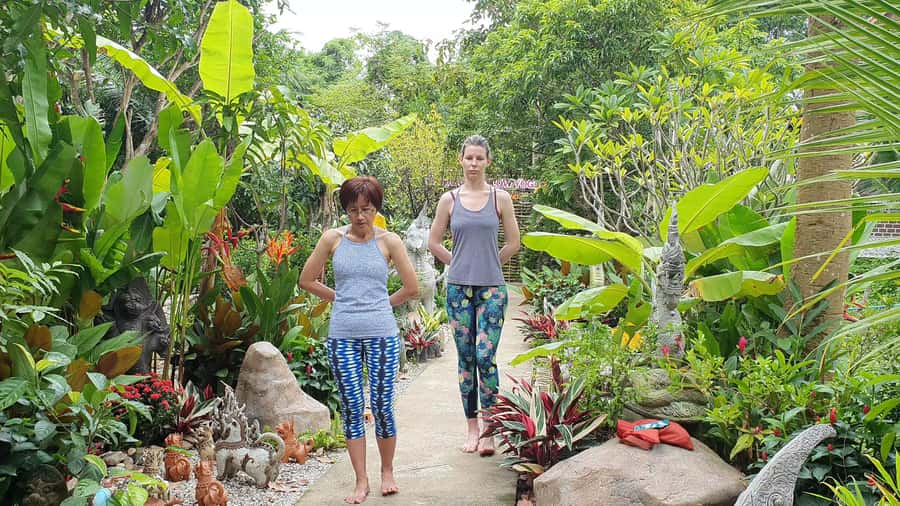
The schedule is structured, but it’s not frantic. You get morning and evening sessions for mindfulness and yoga, plus built-in gaps so your mind can catch up.
Here’s what the day-to-day flow looks like, with times you can plan around:
You can also read our reviews of more tours and experiences in Chiang Mai.
Day 1: arrival, nature time, then evening movement
You check in at 14:00, then you get a slower start with relaxing time in nature from 14:30 to 16:00. At 16:00, the retreat switches into mindfulness and meditation for an hour, then you move into evening yoga from 17:00 to 18:00.
This first day is about landing—arriving, taking a breath, and letting your body remember it can soften.
Day 2: morning practice, lunch break, then optional meditation
Day 2 starts early with a healthy breakfast from 08:00 to 08:30. From 09:00 to 10:00, you do morning mindfulness and meditation, followed by morning yoga from 10:00 to 11:00.
Then you shift into the part I’m glad they include: a real break. Lunch runs 12:30 to 13:30, and you have free time to rest, explore, or just sit quietly. There’s another mindfulness and meditation session in the late afternoon, 16:00 to 17:00, but it’s labeled as optional, which matters if you want the retreat to feel supportive—not mandatory.
You finish the day with evening yoga from 17:00 to 18:00.
Day 3: repeat the practice, then head home
Day 3 follows the same morning structure: breakfast 08:00 to 08:30, mindfulness 09:00 to 10:00, and yoga 10:00 to 11:00. Lunch is 12:30 to 13:30, and then the retreat ends with checkout at 14:00.
That ending timing is helpful if you’re staying somewhere in the city or heading to your next stop without needing a late-day scramble.
Buddhist-culture mindfulness: learning to meet what comes up
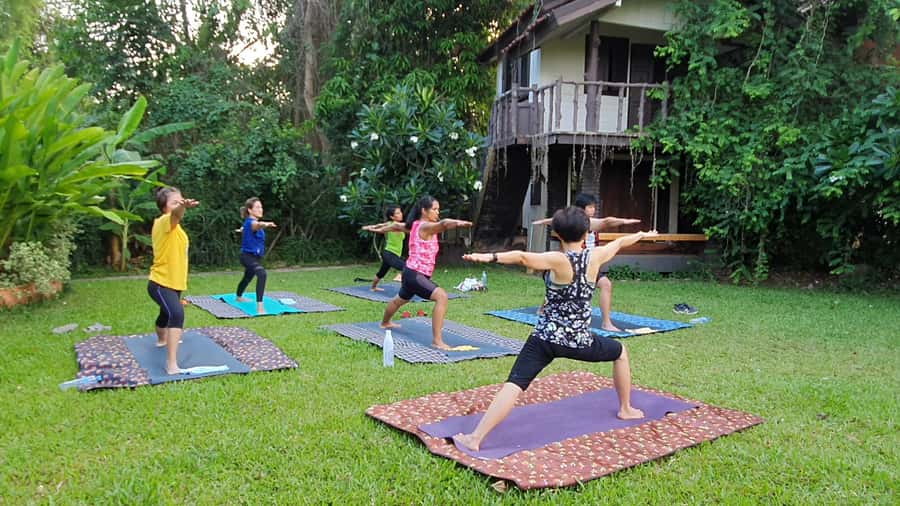
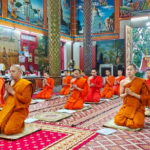
The retreat’s meditation side is rooted in Buddhist culture and daily mindfulness and meditation practices. That sounds formal, but it’s actually one of the most practical parts of this experience. Instead of meditation being treated as a novelty activity, it’s presented as a way to work with real-life friction—stress, avoidance, and the mental habit of running from discomfort.
The theme matters: they talk about meeting challenges, inviting integration, and achieving healing. In normal tour travel, you see problems as something to escape. Here, the practice is about learning how to stay present with them.
A couple of small-but-important teaching clues show why this works:
- The instruction is calm and sincere, with deep understanding of both yoga and Vipassana-style traditions.
- Amori is patient with beginners. One review described this as a first meditation practice, with careful guidance that didn’t assume you already knew how to sit, breathe, or focus.
So if you’re coming for peace, you’ll likely find it. And if you’re coming because you want tools for your mind back home, you should find those too.


Yoga sessions that are tough, but not careless
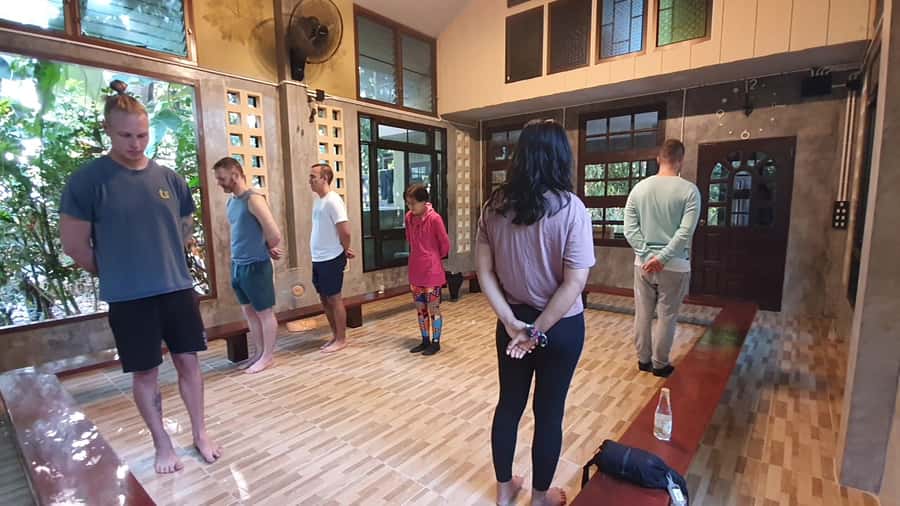
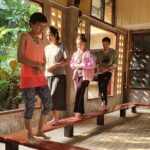
Yoga here is daily, and the emphasis is on practice quality over performance. Expect both morning and evening sessions, and expect the sequences to be serious—at least in the sense that they ask your body to work.
The key difference is that the teaching aims to prevent pain. One review specifically praised Amori for choosing sequences well so the class felt challenging without turning into an injury risk. Another said the yoga level is adapted to your level, which is a big deal if you’re not a gym-hardened flexibility hero.
What you’ll likely feel: the rural quiet and consistent schedule make it easier to notice your body. Without crowds, you can focus on alignment, breath, and how your mind reacts during effort.
Practical tip for you: bring clothing you can move in and you don’t mind getting a bit sweaty. Yoga retreats can be clean and calm, but you still want to move freely.
Temple visits, rice fields, and a farmers market (more local, less staged)
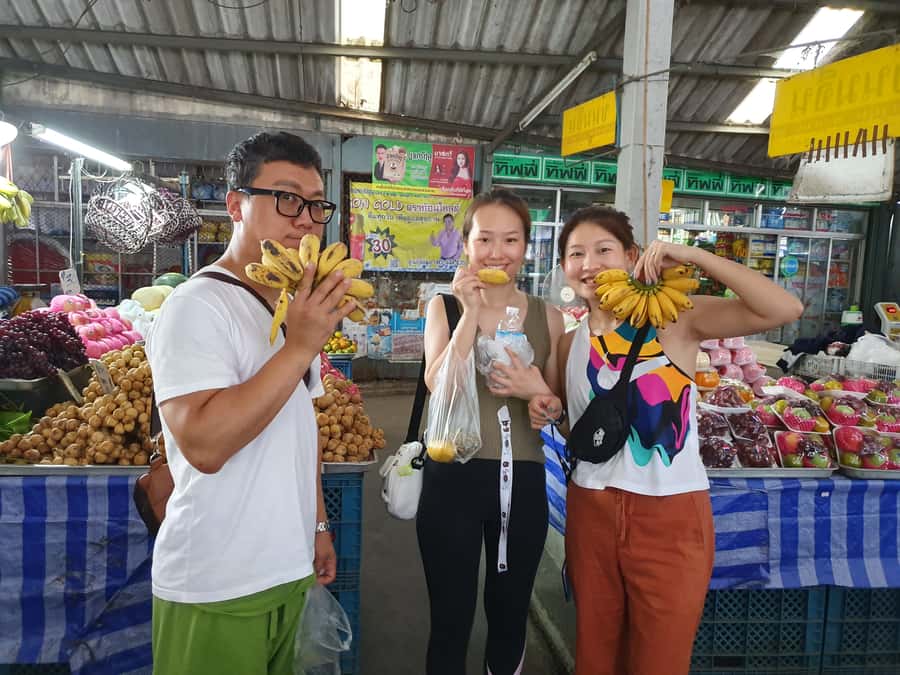
The retreat includes cultural exploration that goes beyond just a classroom explanation. You’ll explore rice fields, visit local temples, and stop at a farmer’s market.
That mix is the point. Temples give you context for Buddhist culture, while rice-field time helps you feel the setting that shaped local life. The farmers market adds something underrated: daily Thai food reality. It’s not a souvenir stop. It’s the kind of place you learn how people actually live and eat.
One review mentioned a visit to Doi Sadek temple, with Amori explaining how to pray and why. Even if your exact temple visit differs, the teaching approach is consistent: you’re not just watching. You’re learning the logic behind gestures and routines.
What’s not included is also worth understanding. There’s no waterfalls visit, no night market included, and no elephant sanctuary time. This retreat is designed to keep you in a slower, quieter flow. If your personal definition of Thailand includes big sightseeing detours, you’ll need to add those on your own.
Food that turns the retreat into a real reset
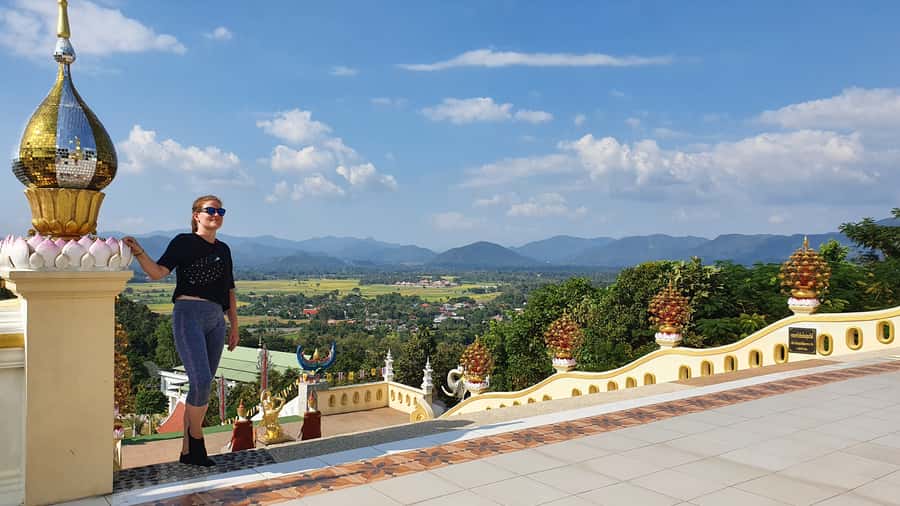
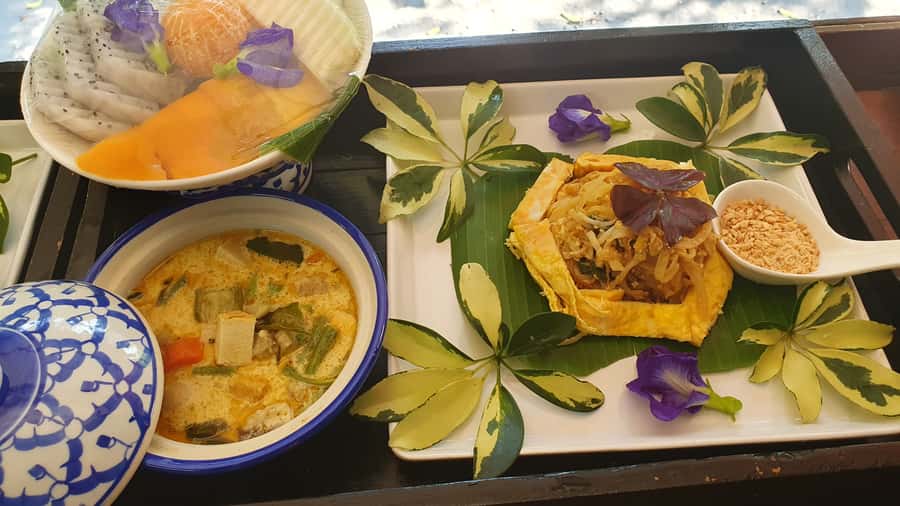
Meals are a major strength here. Breakfasts and lunches are vegetarian and described as authentic Thai dishes, prepared with home-cooked care. The retreat also explicitly calls out delicious authentic Thai cooked meals, and multiple reviews highlight how good the family food is.
This matters more than it sounds. Food is part of your nervous system reset. When meals are consistent, healthy, and not constantly interrupted by “where can we grab something quickly,” you actually get to stay with the retreat rhythm.
Also: there’s a difference between vegetarian food and bland substitute food. The way the retreat is described—full vegetarian Thai dishes—suggests you’ll eat like you’re in Thailand, not like you’re stuck with a salad plate and polite disappointment.
One more note: the meals are served as part of the daily structure, so you’re not waiting for restaurants, bargaining, or changing plans because the schedule ran long.
Accommodation and Wi-Fi: simple, safe, and quiet
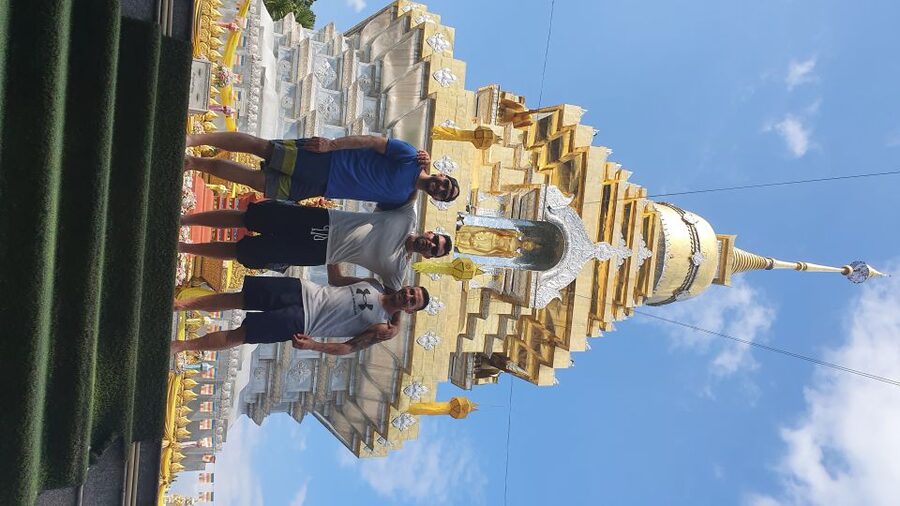
The retreat includes 2 nights of accommodation and free Wi-Fi. The setting is described as a family place, not a luxury resort. That’s not a dealbreaker—it’s a style choice.
Here’s what I’d expect you to prioritize:
- Quiet atmosphere over flashy amenities
- A home base that supports early mornings and calm evenings
- Safety and comfort through family hosting
Several reviews praised the host family for welcoming care and for cooking with love and dedication. One review also noted the retreat can feel almost like you’re alone if the group doesn’t fill, which changes the whole experience level. In that scenario, you get more attention and even more private-style classes.
If you like the idea of peace and structure more than hotel perks, you should feel comfortable with this kind of accommodation.
Getting picked up, then letting someone else run the logistics
Transportation is included as pickup and drop-off at the hotel in the city or the airport. That removes a common stress point in retreats: you don’t want your first day to become a transportation puzzle.
Time-wise, the retreat starts with check-in at 14:00 on arrival day, so you’ll want to plan flights and connections that get you to Chiang Mai with enough buffer. After checkout at 14:00 on the final day, you’ll be ready to head back toward your next leg.
Because the group is small and the schedule is daily, it’s smart to keep your plans flexible around your retreat dates. Even with transfers handled, you’ll want time for calm transitions.
Price and value: what $514 buys you in the real world
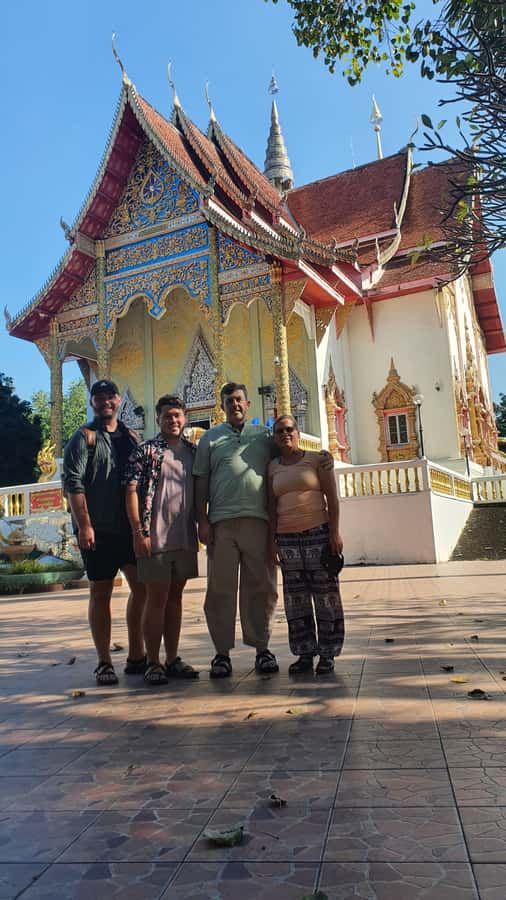
$514 per person sounds like a lot until you look closely at what’s included. Here’s what you’re paying for, beyond just “yoga and meditation”:
- Daily yoga practices
- Daily mindfulness and meditation practices in Buddhist culture
- Cultural exploration: rice fields, local temples, farmers market
- Breakfasts and lunches with full vegetarian Thai authentic dishes
- 2 nights accommodation
- Free Wi-Fi
- Pickup and drop-off at the hotel in the city or the airport
- Small-group teaching with a limit of 6 participants
- English instruction
If you tried to replicate this on your own in Chiang Mai, you’d likely spend similar money when you add accommodation + transportation + multiple classes + guided cultural visits + meals. The retreat format also reduces decision fatigue: you don’t have to design your own multi-day plan, worry about class timing, or chase cultural context.
So the “value” calculation comes down to what you want from your trip:
- If you want quiet instruction plus food plus transfers bundled together, the price makes more sense.
- If you want lots of city outings, waterfalls, night markets, and big tourist stops, this price won’t feel efficient unless you add extra sightseeing yourself.
Who should book this retreat, and who might not love it
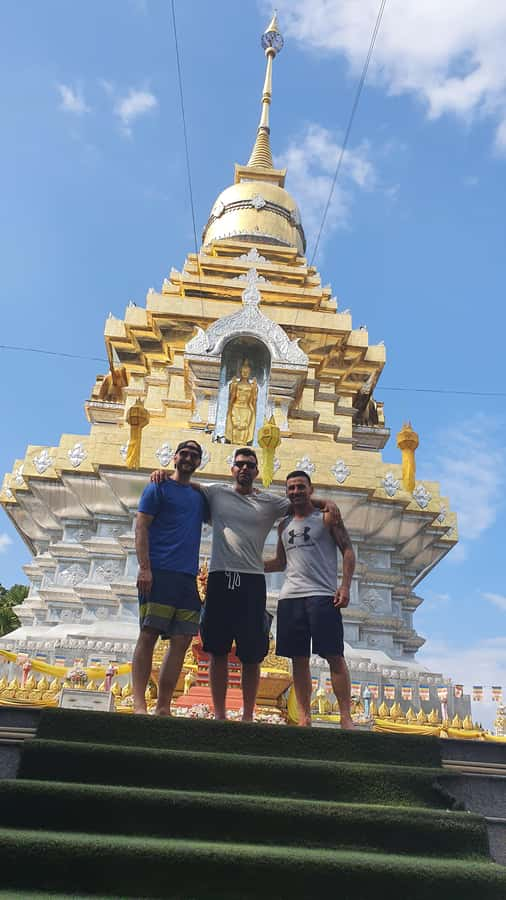
This retreat is a great fit if you:
- Want daily meditation and yoga with Buddhist-culture context
- Prefer a calm, protected environment without distractions
- Like the idea of learning from a teacher who can adapt the yoga level and guide beginners patiently
- Care about food and want authentic Thai vegetarian meals prepared at the family level
It might not be ideal if you:
- Are chasing major sightseeing hits like waterfalls or elephant sanctuary visits
- Want night market energy built into your schedule
- Need a resort-style experience with lots of amenities and constant social activity
One more suitability note: since it’s about 40 minutes from the city (based on a review), the retreat is for people who are okay leaving the city rhythm behind for a few days.
Booking tips to match your goals
Before you book, decide what you want most: practice, culture, or quiet recovery. This retreat does all three, but your priorities will shape what you notice.
To get the best fit:
- If you’re new to meditation, know that patient beginner guidance is part of the teaching style.
- If you’re new to yoga or worried about intensity, ask how they adjust sequences to your level once you confirm details with the provider.
- If your travel style includes lots of “go-go” sightseeing, plan for extra time before or after the retreat so you can add night markets or waterfalls on your own terms.
And if you’re hoping for more individualized attention, the small-group size helps. When the retreat doesn’t fill up, it can become more private, which some past participants experienced.
Should you book this Chiang Mai meditation and yoga retreat?
Yes—if you want a structured, calm escape where meditation, yoga, and Buddhist-culture learning happen daily, and where food is treated as part of the healing process. The combination of small group size, English instruction, cultural visits, and home-cooked vegetarian Thai meals makes this feel like more than a class series. It’s a three-day rhythm designed to change how your brain and body feel.
If you want a packed itinerary with waterfalls, night markets, and big wildlife attractions, you’ll probably feel constrained by what isn’t included. In that case, you’d be better off pairing this retreat with separate sightseeing days in Chiang Mai.
My practical take: book it when your goal is to slow down and learn. Book it when you want to bring home a repeatable practice, not just photos.
FAQ
FAQ
How long is the retreat?
It’s listed as a 3-day retreat, and the duration is shown as 7 hours. Starting times can vary based on availability.
Where does this take place?
It takes place in Chiang Mai Province, Thailand.
What’s the group size?
It’s a small group limited to 6 participants.
Is the instruction offered in English?
Yes. The instructor provides instruction in English.
What activities are included each day?
Daily yoga practices and daily mindfulness and meditation practices in Buddhist culture are included.
What meals are provided?
Breakfasts and lunches are included, with full vegetarian Thai authentic dishes.
What cultural activities are part of the experience?
You’ll explore rice fields, visit local temples, and go to a farmer’s market.
Is accommodation included?
Yes. The retreat includes 2 nights of accommodation.
Do you get pickup and drop-off?
Yes. Pickup and drop-off are included at the hotel in the city or at the airport.
What isn’t included?
Waterfall visits, night market time, and an elephant sanctuary visit are not included.