REVIEW · CHIANG MAI
Meditation Retreat and Self-Care in Nature
Book on GetYourGuide →Operated by Flow Yoga Chiang Mai · Bookable on GetYourGuide
A calm afternoon in Chiang Mai Province. This 3-hour meditation retreat mixes mindful walking in nature, guided sitting, gentle movement, and a Thai-garden tea pause that helps your brain switch gears.
Two things I really like: the way you learn a few concrete techniques you can actually use after you go home, and the patient, clear teaching style of Amori in a small group capped at 6. One possible consideration: there’s no hotel pickup, so you’ll want a plan to reach the meeting point at Flow Yoga Chiang Mai.
In This Review
- Key things to know before you go
- A 3-hour reset in Chiang Mai Province
- Finding Flow Yoga Chiang Mai (and why you should plan your ride)
- Mindful walking in nature: the skill that travels home
- Guided sitting meditation: less guessing, more clarity
- Yoga and gentle stretches: real bodies, real levels
- Tea or coffee in the garden: the quiet landing after practice
- Price and value: what $48 buys you in Chiang Mai
- Who this retreat suits best (and who might want to choose something else)
- Should you book this meditation retreat in Chiang Mai?
- FAQ
- Where does the retreat meet?
- How long is the experience?
- What’s the price per person?
- Is the class taught in English?
- Is yoga included, and is it adapted for beginners?
- Do I get tea or coffee after the practice?
- Is hotel pickup and drop-off included?
- FAQ
- What should I wear?
- Can I get a refund if my plans change?
- Is there a limit on group size?
Key things to know before you go
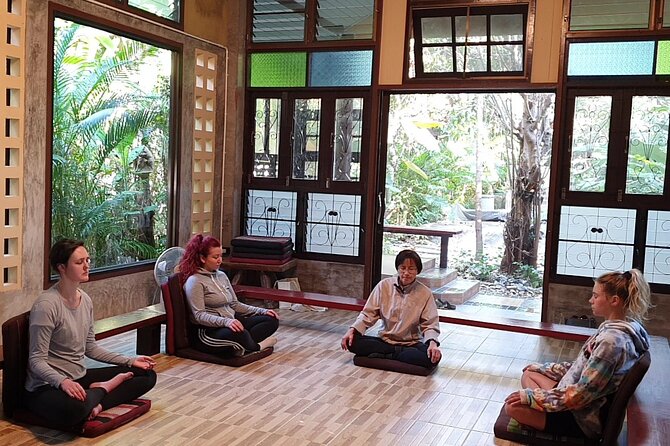
- Small group, big attention: capped at 6 participants, so the instructor can correct posture and pacing.
- Mindful walking counts: you practice attention while moving, not just sitting still.
- Sitting meditation is guided: you’re led through the steps, so it’s less guesswork.
- Yoga or gentle stretches, adapted to you: your practice should match your level and comfort.
- Tea or coffee in a garden setting: you finish with a calm moment, not a rushed exit.
- English instruction: the session is taught in English.
A 3-hour reset in Chiang Mai Province
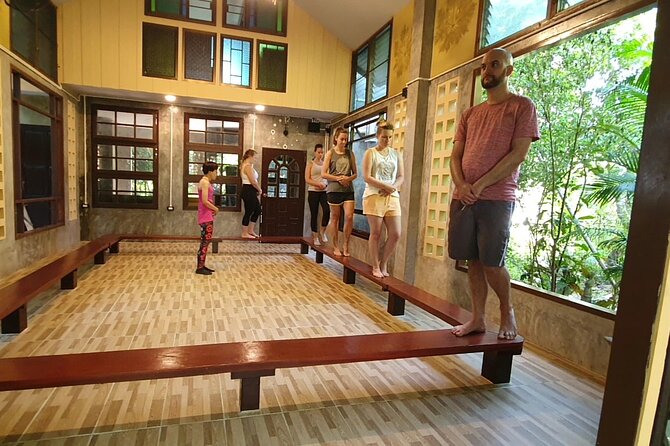
This retreat is designed for people who want a real breather, not a “check-the-box” wellness class. You’ll be in nature, you’ll move, you’ll sit, and you’ll come out feeling clearer and more steady. The whole point is rest, relaxation, and refresh—packaged into a short, doable block of time while you’re in Chiang Mai.
At about 3 hours, it’s the kind of activity that fits between sightseeing days. It’s also a good option if you’re not ready to commit to a multi-day retreat but still want something more structured than a random meditation app.
The Thai culture piece matters too. You’re not just doing breathing exercises; you’re learning meditation alongside Thai-flavored context—especially how Buddhist ideas can shape the way mindfulness is taught and practiced.
You can also read our reviews of more tours and experiences in Chiang Mai.
Finding Flow Yoga Chiang Mai (and why you should plan your ride)
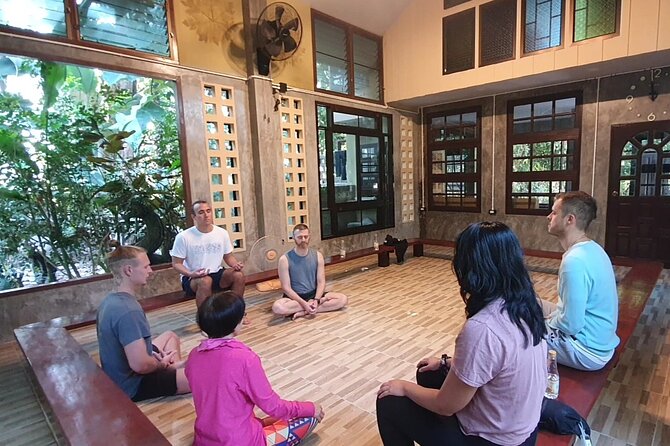
Your meeting point is Flow Yoga Chiang Mai, and hotel pickup/drop-off isn’t included. That’s the main logistics point to respect.
In Chiang Mai, I’d treat this like any other short workshop: use Grab or a taxi when you need to, and double-check your route before you leave. Some participants have found that Amori is responsive about transport questions, including arranging a taxi back afterward, but you shouldn’t count on a pickup being provided by the retreat itself.
If you want the day to feel easy, aim to arrive a few minutes early. You’ll want time to settle in, use the restroom if needed, and get into comfortable practice clothes before you start moving.
Mindful walking in nature: the skill that travels home
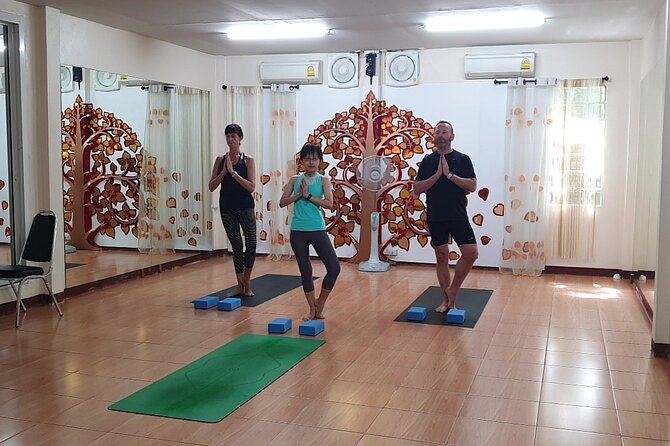
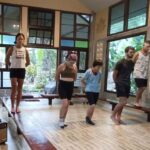
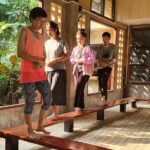
The retreat kicks off with mindful walking. This is one of those practices that sounds simple until you actually try it. You’re not just walking outdoors; you’re learning how to pay attention on purpose—step by step.
Here’s why this matters for value: a lot of people can sit for a few minutes when they’re calm, but the real challenge is when you’re in motion—walking to lunch, navigating a market, even taking a break between tours. Mindful walking builds that “off switch” for mental noise while your body is still moving.
Also, being in nature helps. You get a built-in rhythm: inhale, exhale, step, notice. It makes it easier to focus on sensations and reduce the urge to mentally multitask.
Practical tip: wear breathable shoes or footwear that lets you walk comfortably for the session. And if you’re the type who hates feeling awkward, don’t worry—this isn’t a performance. The goal is attention, not perfection.
Guided sitting meditation: less guessing, more clarity
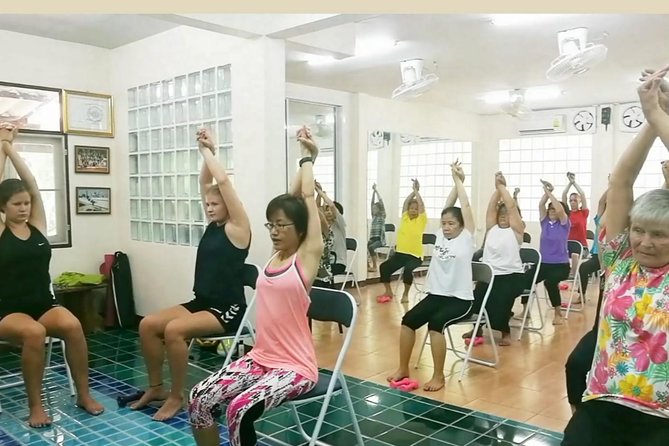
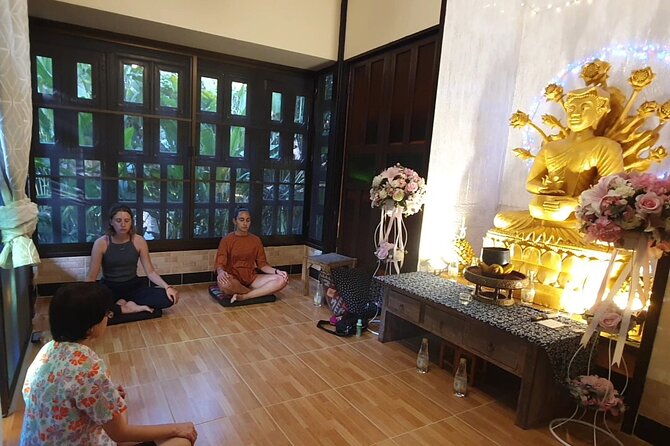
After walking comes guided sitting meditation, led so you know what to do and what to focus on. The teaching style seems to be especially clear and structured, with explanations that help you understand why each step matters.
You’ll likely notice two outcomes from the format:
- You spend less time wondering whether you’re doing it “right.”
- You build a routine you can repeat later, even if you only have a few minutes.
Many first-timers love this part because it feels like a crash course. Even if you’ve meditated before, guided instruction is useful for correcting habits like holding tension too tightly or getting lost in thoughts without noticing.
Thai culture context shows up here too. Sessions include some discussion of meditation ideas tied to Buddhist philosophy, which can deepen your understanding of why mindfulness is taught the way it is in Thailand—not just what to do, but how to think about it.
Yoga and gentle stretches: real bodies, real levels
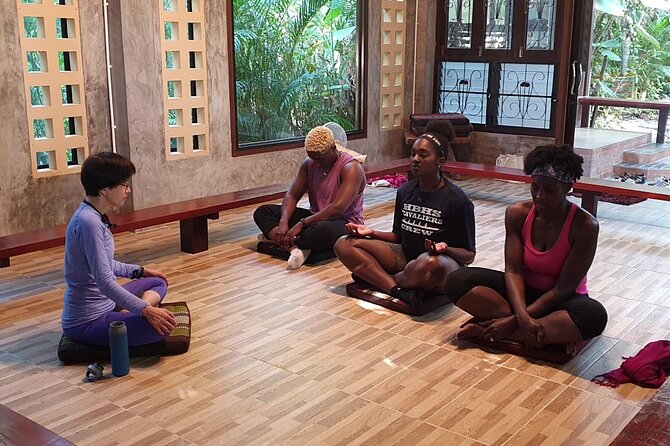
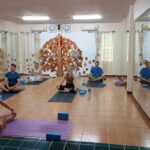
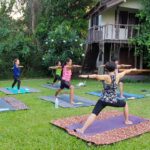
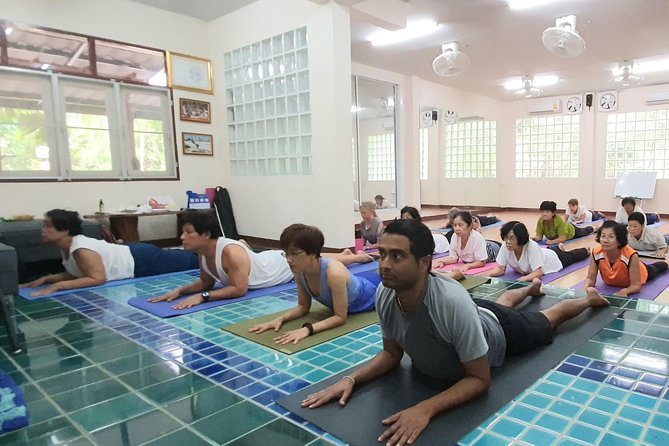
Then you’ll move into yoga or gentle stretches. The key detail is that the instructor adapts yoga to practitioners. That means you’re not stuck in a one-size-fits-all flow.
The retreat isn’t trying to turn you into a contortionist. The aim is body care—loosening tight areas, supporting comfort for meditation, and helping you leave feeling physically refreshed rather than “worked.”
That said, at least some participants found the yoga could be more challenging for beginners. The good news is that the teaching is flexible, and you can expect modifications if you’re not comfortable with certain positions. Bring honesty to the mat: if something feels too much, ask for an easier option or stick to gentle stretching. The session is about mindful practice, not pain.
Practical tip: wear comfortable, athletic clothes you can move in easily. If you’re visiting from hot weather, breathable fabric helps. If you tend to get cold during resting poses, bring a light layer.
Tea or coffee in the garden: the quiet landing after practice
You finish with a cup of tea or coffee in a beautiful garden setting. This part sounds small, but it’s part of why the experience works.
Right after meditation and movement, your attention is already calmer. Sitting with a warm drink helps you “land” the experience instead of rushing off to your next stop. It’s also a nice moment to ask questions—many people leave with a clearer understanding of how to keep practicing after they return home.
Depending on the exact session and what the instructor has prepared, some people have been offered extra snacks like fresh fruit or sweet treats at the end. Even when the extras don’t happen, the tea/coffee itself is a soothing, practical closure.
Price and value: what $48 buys you in Chiang Mai
At $48 for 3 hours, this retreat sits in the budget-friendly range for an instructor-led mindfulness and movement session—especially in a place like Chiang Mai where you’ll see everything from casual classes to full-on retreats.
What makes the value strong:
- Small group size (up to 6): you’re more likely to get hands-on guidance.
- Multiple practices in one: walking mindfulness + sitting meditation + yoga/stretching + tea/coffee.
- Beginner-friendly teaching style: you get step-by-step instruction, not just “go sit and figure it out.”
- Time-efficient for short stays: it’s long enough to feel meaningful, short enough to fit around a tight itinerary.
What you should weigh: since there’s no pickup, you’re responsible for getting there and back. If you’re already based near Flow Yoga or you’re comfortable using Grab, it’s no big deal. If you’re far out and hate transport planning, that could reduce the overall convenience.
Who this retreat suits best (and who might want to choose something else)
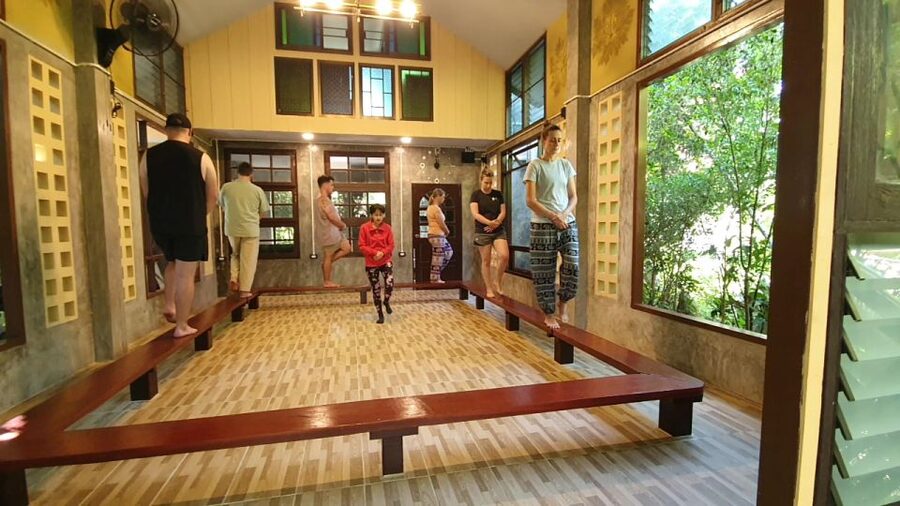
This retreat is a great fit if you want:
- a structured introduction to meditation and mindful walking
- gentle movement that supports your body (yoga adapted to you)
- a calm, secluded-feeling break from city noise
- English instruction with a teacher who explains things clearly
It’s also a strong match for people who feel stuck meditating alone. Guided practice gives you a pathway—something you can repeat later instead of starting from scratch.
It may be less ideal if:
- you need hotel pickup (this one doesn’t include it)
- you’re hoping for a fully private, silent retreat experience every time (small group means there will be others)
One more note from real-world experience: one participant found the English-only environment made it harder to relax fully. If you prefer a shared language for deeper conversation, plan for that.
Should you book this meditation retreat in Chiang Mai?
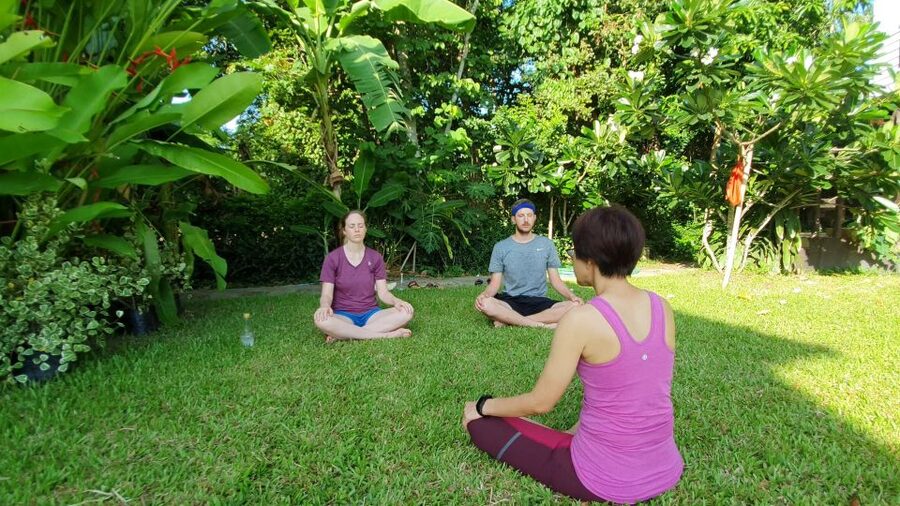
If you want a calm, high-impact 3-hour experience that teaches skills—not just a vibe—book it. The combination of mindful walking, guided sitting meditation, and adaptive yoga makes it easier to walk away with something you can use the same week you return home.
Choose this retreat especially if you’re curious about Thai meditation culture and you like the idea of learning from Amori in a small group setting. You’ll likely leave feeling grounded, clearer minded, and physically looser—without the commitment of a longer program.
If you’re okay handling your own transport to Flow Yoga Chiang Mai, this is one of the easiest “wellness wins” to add to a Chiang Mai trip.
FAQ
Where does the retreat meet?
The meeting point is Flow Yoga Chiang Mai.
How long is the experience?
It lasts 3 hours.
What’s the price per person?
The price is $48 per person.
Is the class taught in English?
Yes. The instructor teaches in English.
Is yoga included, and is it adapted for beginners?
Yes. You’ll do yoga or gentle stretches, and the yoga practice is adapted to practitioners.
Do I get tea or coffee after the practice?
Yes. After the practice and time in nature, you’ll have a cup of tea or coffee in a garden.
Is hotel pickup and drop-off included?
No. Hotel pickup and drop-off are not included.
FAQ
What should I wear?
Wear comfortable clothes for the practice.
Can I get a refund if my plans change?
Free cancellation is available up to 24 hours in advance for a full refund.
Is there a limit on group size?
Yes. The group is limited to 6 participants.