REVIEW · CHIANG MAI
Half Day, Monk Chat Meditation Retreat on Waterfall Temple, Chiang Mai, Thailand
Book on Viator →Operated by Asia Connect Travel · Bookable on Viator
Few mornings in Chiang Mai feel this quiet. This half-day retreat pairs Huay Keaw Waterfall nature time with a traditional Buddhist temple ritual, led by an English-speaking guide for a small group. You’ll learn how to show respect, offer merit, and practice simple mindfulness (walking and sitting) with the setting of rain-forest greenery and mountain views.
I also like that the group stays intimate—max 9 travelers—so you can actually follow along, not just watch. The included incense, candle, and flowers kit helps you participate without scrambling for supplies on the spot.
One thing to consider: the monk interaction can feel more like a guided conversation than a long, formal meditation session, so set your expectations accordingly.
In This Review
- Key moments worth planning for
- A half-day retreat that mixes nature, ritual, and mindfulness
- Morning logistics: 8:00 am start, pickup, and a simple setup
- Stop 1: Huay Keaw Waterfall and the merit moment
- Stop 2: Wat Pha Lat, monk chat, and mindfulness with mountain views
- The guides are the difference maker
- Price and value: why $71.34 can still make sense
- How to get the most out of the meditation portion
- Who this half-day retreat is best for
- Simple tips so you’re not scrambling on the day
- Should you book this monk chat meditation retreat on a waterfall day?
- FAQ
- How long is the monk chat meditation retreat?
- What time does the tour start in Chiang Mai?
- How many people are in the group?
- Is pickup available?
- Does the tour include entrance tickets?
- What does the tour price include?
- What isn’t included?
- Does the tour use a mobile ticket?
- Is there free cancellation?
- Are service animals allowed?
Key moments worth planning for
- Small group limit (9 travelers): easier pacing for questions and meditation instruction
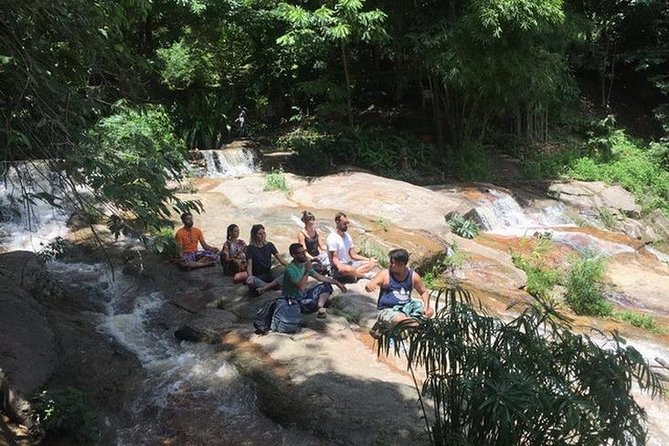
- Huay Keaw Waterfall + merit stop: starts with a respectful offering moment near the falls
- Wat Pha Lat ritual guidance: you’re taught how to pay respect, dedicate merit, and listen to a short sermon
- Walking and sitting mindfulness: short, practical meditation techniques in a scenic temple setting
- Included offering set: incense, candle, flowers, and gold leaf items are part of the experience
A half-day retreat that mixes nature, ritual, and mindfulness
This experience is built for people who want more than a quick photo stop. You’re stepping away from the usual “temple checklist” and into a morning routine that mixes respectful Buddhist practice with simple meditation skills you can actually use again later.
The format matters. With a duration of about 4 hours starting at 8:00 am, the pacing is tight enough to feel focused, but not so rushed that you miss what’s happening at each stop. And because it’s limited to 9 travelers, it tends to feel like a guided morning with space for quiet moments, not a crowd tour.
You do need to be a bit prepared, though. The tour includes an incense and candle offering kit, but food and drink to offer the monk are not included. You’ll either need to buy those offerings ahead (or as guided), and bring the right mindset: you’re participating in a ceremony, not just observing it.
You can also read our reviews of more tours and experiences in Chiang Mai.
Morning logistics: 8:00 am start, pickup, and a simple setup
The tour starts at 8:00 am in Chiang Mai. Pickup is offered, which is a big quality-of-life benefit—less time figuring out transport and more time arriving calmly. You’ll also get a mobile ticket, and the tour uses a straightforward system for entry and timing.
The schedule is designed around two main locations, so you’re not bouncing around all day. That matters in Chiang Mai, where traffic and heat can drain your energy if your day starts late. A morning start also pairs nicely with the retreat theme: quieter vibes, cooler air, and a better chance of enjoying the waterfall surroundings without feeling cooked.
One practical note from the experience outline: the guides plan for offering-related materials, including incense, candles, and flower items. Still, you should plan on bringing basic comfort items like water and something light for the walk/standing. The tour itself includes travel insurance, all fees, and taxes, which helps keep the day’s costs more predictable.
Stop 1: Huay Keaw Waterfall and the merit moment
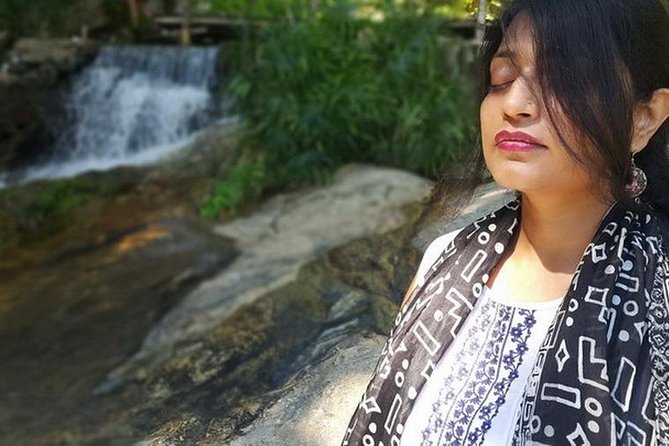
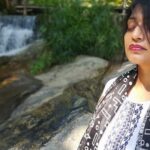
This first stop is at Huay Keaw Waterfall, with about 20 minutes on the ground. It’s not a long hike excursion, so treat it as a viewpoint-and-calm stop designed to set the tone, not a full nature trek.
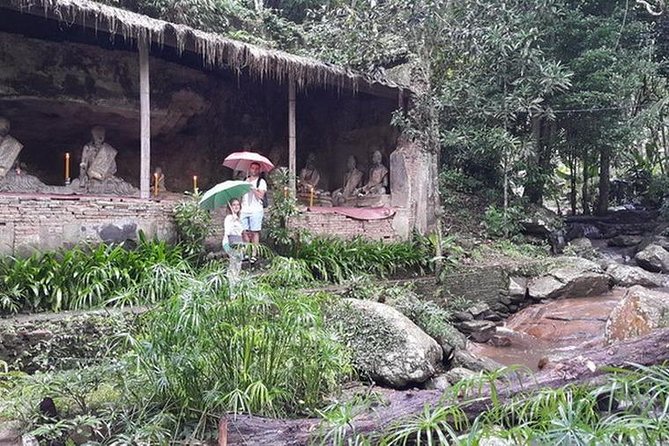
What makes it more than scenic water is the ritual element. On the way there, the driver stops for supplies used for offering the monk: items like gold leaf incense sticks and candles, lotus flowers, and marigold flower garlands. Then the group places these offerings in front of the waterfall area as a way to show respect to Buddha relics and to make merit.
If you’re coming in as a visitor new to Thai Buddhist practice, this part is surprisingly useful. It gives you the “why” behind what you’re doing. Instead of just handing something over, you’re learning that offerings are about intention—good wishes, respect, and dedication—rather than performing a random cultural act.
You’ll also visit the Kruba Srivichai Monument nearby. The experience includes context about Kruba Srivichai as a well-known Lanna developer figure, described as being about 200 years in historical framing. Even if you don’t catch every detail, it helps connect the modern temple-landscape you see with the region’s local story.
The good: a calm start that blends nature with meaning.
The consideration: it’s short here, so don’t expect a full waterfall hangout and long exploring time.
Stop 2: Wat Pha Lat, monk chat, and mindfulness with mountain views
The second stop is Wat Pha Lat, and this is where most of the structured instruction happens. Plan on about 3 hours here.
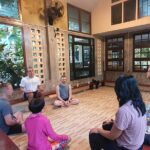
This is also where you’ll see the difference between a “temple visit” and a “retreat lesson.” The guide walks you through what you’ll do step-by-step, including how to pay respect to a Buddha image. Then you’re invited to make merit with the monk by offering food, dedicating the merit, and participating in a dedication ritual where water is poured as a libation.
After that, there’s a listening moment that includes a short sermon and a monk chat, plus a blessing. This is where expectations matter most. The tour’s name can make people hope for a long, formal meditation exchange, but the experience is structured around a short conversation and practical guidance in the larger flow of the visit.
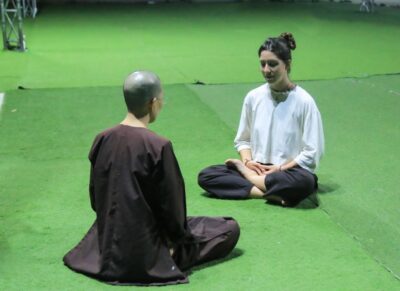
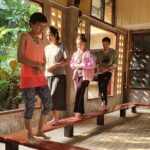
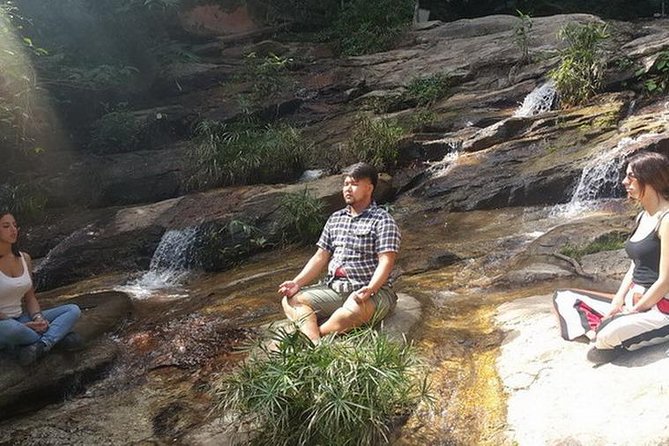
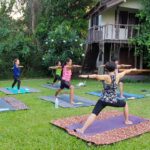
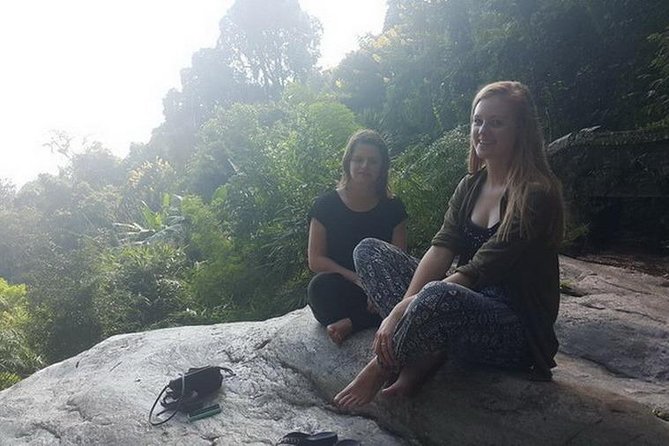
Later, you practice basic walking and sitting meditation mindfulness. The setting is part of the lesson: you’re doing it around the waterfall and within a rain-forest feel on the mountaintop area, with Chiang Mai city views in the background. Even if you’re not deeply experienced, the instruction is geared toward beginners—short techniques you can try without needing special training.
Then comes a candlelight moment tied to relic tradition. The process includes lighting incense sticks and candles and participating in a candlelight procession connected to relics linked to Buddha tradition and described as coming from a relic history that references Schwedagon Pagoda from Myanmar. The description also notes the temple’s connection to Burmese pagoda style. Whether you’re a history buff or not, it gives the ritual a sense of continuity—temple practice as something carried through centuries.
What I like for you here: the meditation isn’t just talked about. You’re guided through a simple version, and you’re surrounded by the sights and sounds the practice is meant to respect.
What to watch for: this is not an all-day retreat. You’re getting a taste, a guided lesson, and a chance to ask questions, not a multi-hour silent meditation retreat.
The guides are the difference maker
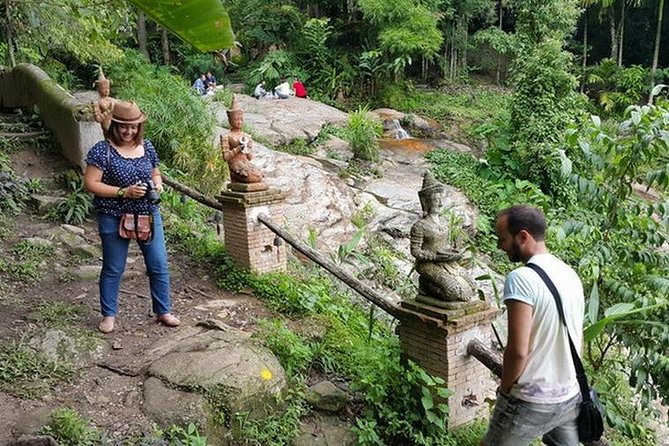
This tour lives or dies on pacing and people skills, and the guide team seems to be a strength.
In the feedback, names that come up include Kat, Siripan (also seen as Sirpan), and Pisi. Across those stories, the common themes are clear: guides who are friendly, attentive, and good at explaining what’s happening and why. In particular, one guide was praised for teaching meditation at your own pace and offering practical tips to improve your technique.
That matters because Thai temple etiquette and meditation can feel confusing if you’re doing it cold. When a guide translates the intention and the steps, you’re less likely to feel lost or like you’re just acting out gestures.
If you’re the type who wants more dialogue with the monk, it helps to arrive with one or two simple questions in mind—about what meditation is trying to do, or how to stay focused when your mind wanders. The structure includes a monk chat and blessing, so conversation is part of the package, even if the chat may be shorter than some people expect.

Price and value: why $71.34 can still make sense
The price is $71.34 per person, with the experience typically booked about 9 days in advance. On its face, it isn’t the cheapest half-day option in Chiang Mai. But here’s the value logic.
You’re paying for a guided, structured morning with:
- a small group limit (max 9 travelers)
- an English-speaking guide
- included incense/candle/flower offering materials (including gold leaf items)
- travel insurance
- all fees and taxes
- pickup offered and a mobile ticket system
The only notable cost gap is that food and drink to offer the monk are not included. That’s not a deal-breaker, but it’s the one place your final cost can change depending on what you choose to buy and what you’re guided to offer.
For people who like well-timed cultural instruction, this is often a fair deal. For people who just want a scenic waterfall and a temple photo, it may feel pricier than “DIY plus grab a taxi.” Decide based on what you want: meaning and practice, or sightseeing alone.
How to get the most out of the meditation portion
Meditation instruction can feel awkward if you expect something dramatic. This experience is more about simple mindfulness you can try in real conditions.
Here’s how to make the most of it without overthinking:
- Treat the walking practice like a way to reset your attention, not a performance.
- When you do sitting mindfulness, focus on what you can control: posture, breath, and noticing distractions.
- Don’t worry if your mind wanders. The point is noticing it and returning, which is exactly what beginners need.
- During the monk chat, keep your questions small and honest: what does focus mean, how do you practice when you’re busy, what should you do when you feel restless?
Also, remember the ritual context. You’re not separating meditation from ceremony. The respect and merit-making are part of the same day of training attention.
Who this half-day retreat is best for
This is a great fit if you want:
- a beginner-friendly introduction to Thai Buddhist meditation and temple practice
- a small-group experience that feels more personal than a big tour bus
- a morning outdoors with nature time at a waterfall, plus temple instruction
It’s less ideal if you’re specifically chasing:
- a long, silent meditation session with zero talking
- a full deep-history tour where every detail becomes a lecture
And if you’re a first-time visitor to temple areas, you’ll likely appreciate the guide’s step-by-step approach. If you already know meditation well and want more advanced instruction, you might find the session shorter than what you hoped—because the tour is designed as a half-day taste, not an extended retreat.
Simple tips so you’re not scrambling on the day
Because the experience includes an offering kit but not monk food/drink, you should plan your morning like this:
- Bring small cash or be ready to purchase whatever the guide recommends for food and drink offerings
- Wear comfortable clothes for walking and standing, and something respectful for temple areas
- Arrive on time for the 8:00 am start so you can take in the first merit moment without stress
If you’re sensitive to religious rituals, it can help to approach it as cultural participation with guidance. You don’t need to “believe” to learn how intention and respect are practiced. You just need to be open and follow the instructions.
Should you book this monk chat meditation retreat on a waterfall day?
I’d book it if you want a half-day that’s more meaningful than a typical temple stop. The mix of Huay Keaw Waterfall, a temple ritual lesson at Wat Pha Lat, and guided walking/sitting mindfulness makes it a practical introduction, especially in a small group.
Skip it (or adjust your expectations) if you mainly want an extended meditation retreat with a long sit and lots of monk-led instruction. The experience includes a monk chat and short sermon, but it’s not positioned as a long meditation class.
If you’re choosing between a standard tour and this one, pick this one when your goal is participation: learning what to do, why it matters, and how to try the practice in the moment.
FAQ
How long is the monk chat meditation retreat?
It runs for about 4 hours (approx.).
What time does the tour start in Chiang Mai?
The start time is 8:00 am.
How many people are in the group?
The tour has a maximum of 9 travelers.
Is pickup available?
Yes, pickup is offered.
Does the tour include entrance tickets?
Admission tickets are listed as free for both Huay Keaw Waterfall and Wat Pha Lat.
What does the tour price include?
It includes an incense candle set with flowers and gold leaf items, travel insurance, an English-speaking guide, and all fees and taxes.
What isn’t included?
Food and drink to offer the monk is not included.
Does the tour use a mobile ticket?
Yes, mobile ticket is included.
Is there free cancellation?
Yes. You can cancel up to 24 hours in advance for a full refund.
Are service animals allowed?
Yes, service animals are allowed.