This half-day retreat turns Buddhist rituals into hands-on practice, from solemn sutra chanting to quiet walking meditation, all in the same flowing 4-hour block. You start with the basics of how the session works, then move through meditation methods meant to carry into daily life—plus a monk chat that puts the ideas behind the practice into plain human terms.
I love how the retreat doesn’t treat mindfulness like a vague mood. You’re taught the correct meditation approach, then you practice it right away with focused breathing and mindful walking. I also like the way the spiritual content is practical: ethics and life lessons come up alongside habits like gratitude, loving-kindness, and compassion.
One consideration: the retreat runs about 4 hours and is centered on a pagoda schedule, so if you want lots of sightseeing time or lots of breaks, you might find the pace a bit steady.
In This Review
- Key highlights worth your attention
- A 4-hour Hanoi pagoda reset: how the day actually feels
- Welcome at the pagoda: rules first, then sutras
- Buddhist doctrines in real time: ethics, gratitude, and compassion
- Qigong and mindful breathing: calming the body before the mind
- Touching peace: learning meditation methods that stick
- Talking with monks: what renunciation means in plain language
- Compassion in action: releasing animals and sharing a grateful meal
- Price and value in Hanoi: what $60 buys you
- Who should book this retreat (and who might not)
- Should you book Half-Day Mindfulness Meditation Retreat in Hanoi?
- FAQ
- How long is the Half-Day Mindfulness Meditation Retreat in Hanoi?
- What is the price per person?
- Is lunch included?
- What activities are included during the retreat?
- What is the meditation focus during the session?
- Is transportation with air-conditioning included?
- Do I need a printed ticket?
Key highlights worth your attention
- Sutra chanting sets the tone with Buddhist teachings you’ll revisit through the session
- Qigong plus mindful breathing gives you a body-based way to calm down
- Walking meditation helps you use attention while you move, not only while sitting
- A conversation with monks adds context on doctrine and the renounced-life ideal
- Releasing animals and a grateful vegetarian meal connect compassion to action
- Mobile ticket keeps things simple once you’re in Hanoi
A 4-hour Hanoi pagoda reset: how the day actually feels
The whole format is built to get you from first-timer nerves to something steadier—fast. You’re not asked to already “know” meditation. Instead, the retreat starts with rules, then immediately layers in ritual and technique, so you’re never stuck wondering what to do next.
Because it’s about 4 hours, it’s long enough to change your mood, but short enough that you’re not committing your entire day to one activity. That matters in Hanoi, where you’ll otherwise feel torn between traffic, heat, and long travel days.
And since the retreat uses a mobile ticket, it’s set up to be low-drama. You show up, you follow the flow, and you focus on the experience—not apps, paperwork, or complicated printouts.
You can also read our reviews of more tours and experiences in Hanoi.

Welcome at the pagoda: rules first, then sutras
Your session begins at the pagoda with a guide laying out the rules up front. That opening matters more than it sounds. When people are new to Buddhist spaces, small details—how to move, how to behave, what the ritual expects—can make the difference between feeling awkward and feeling at ease.
From there, you move into the first major practice: chanting solemn sutras. These sutras carry the Buddha’s teachings, and chanting isn’t just sound for show. In a structured retreat, it becomes a grounding rhythm—something your mind can latch onto while the rest of your body learns to slow down.
After the chanting, you get teachings designed to be used in everyday life. The focus isn’t only “spiritual ideas.” It’s ethics and life lessons you can carry forward, which is the point of putting ritual alongside instruction.
Practical note: if you usually struggle with silent meditation, chanting can feel like an easier on-ramp. It gives your attention an anchor.
Buddhist doctrines in real time: ethics, gratitude, and compassion
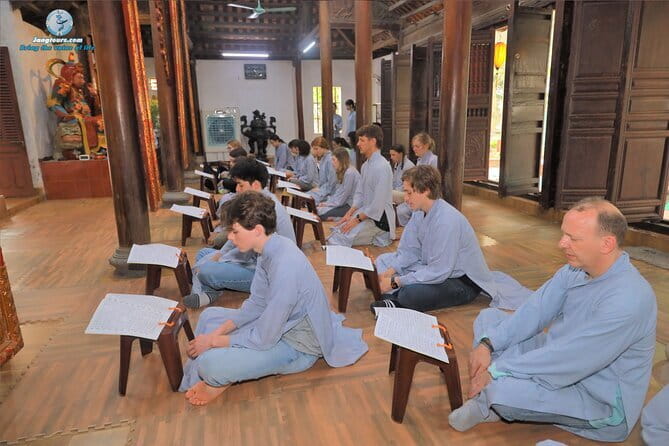
Next comes the spiritual content piece: you study profound Buddhist doctrines, then learn how they connect to behavior and relationships. The retreat frames the goal clearly—nurture gratitude, loving-kindness, and compassion through earnest ritual practice.
This is one of the most praised parts of the format, because it avoids the common problem of retreats that feel like “culture theater.” Here, the aim is not just to watch a ceremony. You’re guided toward an understanding you can use, even if you’re not trying to become a monk or adopt a new religion.
What I like about this is the tone. Instead of presenting ethics as guilt or rules from above, the retreat links them to emotions and intentions you can actually practice: gratitude you can remember, kindness you can direct, compassion you can extend.
If you’ve been interested in Buddhism but didn’t know how to start, this approach gives you a structured entry point.
Qigong and mindful breathing: calming the body before the mind
Before the longer meditation moments, you’ll do qigong and mindful breathing. This is a smart order. When people jump straight into sitting, they often discover how loud their body feels. Here, the session uses breath and gentle movement as a bridge.
Qigong is presented as a health-supporting practice, and mindful breathing is used to help attention settle. Together, they turn the retreat from “something spiritual happening around you” into “skills you can feel.”
Then you go into tranquil practice with walking meditation. That part is important for most first-timers. Sitting still can be tough. Walking meditation teaches you to keep focus while your body stays active—so the practice can be more natural and less stressful.
Tip that fits the program: wear comfortable clothing and shoes that work for walking. Walking meditation is part of the experience, so don’t dress like you’re going to an office.
Touching peace: learning meditation methods that stick

After the calmer breathing and walking segment, the retreat turns toward what it calls the art of touching peace. In practical terms, you’re learning meditation methods and how to focus the mind for true happiness.
That wording may sound big, but the structure is what matters. You’re not just told concepts. You’re given a method, then you practice within the retreat environment.
The retreat’s emphasis on focusing your mind is useful even if you’re not chasing spiritual enlightenment. Mental training is mental training. If your goal is less stress, clearer attention, and fewer spirals, the techniques can still deliver.
And because the session cycles between ritual, breathwork, and mindful movement, you get a better chance of finding what works for you—rather than relying on one single style of meditation.

Talking with monks: what renunciation means in plain language
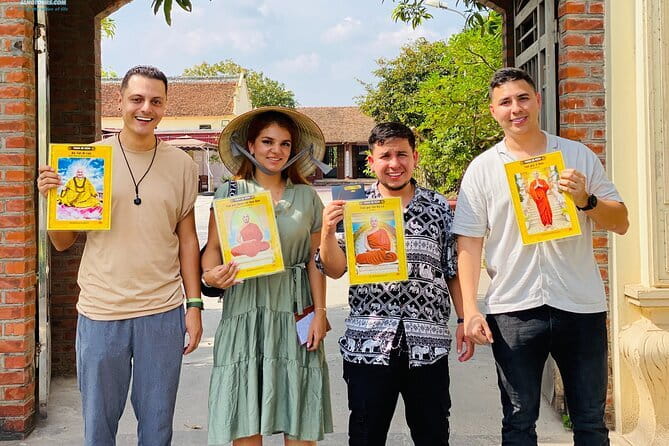
One of the most anticipated moments is when you converse with monks. This isn’t just a Q-and-A that ends quickly. It’s built to explain Buddhist doctrine and also the noble life of those who renounced worldly pleasures.
That theme can feel abstract until someone translates it into human terms. Here, you get a direct explanation of what the doctrine is pointing toward and why the renounced-life ideal matters within Buddhism.
If you’re worried that meditation will feel like learning chants without meaning, this conversation is the answer. It connects the rituals you do with the ideas behind them, which helps the whole experience feel coherent.
Keep expectations grounded: you won’t leave with everything solved. But you can leave with clearer questions, better understanding, and more reason to practice after you go home.
Compassion in action: releasing animals and sharing a grateful meal

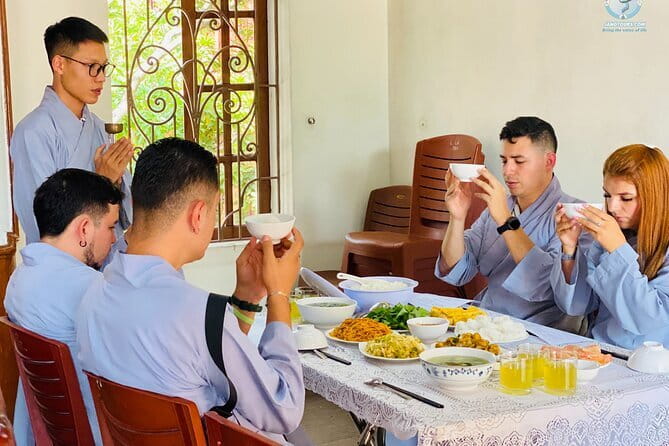
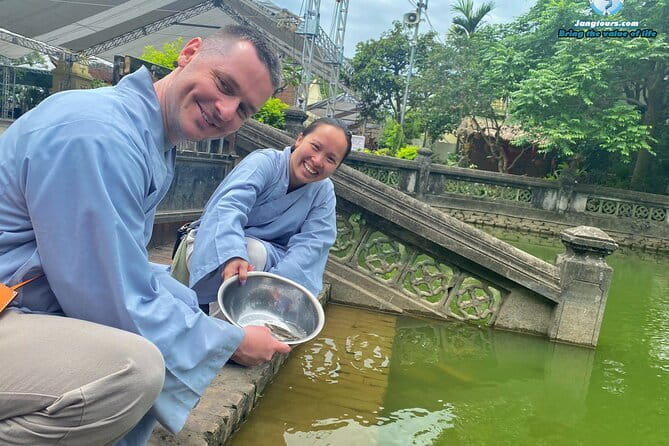
The retreat finishes with a strong compassion thread. You nurture compassion through the activity of releasing animals, then you enjoy a gratful vegetarian meal.
Releasing animals can be emotional. In a retreat setting, it’s meant to reflect compassion as action, not only as intention. It’s also paired with the mindset shift you’ve built throughout the day—gratitude and loving-kindness that show up in what you do next.
Then comes the meal, vegetarian and designed to match the retreat’s tone. This matters because you’re not just eating after meditation—you’re eating within the ethical and mindful frame of the program.
If you’re someone who gets spiritually drained by heavy rules, you might appreciate how the retreat uses gratitude and compassion to guide the experience instead of focusing only on discipline.
Price and value in Hanoi: what $60 buys you

At $60 per person for about 4 hours, this retreat lands in a reasonable midrange for a structured spiritual practice session in Hanoi. The value isn’t just the time. It’s the combination of activities that would be hard to assemble on your own without guidance: rules at the pagoda, sutra chanting, doctrine learning, qigong and mindful breathing, walking meditation, monk conversation, and the compassion activity plus lunch.
You also get lunch (vegetarian food) included. That’s not a small detail. When you’re busy between activities, meals often become expensive and inconvenient. Here, lunch is built into the schedule and aligned with the retreat’s practice.
What’s not included is an air-conditioned vehicle. So if you’re used to taking rides with AC all day, plan for heat and travel time depending on how you get there. For some people, that affects the real value more than they expect.
Also, it’s reportedly booked about 47 days in advance on average. That doesn’t automatically mean it sells out constantly, but it does suggest this is a popular type of experience.
Who should book this retreat (and who might not)
This retreat fits best if you want a guided experience that blends Buddhist ritual with structured mindfulness practice. It’s especially good for beginners because you get instruction on meditation method and you practice in multiple formats: chanting, breathwork, sitting-like calm, and walking meditation.
It’s also a good fit if you’re curious about Buddhism but not looking for a long lecture. The day includes doctrine learning and then a monk conversation to help meaning click into place.
You might want to think twice if you:
- Prefer lots of free time and do-it-yourself wandering
- Dislike religious settings or formal group activities
- Want an experience that feels more like sightseeing than practice
Should you book Half-Day Mindfulness Meditation Retreat in Hanoi?
Book it if you want a practical, structured half-day that gives you real tools: breathing focus, mindful walking, and an ethical framing of gratitude, loving-kindness, and compassion. The monk conversation and the sutra chanting help keep the retreat from becoming only “relaxation,” and the vegetarian lunch makes the package feel complete.
Skip it if your main goal is city views and free time, because the schedule is designed around pagoda practice rather than roaming. And if you’re very sensitive to heat during travel, remember that AC transport isn’t included.
Overall, this is a solid choice for travelers who want more than photos—people who want to leave Hanoi with a method, not just a memory.
FAQ
How long is the Half-Day Mindfulness Meditation Retreat in Hanoi?
The retreat runs about 4 hours.
What is the price per person?
The price is $60.00 per person.
Is lunch included?
Yes. The retreat includes vegetarian lunch.
What activities are included during the retreat?
You can expect sutra chanting, lessons on Buddhist doctrines, qigong, mindful breathing, walking meditation, a conversation with monks, and an activity involving releasing animals.
What is the meditation focus during the session?
The retreat teaches the correct method of meditation, with instruction aimed at focusing the mind for true happiness.
Is transportation with air-conditioning included?
No. An air-conditioned vehicle is not included.
Do I need a printed ticket?
No. You’ll use a mobile ticket.