REVIEW · HANOI
Ha Noi – Half-day Mindfulness meditation retreat
Book on GetYourGuide →Operated by JANGTOURS · Bookable on GetYourGuide
Learning calm can be surprisingly practical in Hanoi. This half-day retreat in Dong Bac pairs pagoda etiquette, meditation practice, and Buddhist lessons so you leave with tools you can actually use.
I especially love the structured variety. You’ll practice sitting meditation, walking meditation, chanting-style rituals, and mindful breathing (including inner energy movements and Qi Gong), so the calm doesn’t feel like a one-note trick. I also like that the guide, including Hieu (and Hung), takes beginners seriously and keeps explanations clear in English.
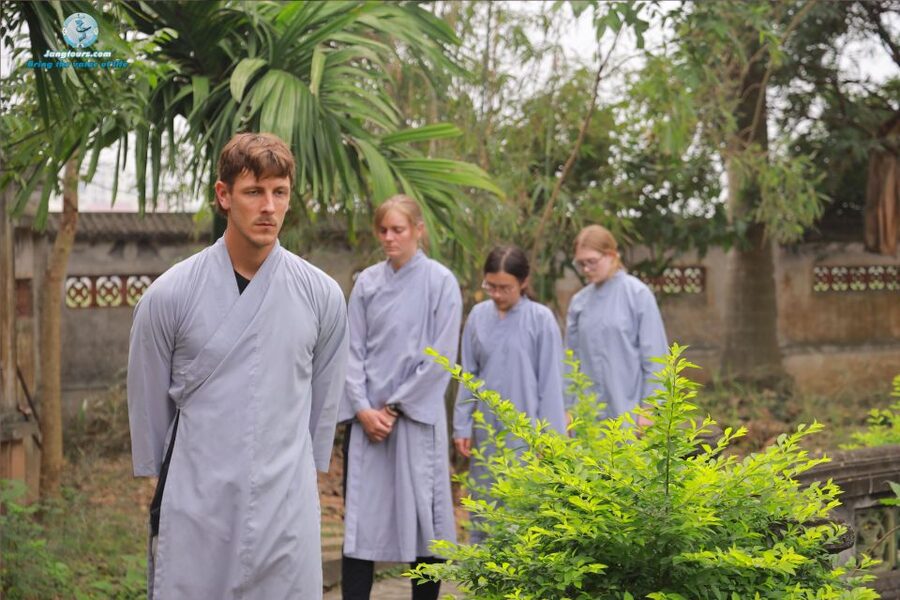
One consideration: the session has clear rules on dress and noise. You’ll need long sleeves and long pants, and you should expect a quiet, respectful environment at a pagoda—plus mobility limits, since it’s not suitable for wheelchair users.
In This Review
- Key Highlights Worth Your Time
- A Four-Hour Reset in Dong Bac Pagoda Grounds
- Pagoda Etiquette and Buddhist Rituals: Start With the Right Mind
- Walking Meditation and Mindful Breathing You Can Actually Replicate
- The Art of Touching Peace and Soul Purification
- Mindful Talking, Karma Law, and a Monk’s Guidance Slot
- Compassion Practices: Releasing Beings and Practicing Loving-Kindness
- A Grateful Vegetarian Meal That Extends Meditation
- Price and Value: Is $65 Worth a Half-Day Retreat?
- Who This Retreat Suits Best (And Who Might Prefer Something Else)
- Dress Code, Quiet Rules, and Practical Tips Before You Go
- Should You Book This Half-Day Mindfulness Retreat?
- FAQ
- How long is the retreat?
- What time does the retreat start?
- How much does it cost?
- Is a vegetarian lunch included?
- What language is the instruction in?
- What should I bring or wear?
- Is transportation included, and is there free cancellation?
Key Highlights Worth Your Time
- Pagoda etiquette first so you know how to greet monks and nuns respectfully
- A full toolkit of practices: sitting, walking, breathing, chanting-style rituals, and Qi Gong
- Plain-language Buddhist teachings around sutras and Karma, supported with photos
- Time to consult the monk for questions about spiritual practice
- Loving-kindness compassion ritual that includes releasing beings
- Mindful eating with a grateful vegetarian meal before and after you eat
A Four-Hour Reset in Dong Bac Pagoda Grounds
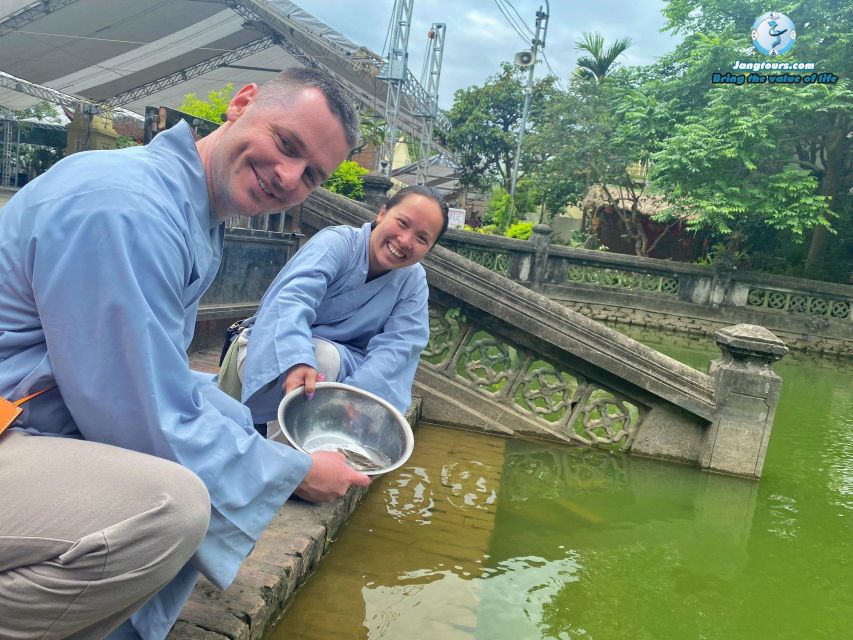
This retreat takes place in a peaceful pagoda setting in Dong Bac, away from Hanoi’s more hectic streets. Expect a morning flow that runs for about four hours, finishing back at the meeting point. The pace is steady—not rushed, but also not drawn out.
At $65 per person, what you’re really paying for is the full package: a local guide on site, entrance fees, spiritual rituals, and a vegetarian lunch (plus mineral water). In other words, you’re not just buying sitting time on a cushion—you’re buying guidance, structure, and context for understanding what you’re doing.
One practical thing to plan for: pagodas sometimes have unexpected obligations for local residents. The schedule can shift to an equivalent pagoda without changing the overall content, and the operator will aim to inform you in advance.
You can also read our reviews of more tours and experiences in Hanoi.

Pagoda Etiquette and Buddhist Rituals: Start With the Right Mind
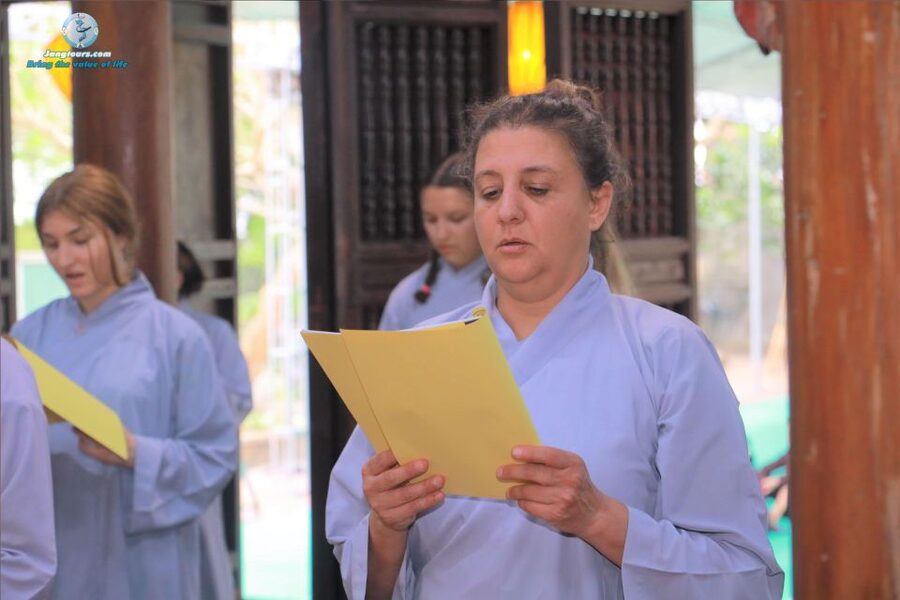
The session begins with a real-world lesson: how to behave in a pagoda. You learn the regulations for staying in a pagoda space, and you’ll practice how to greet monks and nuns when you meet them. If you’ve ever felt unsure about spiritual sites in Vietnam, this is the kind of guidance that helps you relax fast.
Then comes the ritual portion. You’ll hear Buddhist teachings framed around sutras, described as the Buddha’s teachings, and you’ll connect those teachings to daily life. This matters because mindfulness can feel vague if it’s taught like a trendy self-care phrase. Here, it’s treated like practice—something you apply to how you think, move, and interact.
This start also sets the tone for the rest of the morning. When you know the etiquette and the purpose, meditation stops feeling like performance and starts feeling like participation.
Walking Meditation and Mindful Breathing You Can Actually Replicate
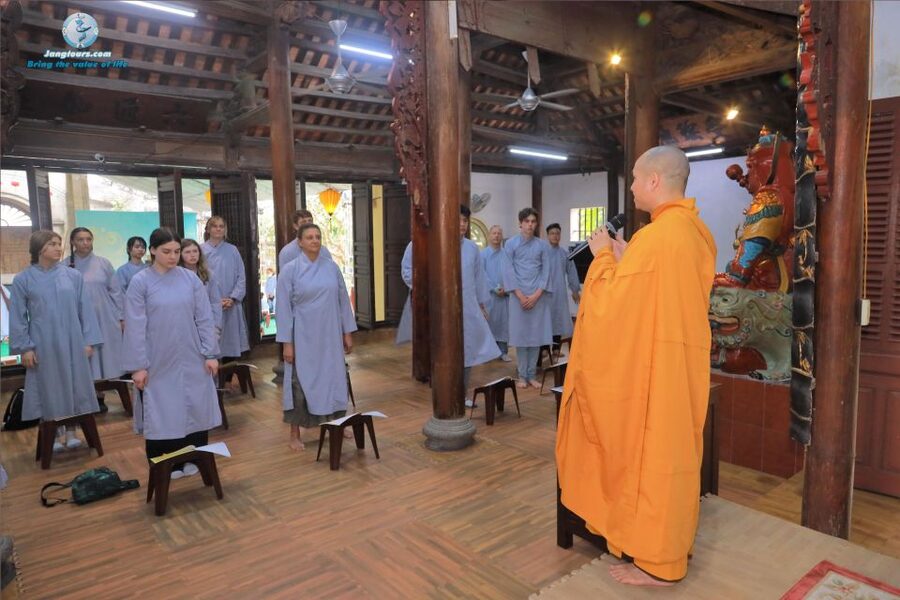
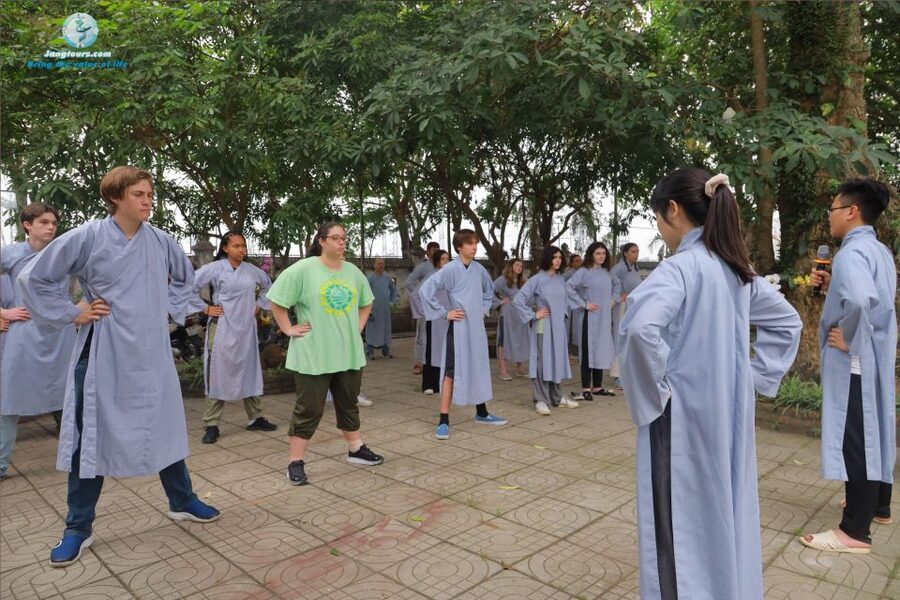
After the early rituals, the program moves into practice. The first hands-on session is walking meditation, which focuses on mindfulness in each moment—every breath and step. It’s not about going fast or doing fancy posture. It’s about noticing what’s happening without being pulled around by distraction.
You also get mindful breathing training, described through the combination of inner energy movements and mindfulness of breath. The goal is a healthier body and mind that strengthens your ability to meditate. If you’re a beginner, this is one of the most valuable pieces because it gives you something concrete to focus on when your thoughts try to take over.
Qi Gong is included in the mix as well, which helps explain why some people leave feeling more grounded than sleepy. Even when you don’t fully understand the philosophy behind every movement, you still benefit from the calm rhythm and the body awareness that comes with it.
A small win here: these methods are easy to carry into your own day. You can do mindful steps at home, and you can return to breath-focus even when you can’t find a quiet room.
The Art of Touching Peace and Soul Purification
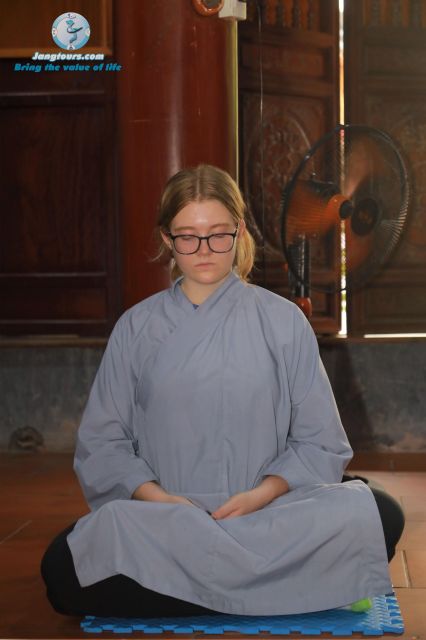
Next is the philosophical side, but don’t expect it to be heavy. You’ll hear meditation described as a practice of the philosophy of happiness, with the key idea that mental peace matters more than worldly pleasures. That framing is useful because it shifts meditation from chasing a feeling to practicing a state of attention.
Then you’ll be guided through meditation described as soul purification. The language emphasizes leading the mind to peace and insight and keeping it away from thought and sentiment. You’ll also hear it described as a path for reducing self and ignorance and moving toward enlightenment.
Even if some of the doctrine feels new, the practical takeaway is still clear: the training aims at changing your relationship to your thoughts. You’re not trying to stop having thoughts. You’re learning how to notice them and how not to get dragged.
If you want a meditation experience that respects both spirituality and technique, this is the section that connects the two.
Mindful Talking, Karma Law, and a Monk’s Guidance Slot
Later, you get a chance for mindful talking. The session includes learning about the Karma Law through photos, and this can be a surprisingly effective way to understand concepts without being overwhelmed by lectures.
There’s also a segment focused on consultation with a monk for guidance related to spiritual practice. This is an important difference from many generic meditation classes. Instead of only being told what to do, you get a pathway to ask questions and clarify what you’re feeling or struggling with.
That monk-guided moment is often where beginners get unstuck. When you’re sitting and trying to focus, it’s normal to wonder whether you’re doing it right. Even simple feedback can help you stop second-guessing and start practicing with more confidence.

Compassion Practices: Releasing Beings and Practicing Loving-Kindness
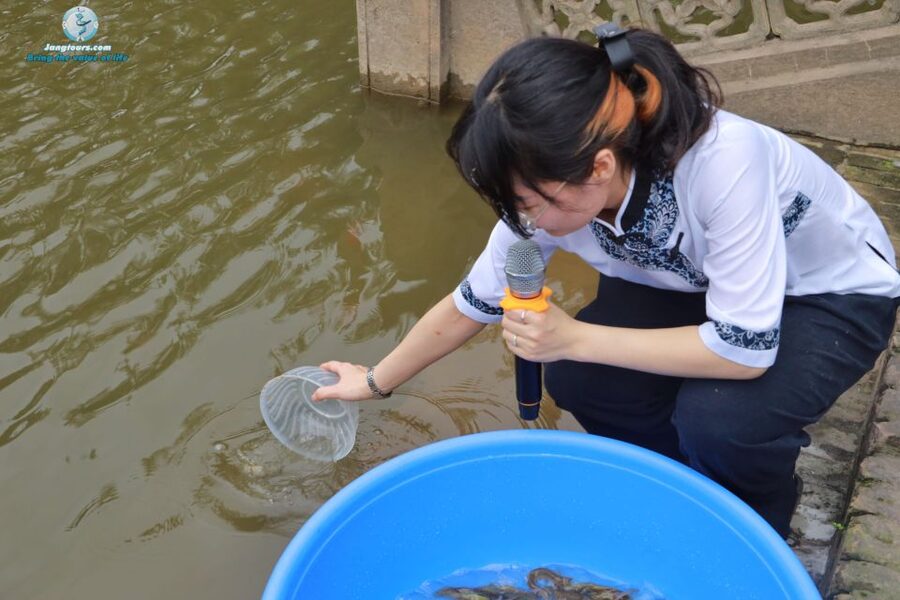
One of the more distinctive parts of this retreat is the compassionate practice involving releasing beings. The session explains it as practicing compassion and good deeds for a long life, tied to loving-kindness and compassion.
This is not just symbolic in tone. The way it’s presented connects compassion to action, not just emotion. You’re encouraged to relate your mindfulness practice to how you treat others and how you cultivate goodwill.
For many people, this section changes the emotional texture of the morning. Meditation can feel like “me time.” This portion adds “others time,” reminding you that inner peace has outward consequences.
A Grateful Vegetarian Meal That Extends Meditation
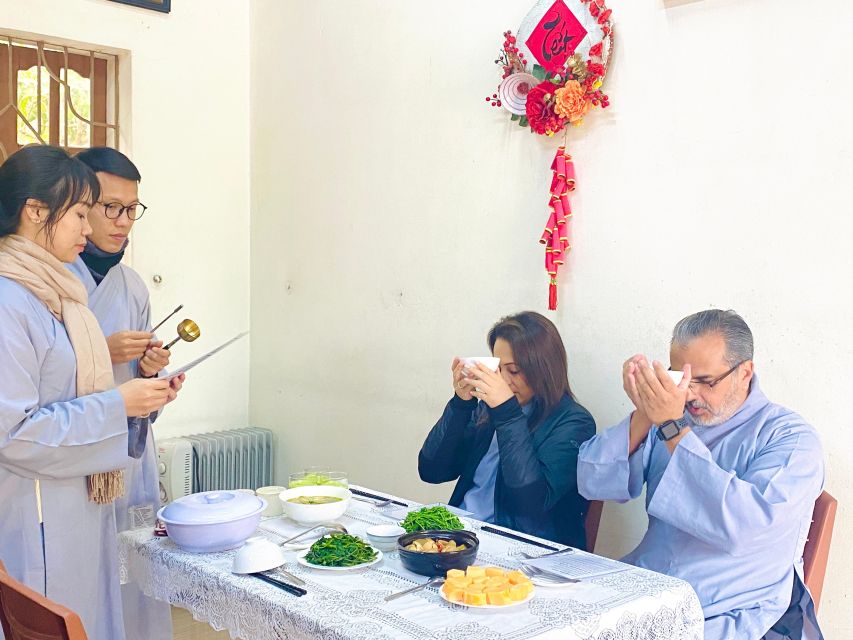
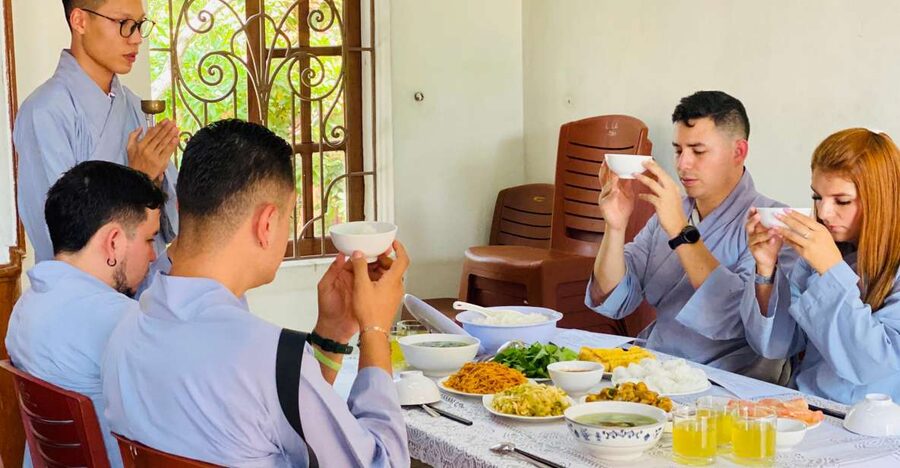
After practice, the retreat includes a grateful meal. It’s described as a practice of expressing gratitude before and after eating, cultivating mindfulness about the food you consume and avoiding waste.
I like that this isn’t treated as an afterthought. When you eat in a mindfulness context, your attention gets trained for noticing texture, taste, and satisfaction without rushing. Even if you leave Hanoi and eat in a normal restaurant again, you’ll likely remember the rhythm of eating slowly and respectfully.
You also get a gift for visitors at the end, which makes the finish feel a bit more personal than a standard class that ends and moves on.
Price and Value: Is $65 Worth a Half-Day Retreat?
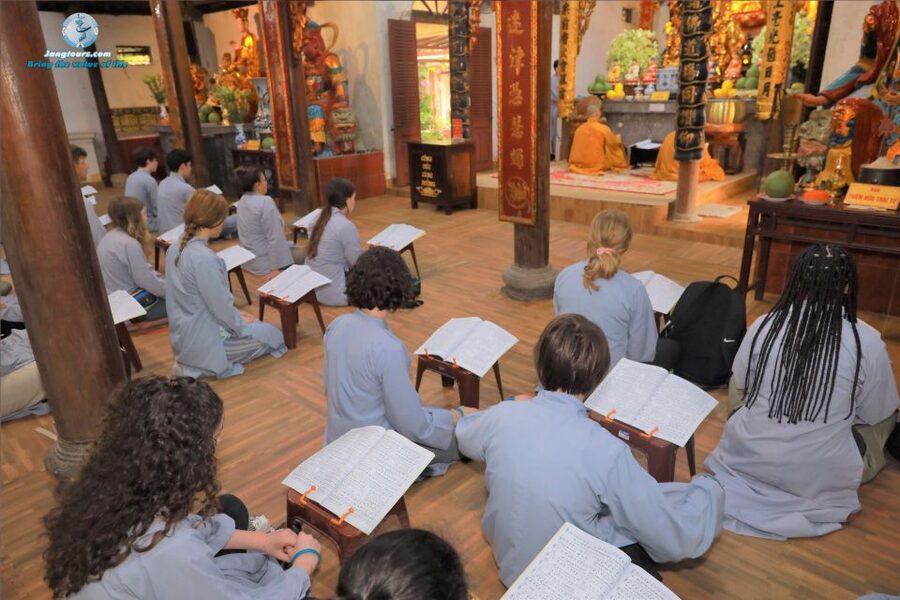
At $65, this retreat is priced like a serious guided experience rather than a casual workshop. You’re getting: guided meditation instruction, spiritual rituals, entrance fees, a vegetarian lunch, mineral water, and English-language teaching from an instructor/guide on site.
When I compare that to the cost of piecing together a one-off class plus admission at a pagoda plus a guided context, the value is easier to see. The biggest reason it feels worth it is the variety packed into four hours. Sitting meditation alone is common. This adds walking meditation, mindful breathing with inner energy elements, Qi Gong, ritual learning, and a compassion practice.
If your goal is to learn a foundation quickly—especially as a beginner—this format can save you money and time. You get guidance and structure up front, so you don’t have to guess what to practice next.
Who This Retreat Suits Best (And Who Might Prefer Something Else)
This is a strong fit if you:
- Are new to meditation and want step-by-step practice
- Appreciate Buddhist philosophy explained in a beginner-friendly way
- Want a mix of sitting, moving (walking/Qi Gong), and mindful reflection
- Like guided experiences where you can ask questions with monk support
It may feel less suitable if you:
- Need wheelchair access (it’s not suitable for wheelchair users)
- Prefer a fully secular mindfulness-only class (this is spiritual practice with Buddhist rituals)
Also note the dress and noise rules. You don’t need special gear, but you do need to respect the environment. That can actually make the retreat easier for your brain, because you know how to behave and what tone to bring.
Dress Code, Quiet Rules, and Practical Tips Before You Go
The retreat asks for long-sleeved shirts and long pants. Short attire is not appropriate. If you’re visiting from a hot Hanoi day, plan to bring something lightweight but not short.
You also should know what’s not allowed: no smoking, no short skirts, and no alcohol or drugs. Red wine is listed as not allowed too. Clothing should not be ripped, and you’ll need to keep noise to a minimum.
Here’s how to prepare in a way that keeps your head clear:
- Wear comfortable long pants you can move in for walking meditation
- Choose a long-sleeve top that won’t distract you (itchy fabric is a distraction you don’t need)
- Keep your phone on silent, because the expectation is quiet and respectful
And because transportation isn’t included, you’ll want to plan your own way to the pagoda meeting point.
Should You Book This Half-Day Mindfulness Retreat?
If you want a short, structured introduction to mindfulness that includes Buddhist teachings, guided meditation methods, and compassion practice, I’d say yes—this one is built for beginners. The strongest selling point is the combination: you learn etiquette, you practice multiple techniques (walking, breathing, Qi Gong, sitting), and you get philosophical context without turning it into a lecture marathon.
Skip it if you need wheelchair access, or if you don’t want a spiritual ritual setting with strict rules on dress and noise. Otherwise, for a half-day in Hanoi, it’s a focused reset you can carry home—especially if you leave with practical methods, not just a calm feeling for the moment.
FAQ
How long is the retreat?
The retreat lasts 4 hours.
What time does the retreat start?
It runs in the morning, with a schedule starting at 08:00. Starting times can vary, so check availability.
How much does it cost?
It costs $65 per person.
Is a vegetarian lunch included?
Yes. A vegetarian lunch is included, along with mineral water.
What language is the instruction in?
The instructor provides instruction in English.
What should I bring or wear?
Bring a long-sleeved shirt and long pants. Short attire is not appropriate.
Is transportation included, and is there free cancellation?
Transportation is not included. You can cancel up to 24 hours in advance for a full refund.