REVIEW · KYOTO
Kyoto: Toji Temple Walking Tour with Meditation Guide
Book on GetYourGuide →Operated by Hakumi Co., Ltd. · Bookable on GetYourGuide
Quiet wisdom starts at the South Gate. This Toji Temple walking tour pairs calm meditation guidance with clear, human history about the temple and Japanese Buddhism. I like how the session is built for your level, not the guide’s ego—beginner, regular meditator, or complete newcomer.
One thing to plan for: it’s a walking experience and it’s not suitable for mobility impairments.
In This Review
- Key highlights you’ll feel during the hour
- Toji Temple South Gate (なんだいもん): Your simple starting point
- Walking tour pace: how you get history without getting stuck in a lecture
- Meditation guide at Toji: what the session is really for
- Buddhist schools and practices: the “why” behind the differences
- Esoteric Buddhism: why it’s taught differently here
- History lessons: founder impact and cultural ripples
- What you’ll likely see and do during the hour
- Practical temple etiquette: the rules that affect your photos and comfort
- Languages and group size: getting your questions answered
- Price and value: is $35 worth an hour of history plus meditation?
- When this tour fits you best
- Should you book the Kyoto Toji meditation walking tour?
- FAQ
- How long is the Toji Temple walking tour with meditation guide?
- How much does the tour cost?
- Where do I meet the guide?
- What languages are the live guides available in?
- Is the entry fee included?
- Is photography allowed?
- Is the tour suitable for beginners in meditation?
- Are pets or smoking allowed?
- Is this tour suitable for people with mobility impairments?
Key highlights you’ll feel during the hour
- South Gate meet-up (なんだいもん): an easy landmark to find before the temple gets busy.
- Meditation practice with a guide: you’ll get an introduction to Buddhist practices, not just facts.
- Buddhist schools explained: you’ll compare different factions and what makes each approach different.
- Esoteric Buddhism focus: you’ll learn why this branch matters and what practices go with it.
- Small-group feel: limited to 1 participant, so you can ask questions without feeling rushed.
- A quieter meditation space: one guide-led session includes sitting in a tranquil hall that many people miss.
Toji Temple South Gate (なんだいもん): Your simple starting point
Most Kyoto temple experiences go sideways when people meet at the wrong gate. Here, you meet at Toji Temple’s SOUTH Gate (なんだいもん), on the south side of the grounds. That’s the kind of detail I always appreciate because it saves time, stress, and extra wandering in an unfamiliar layout.
Arrive about 10 minutes early. For a 1-hour tour, that buffer matters. It also gives you a quick moment to settle your body—important when the next part is meditation-focused.
You can also read our reviews of more tours and experiences in Kyoto.
Walking tour pace: how you get history without getting stuck in a lecture
This is a 1-hour guided walking tour, so it’s meant to be focused and doable. You’re not spending hours in a classroom mode. Instead, you move through the temple area with cultural and historical context woven into what you’re seeing.
I like that the tour is designed to accommodate all levels of meditation experience. If you’ve never meditated before, you won’t be left behind. If you already meditate, you’ll likely appreciate that the guide can tailor the introduction to your baseline.
Meditation guide at Toji: what the session is really for
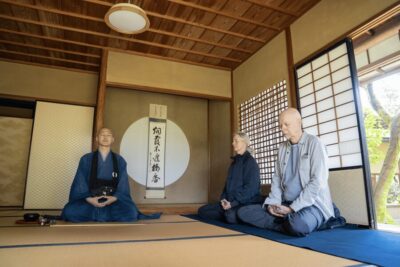
The “meditation” part is not vague. You get an introduction to Buddhist practices as part of the tour, guided live by a teacher (English and Chinese available).
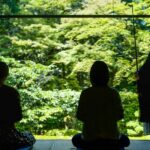
In at least one memorable session, the guide brings the group to a tranquil hall that feels quieter and less known. That matters because meditation works better when you’re not fighting constant distractions. Even if you don’t know Buddhist terminology, you can still follow the practice because the guide’s job is to translate the spiritual goal into something you can actually do.
A good sign: the guide is described as deeply knowledgeable about Buddhism and Toji’s history, and the meditation experience is called exceptional. I’d take that seriously if you want more than surface sightseeing—this is meant to shift your attention, not just your camera roll.
Buddhist schools and practices: the “why” behind the differences
One of the most useful parts of the tour is the way it frames Buddhist factions (schools). Instead of treating Buddhism as one single thing, you learn that different traditions emphasize different practices and viewpoints.
Here’s the value for you: when you understand the basic differences between schools, Toji feels less like a random collection of buildings and more like a living spiritual site. You start noticing how rituals, teaching styles, and spiritual emphasis connect to the broader history of Japan.
The guide also explains practices associated with the esoteric branch. Even without getting technical, that gives you context for what you might see and hear around the temple. It turns the “mystery” factor into something you can hold in your mind while you’re there.
Esoteric Buddhism: why it’s taught differently here
Toji includes an esoteric branch of Buddhism in the tour’s focus. That’s not just a buzzword. The esoteric approach is often experienced as practice-centered—more than reading or thinking, it’s about spiritual work through specific forms of training and ritual.
What I like about this is that the guide connects it to lived practice rather than making it sound like a museum exhibit. You’re not only learning history; you’re learning what the tradition is trying to help people do internally.
If you’re new to meditation or Buddhism, this can be reassuring. You’re shown how to approach the ideas in a way that supports your own experience, not forces you to pretend you already understand everything.


History lessons: founder impact and cultural ripples
This tour also gives context on Toji Temple’s history, including the influence of the temple’s founder on culture, society, and spirituality in Japan. That’s a big topic, but the tour keeps it grounded in what the site represents.
For you, this is where the value shows up. Kyoto temples can feel overwhelming—so many eras, dynasties, reforms, and traditions. When you get the founding story and its cultural impact, the temple stops being a checklist item and becomes a piece of a bigger story.
And when the guide connects that history to spiritual practices, you get a more complete picture. You’re not only asking what Toji is. You’re also learning why it matters to Japanese Buddhism and why it has endured.
What you’ll likely see and do during the hour
The tour is built around a guided walk through the temple area, with time for explanations and a guided meditation component. You can expect:
- Historical and cultural insights tied to what you’re viewing
- An introduction to Buddhist practices tied to what the tradition emphasizes
- A meditation segment designed to fit different experience levels
One practical note: the tour’s duration is short. That’s good if you want intensity and clarity, but it also means you should come with questions in your head. If you want to ask something specific—like how meditation fits into Buddhist practice—think about wording it before you meet.
Practical temple etiquette: the rules that affect your photos and comfort
Temple etiquette isn’t just polite. It keeps you from getting stopped mid-moment.
- Photography inside temple buildings is not allowed. Outdoor photos are allowed, but be respectful.
- No smoking and no pets.
- Wear comfortable clothing for walking. You’ll be on your feet for the full hour.
Also, consider how you want to dress for meditation. Even if you’re not doing anything physically intense, meditation asks your body to stay settled. Comfortable shoes and breathable layers help.
Languages and group size: getting your questions answered
This tour runs with a live guide in English and Chinese. That’s a plus if you want real conversation instead of relying on apps.
The group is listed as small and limited to 1 participant. That’s rare in group tours. For you, it means you’re not competing for attention. It’s easier to ask follow-ups about Buddhist schools, the esoteric branch, or how meditation practices apply to your own experience.
If you’re the kind of traveler who hates awkward silence, this format should feel comfortable quickly.
Price and value: is $35 worth an hour of history plus meditation?
At $35 per person for 1 hour, the price is actually pretty reasonable when you break down what’s included. You get:
- A guided walking tour
- Historical and cultural insights
- An introduction to Buddhist practices
What you don’t get: transportation to the temple and meals and drinks, plus an entry fee (not included). Those missing items are normal for walking tours, but they do affect your final budget.
So here’s my value take: if you plan to visit Toji anyway, the extra $35 can be worth it because you’re buying two things people often miss when they go alone—(1) structured explanations of Buddhist schools and (2) guided meditation that meets your level. If you only want photos and wandering, you’ll likely feel less value.
When this tour fits you best
This tour is a good match if you want:
- A guided introduction to Buddhist practices
- A clear explanation of different Buddhist schools
- Extra context on esoteric Buddhism and its spiritual significance
- A meditation experience that works for beginners through experienced meditators
It’s not the best match if you need wheelchair-friendly access or mobility support, since it’s not suitable for mobility impairments.
If you’re the kind of traveler who enjoys learning on-site—then turning your attention inward for a moment—this blends well.
Should you book the Kyoto Toji meditation walking tour?
I’d book it if you want Toji to feel meaningful, not just pretty. The biggest draw is the combination: history and culture plus a guided meditation practice that adapts to where you are.
Skip it if you’re only looking for a quick photo stop, or if you can’t do a walking-focused experience. Also, plan on covering your own way to the temple and any entry fee since those aren’t included.
If you’re curious about Buddhism’s different schools and how an esoteric tradition approaches spiritual practice, this hour is a strong use of time in Kyoto.
FAQ
How long is the Toji Temple walking tour with meditation guide?
The tour lasts 1 hour.
How much does the tour cost?
The price is listed as $35 per person.
Where do I meet the guide?
Meet at Toji Temple’s SOUTH Gate (なんだいもん) on the south side of the temple.
What languages are the live guides available in?
The live guide is available in English and Chinese.
Is the entry fee included?
No. An entry fee is not included.
Is photography allowed?
Photography is not allowed inside temple buildings, while outdoor photography is allowed. Be respectful with how you take photos.
Is the tour suitable for beginners in meditation?
Yes. The tour is designed to accommodate all levels of meditation experience, including people who know nothing about meditation or Buddhism.
Are pets or smoking allowed?
No. Pets are not allowed and smoking is not allowed.
Is this tour suitable for people with mobility impairments?
No. It is listed as not suitable for people with mobility impairments.