REVIEW · KYOTO
Kyoto: Nighttime Zen Meditation and Matcha Tea Experience
Book on GetYourGuide →Operated by Cultural Edu-tourism Council · Bookable on GetYourGuide
Kyoto slows down after dark. This 90-minute nighttime visit to Keishunin Temple (a sub-temple of Myoshinji) turns the usual sightseeing day into something calmer and more hands-on. You’ll wander through four gardens lit up for the evening, learn the temple’s culture from your guide, and then sit down for zazen meditation before enjoying matcha and a traditional sweet.
I especially love how the evening is kept intimate, with zazen guided by the VP Monk and a real conversation vibe afterward. I also like that the experience isn’t just pretty lights; you’ll get the story behind the temple spaces, including the hidden tea room “Sehakuan” and Kano Sansetsu fusuma paintings. One consideration: it’s a cold-weather activity, and this one isn’t suitable for children under 12 or wheelchair users—so bring warm layers and plan for standing and quiet sitting.
In This Review
- Key Things You’ll Remember
- A Night at Keishunin Temple: Why This Feels Different Than Daytime Kyoto
- Four Gardens Lit Up: What to Notice as the Light Changes
- Practical tip for enjoying the gardens
- Sehakuan and Kano Sansetsu: The Story Behind the Walls
- Zazen at Night: How the VP Monk Guides You to Sit
- What to do before you sit
- Matcha With Deputy Chief Priest Yasumasa Arashima (Plus a Japanese Sweet)
- If matcha isn’t your thing
- Price and Value: Is $206 for 90 Minutes Worth It?
- Timing, Weather, and What to Wear for a Temple Night
- Who This Private Night Experience Fits Best
- Should You Book This Night Zen and Matcha Experience?
- FAQ
- How long is the Kyoto Nighttime Zen Meditation and Matcha Tea experience?
- Where does the experience take place?
- What’s included in the experience?
- Do I need to bring anything?
- Is there language support?
- Are there any rules during the visit?
- Is this suitable for kids or wheelchair users?
Key Things You’ll Remember
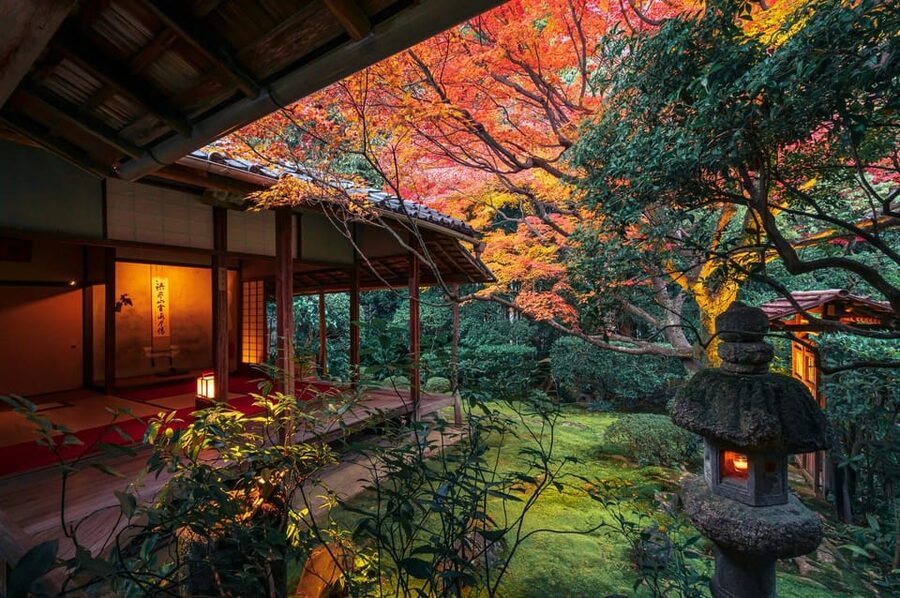
- Four illuminated gardens at Keishunin, including views recognized as nationally designated historic/scenic spots
- Sehakuan tea room tour plus time looking closely at fusuma paintings by Kano Sansetsu
- Zazen meditation with guided etiquette, including practical tips if you feel tired during practice
- Matcha and Japanese sweets served as part of the experience, not just a token snack
- A small, private-group feel with English or Chinese interpretation and a guide who can keep things light
A Night at Keishunin Temple: Why This Feels Different Than Daytime Kyoto
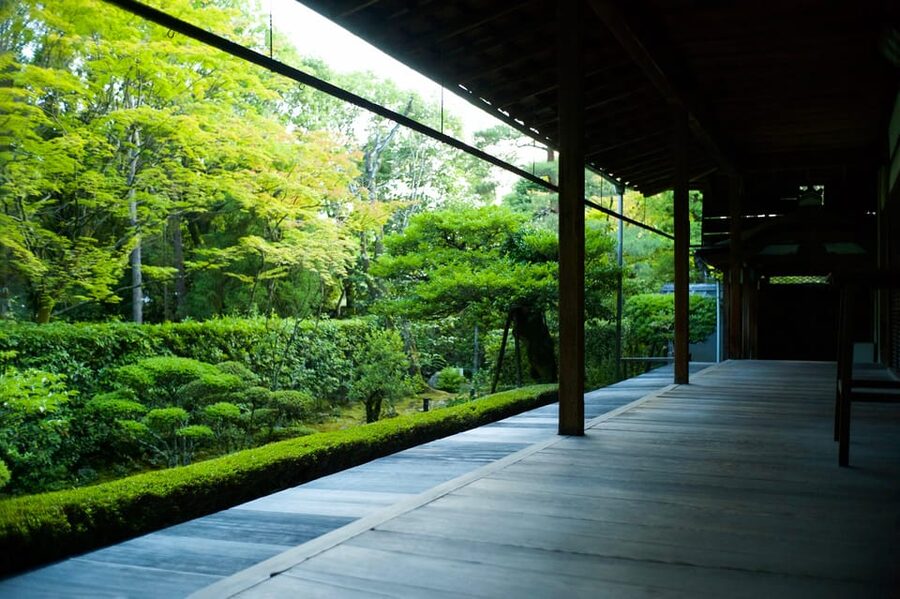
Nighttime Kyoto has a different rhythm. During the day, you’re often dodging tour groups and trying to absorb a lot at once. On this experience, the pace is slower on purpose. You meet your guide at Keishunin, and instead of rushing from one highlight to the next, you’re guided through the temple’s spaces with time to look and time to breathe.
The first win is the setting: Keishunin is a sub-temple of Myoshinji, so you’re not just visiting a standalone building—you’re stepping into a smaller, quieter corner of Kyoto’s Zen world. And because it’s a special night visit, the gardens and rooms are presented at an hour when most people are elsewhere.
If you’re the type who likes to understand what you’re seeing (even a little), you’ll appreciate the temple history and culture explanations from your local guide. One of the best parts, based on guest feedback, is that the guide keeps it human: friendly, sometimes humorous, and able to translate the ideas into something you can actually do and feel, not just hear.
You can also read our reviews of more tours and experiences in Kyoto.
Four Gardens Lit Up: What to Notice as the Light Changes
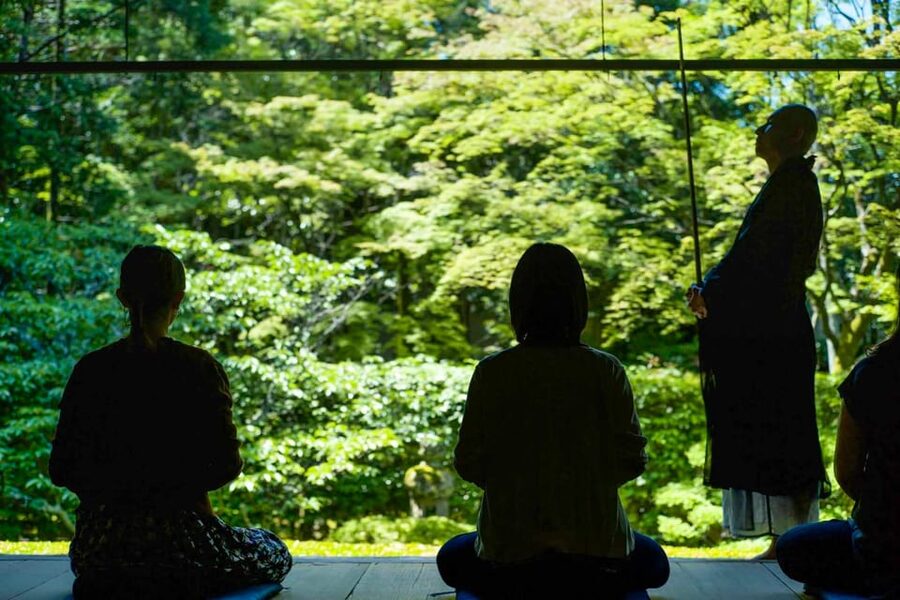
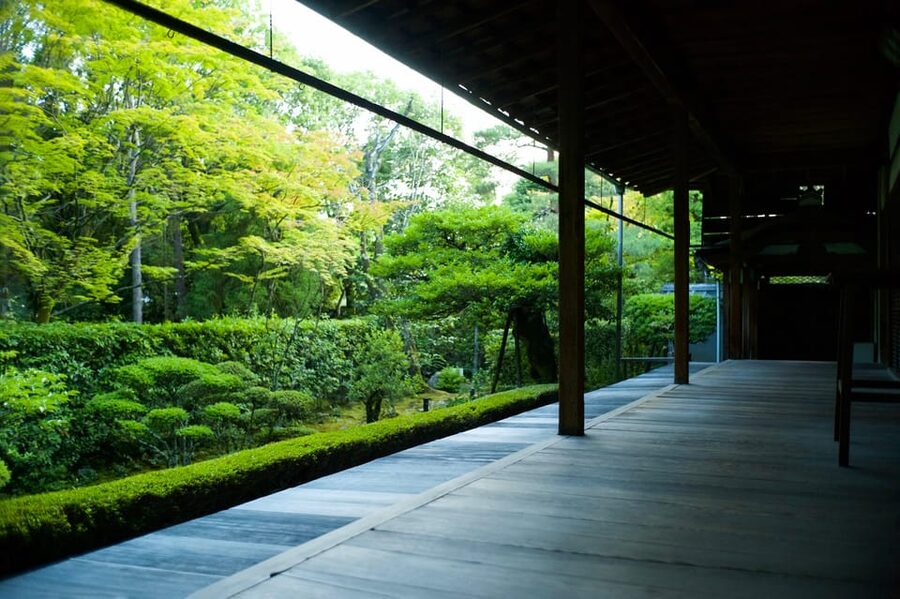
Keishunin’s four gardens are a major reason this works as an experience, not just a stroll. The gardens are described as designated nationally for their historical significance and scenic value, and that matters because you’re not only seeing them—you’re being told what they’re meant to represent.
At night, those design intentions land differently. You’ll notice how lighting changes the lines of walkways, the placement of viewing angles, and the way the garden layout pulls your attention. Even if you’re not a garden expert, you can still follow along with what your guide points out: where the eye is supposed to rest, how symmetry and negative space work, and why the gardens are treated as more than decoration.
You’ll also spend time moving through the grounds at an unhurried pace while the gardens are illuminated. This is where warm clothing is not optional advice. Kyoto nights can feel sharper than you expect, especially after you’ve been standing around earlier in the day. Wear layers you can adjust, and keep shoes comfortable for slow walking.
Practical tip for enjoying the gardens
Keep your camera put away unless you truly need it. Flash photography isn’t allowed, so you’ll rely on the lighting and your eyes more than usual. That actually makes it easier to stay present.
Sehakuan and Kano Sansetsu: The Story Behind the Walls
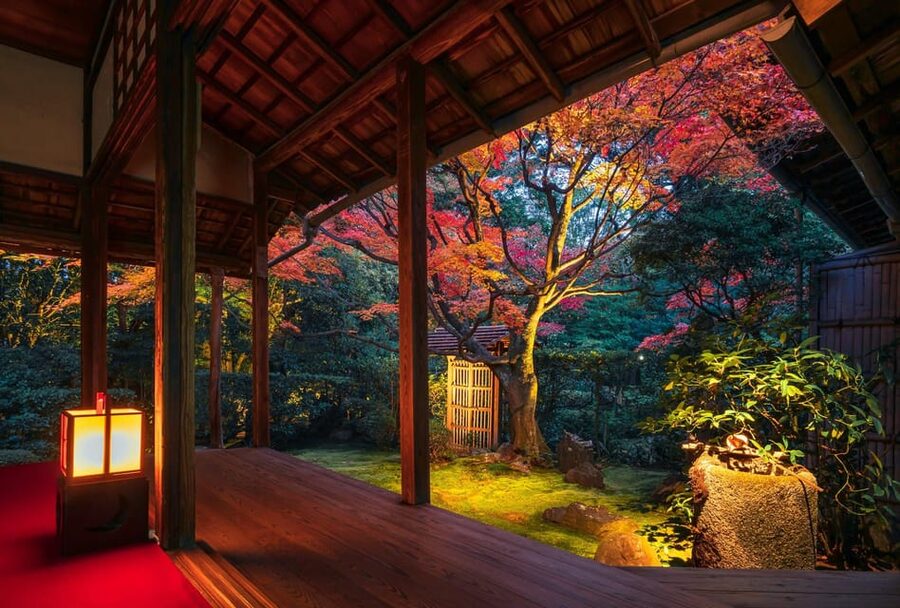
One of the most memorable parts is that you don’t only tour outdoor space. Your guide brings you into a more intimate zone: the hidden tea room “Sehakuan.” The word hidden matters here. You’re not just walking into a random room; you’re being shown a specific setting with meaning.
Inside, you’ll also look at fusuma paintings by Kano Sansetsu. These sliding panels can be easy to treat as wallpaper if you rush. Here, you’re given context so you can see how the art fits into the overall temple atmosphere—quiet, controlled, and designed to support calm attention.
If you like “quiet learning,” this is your moment. The guide’s explanations help you connect what you’re seeing to how Zen spaces are designed to slow the mind. And because it’s a night visit, the experience feels less like a museum stop and more like stepping into a living tradition.
One small but smart note: this is time spent looking indoors and sitting quietly. If you know you get fidgety when things are still, aim for comfortable clothing and a calm mindset ahead of time.
Zazen at Night: How the VP Monk Guides You to Sit
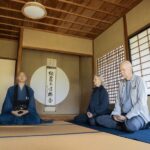
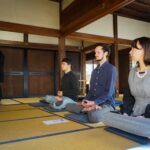
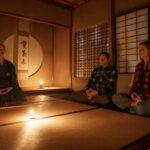
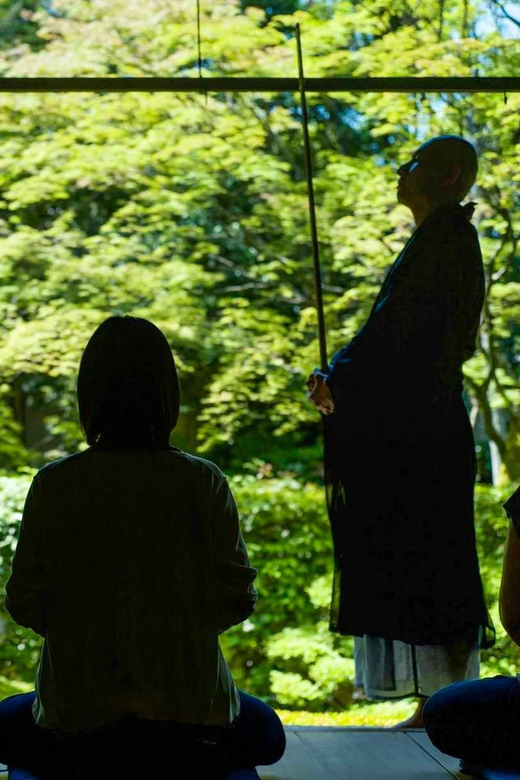
Then comes the part many people are most curious about: zazen meditation. You’ll do it as a guided experience with the help of the VP Monk. This is not just “sit and good luck.” You’re walked through the basics of practice and temple customs so your body and mind have somewhere to go.
What stood out in guest feedback is the practical side of the guidance. One guest noted that they learned a custom for what to do when a practitioner becomes too tired—basically a real reminder system to keep going. That’s exactly the sort of detail you want. Meditation can sound intimidating, but being told what’s normal (and what to do if your focus slips) makes it far more doable.
The tone matters too. Night practice in a temple setting naturally lowers the volume in your head. Add a guide who can translate clearly (English or Chinese, depending on your group), and you get a session that feels respectful and understandable.
What to do before you sit
Arrive thinking: I’m not trying to win meditation. You’re building the habit of attention in a calm place. If you feel stiff or restless, that’s not failure—it’s information. Use the guidance you’re given and follow the customs taught during the session.
Matcha With Deputy Chief Priest Yasumasa Arashima (Plus a Japanese Sweet)
After sitting, you get rewarded with something warm and simple: matcha and a traditional Japanese sweet. In this case, the tasting is handled by Keishunin’s Deputy Chief Priest, Yasumasa Arashima.
This part is more valuable than it sounds. Tea in Japan isn’t only about flavor—it’s about pacing and respect. After zazen, matcha becomes a gentle way to shift from stillness to taste. You’ll likely notice how the sweetness balances the bitterness of matcha, and how it feels almost like closing a loop: sit quietly, then receive something thoughtfully.
Guests also described the tea portion as a natural, respectful wind-down. One person mentioned sharing a brief conversation afterward, where they exchanged impressions and sensations. That kind of closing moment can be a gift if you tend to carry your trip in your head. It helps your experience land in your body.
If matcha isn’t your thing
You might still enjoy it here because the tea is part of a sequence with meaning, not just an included snack. Even if you prefer sweeter drinks, the sweet you’re given is meant to pair with the moment.
Price and Value: Is $206 for 90 Minutes Worth It?
Let’s talk money plainly. At $206 per person for about 90 minutes, you’re paying for access and instruction: a nighttime visit to Keishunin, guided time through four gardens, a tea room tour, viewing Kano Sansetsu fusuma paintings, guided zazen, and a matcha/sweet tasting.
Could you see Keishunin on your own for less? Maybe. But you would miss the structure. Here, you get context while walking through the gardens and indoors, plus guidance while sitting. That’s the value engine: you’re not just buying entry—you’re buying time with a guide and a guided meditation moment that many people can’t recreate on their own.
Also, skip the ticket line is included, which matters when you’re on a tight evening schedule and want your calm to start quickly, not after paperwork stress.
In my view, this price makes the most sense if you want something beyond typical Kyoto photo stops—something guided, quiet, and culturally specific. If you’re expecting a long, full-night Zen retreat, this won’t be that. It’s short and focused, by design.
Timing, Weather, and What to Wear for a Temple Night
The duration is 90 minutes, so you’ll want to treat it like a concentrated class rather than a leisurely stroll.
You should plan for temperature swings. You’re outdoors in the evening for parts of the garden viewing, then inside for the tea room and fusuma viewing, then you sit for zazen. That means dressing for both cold air and stillness.
Bring:
- Warm clothing
- Comfortable clothes you can sit in
And remember the rules:
- No smoking
- No flash photography
One more reality check: this is not listed as suitable for wheelchair users, and it’s not for kids under 12. If that affects your group, it’s worth skipping or looking for another style of Kyoto activity.
Who This Private Night Experience Fits Best
This works especially well for you if:
- you want Kyoto at a slower pace
- you like guided context (history, customs, what to pay attention to)
- you’re curious about zazen but don’t want to figure it out alone
- you’ll appreciate matcha and a structured cultural moment
It may not fit if you’re looking for lots of walking distance, a late-night party vibe, or an activity that’s friendly for very young kids or limited mobility needs.
The private-group setup is a plus for many people. It usually means less waiting around and more control over the flow, even in a short 90-minute slot. Plus, the guide speaks English and Chinese, so interpretation is part of the experience rather than an afterthought.
Should You Book This Night Zen and Matcha Experience?
I think you should book it if you want your Kyoto trip to include a moment that’s quiet and practical, not just scenic. The best parts here are the guided zazen (with the VP Monk), the temple storytelling tied to real spaces like Sehakuan and Kano Sansetsu fusuma, and the tea/sweet landing afterward.
Skip it if you’re uncomfortable with cold evenings, or if your group needs wheelchair accessibility or is traveling with children under 12. This experience is designed for calm attention and respectful participation—not for convenience-first sightseeing.
If you want a short, meaningful pause in Kyoto, this is one of the better ways to do it.
FAQ
How long is the Kyoto Nighttime Zen Meditation and Matcha Tea experience?
It lasts 90 minutes.
Where does the experience take place?
It’s a nighttime visit to Keishunin Temple in Kyoto.
What’s included in the experience?
You get a special night visit to Keishunin, a tour of the four gardens, a tour of the hidden tea room Sehakuan, viewing Kano Sansetsu fusuma paintings, zazen meditation, and matcha tea plus Japanese sweets tasting.
Do I need to bring anything?
Bring warm clothing and comfortable clothes.
Is there language support?
Yes. The live tour guide offers English and Chinese.
Are there any rules during the visit?
Smoking and flash photography aren’t allowed.
Is this suitable for kids or wheelchair users?
Children under 12 aren’t suitable for this experience, and it isn’t suitable for wheelchair users.