REVIEW · KYOTO
Candlelit Zen: Evening Meditation at Kyoto’s Secret Temple
Book on GetYourGuide →Operated by Travel Japan Together · Bookable on GetYourGuide
Kyoto gets quieter after dark. This 70-minute candlelit Zazen experience takes place at a temple not open to the general public, with a live English guide and a monk leading you step by step. I like that it blends instruction with silence, so you’re not just watching from the sidelines.
Two parts I really like: the atmosphere (candles + moss garden views) makes it easier to settle your body, and the ending with tea plus a monk discussion helps the experience stick. One thing to consider is that the session is held in the evening, and the temple has simple rules like no food or drinks inside and no flash photography.
If you want a calmer Kyoto moment that still feels real—quiet practice, not a performance—this is a strong fit. It’s private, English-speaking, and designed for small groups, so you can actually absorb what’s happening without feeling rushed.
In This Review
- Key takeaways
- Candlelit Zen at a Kyoto Temple You Won’t Find on Standard Routes
- What Happens in 70 Minutes: From Briefing to Zazen to Tea
- Meeting at Kodaiji Park: Yes, It Starts at the Toilet
- Entering the Temple Through a Separate Entrance
- The Monk Lecture: How Zazen Is Framed and Taught
- Zazen Practice in Candlelight: Breathing, Focus, and Ego Check
- Tea Ceremony and a Monk Discussion: Turning Quiet Into Meaning
- Photography, Temple Etiquette, and How Not to Break the Silence
- Price and Value: What $774 Per Group Actually Buys
- Who This Kyoto Meditation Experience Fits Best
- Should You Book Candlelit Zen?
- FAQ
- How long is Candlelit Zen in Kyoto?
- Where do we meet for the experience?
- Is this a private group?
- Is the tour in English?
- What’s included in the price?
- Is tea included at the end?
- Is photography allowed?
- Is hotel pickup and drop-off included?
- Can I cancel for a refund?
Key takeaways
- A temple you won’t find on standard public routes: You enter through a separate entrance meant for this experience.
- Zazen taught in plain language: A monk explains principles and techniques, then you practice.
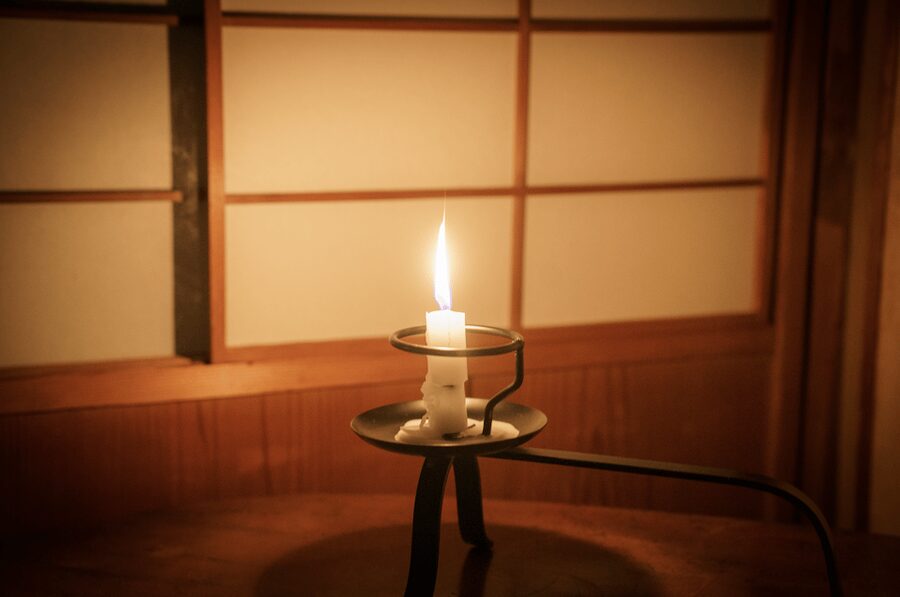
- Candlelight makes the practice easier: The soft glow helps you focus on breathing and staying present.
- Tea ceremony and conversation at the end: You leave with context, not just quiet.
- Photography is allowed, but no flash: You can capture the moment without disrupting others.
Candlelit Zen at a Kyoto Temple You Won’t Find on Standard Routes
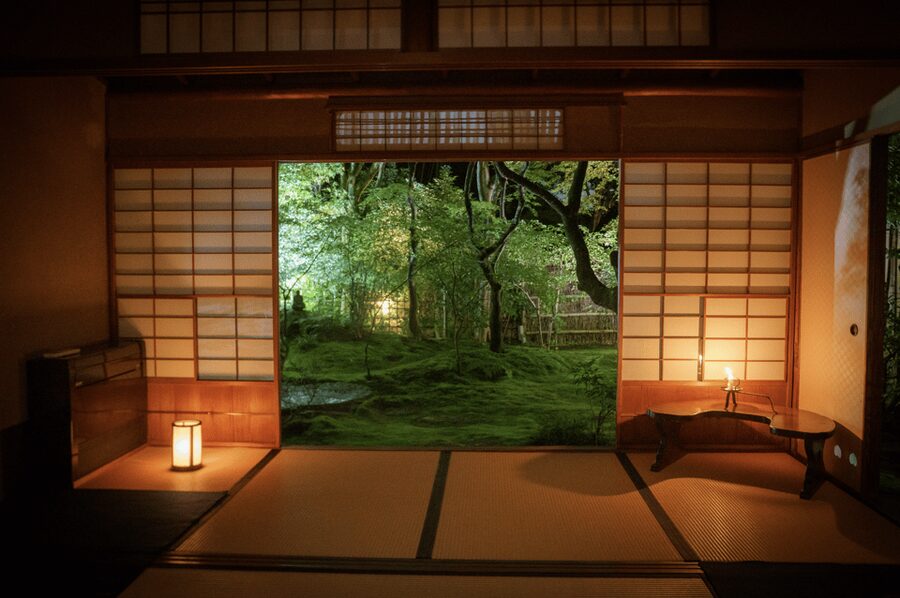
This is the kind of Kyoto evening that doesn’t feel like a sightseeing checklist. You’re taken to a temple that isn’t open to the general public, which immediately changes the mood—less crowd noise, fewer distractions, and more sense that you’re invited into something.
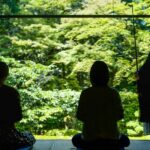
The setting matters here. Between the candles and the sightlines to the temple gardens and moss, you’ll get a kind of visual calm that supports the physical calm of seated meditation. In reviews, people keep coming back to that combination: gentle light, stillness, and a place that feels cared for.
One practical note: it’s a private group experience, not a mass event. That’s good for focus, but it also means you should treat it like a serious quiet time. Don’t expect to snack, wander, or chat freely inside the temple.
You can also read our reviews of more tours and experiences in Kyoto.
What Happens in 70 Minutes: From Briefing to Zazen to Tea
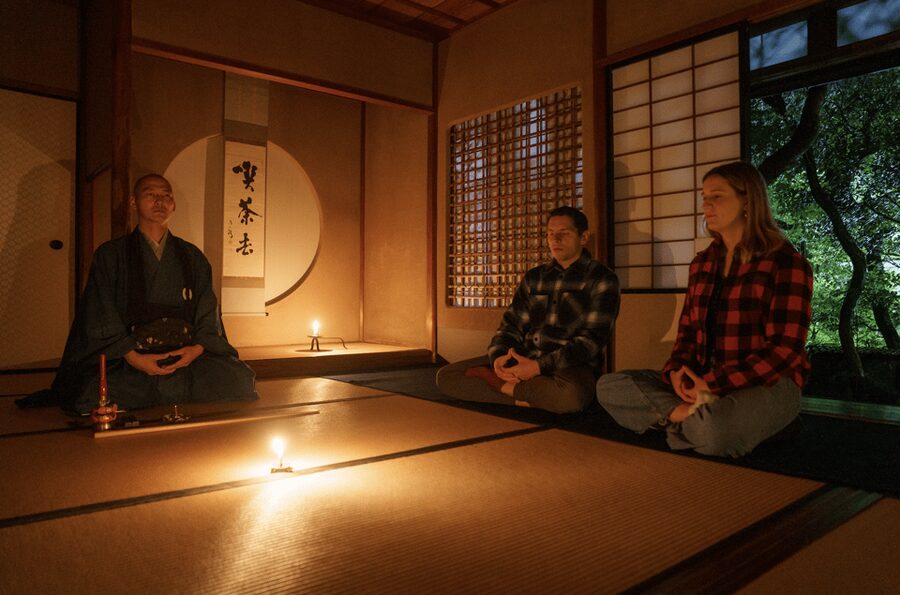
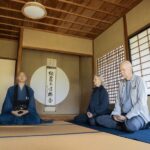
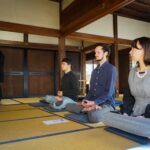
The full experience lasts 70 minutes, and it’s structured so you understand what you’re doing before you do it. First, you’ll step into the temple with your guide, then get a short introduction to Japanese culture and Zen basics. This is useful because Zazen can look simple but it’s not always obvious how to sit or what to pay attention to.
Next comes the monk lecture on Zazen—seated meditation—where you learn the principles and techniques. This is the part that helps the practice move from confusing to doable. Instead of guessing what the monk wants, you get a framework: how to unify your mind, where to place attention, and how to relate to distraction.
Then you practice. The tone is quiet, but you’re not left alone with the task. You’re guided through rhythmic breathing and the basic rhythm of attention, with an emphasis on inner calm and self-awareness.
You end with a tea ceremony and a discussion with the monk. That final conversation is more than a nice touch. It turns your experience from a mood into understanding—so you can connect what you felt during Zazen with what Zazen is meant to train.
Meeting at Kodaiji Park: Yes, It Starts at the Toilet
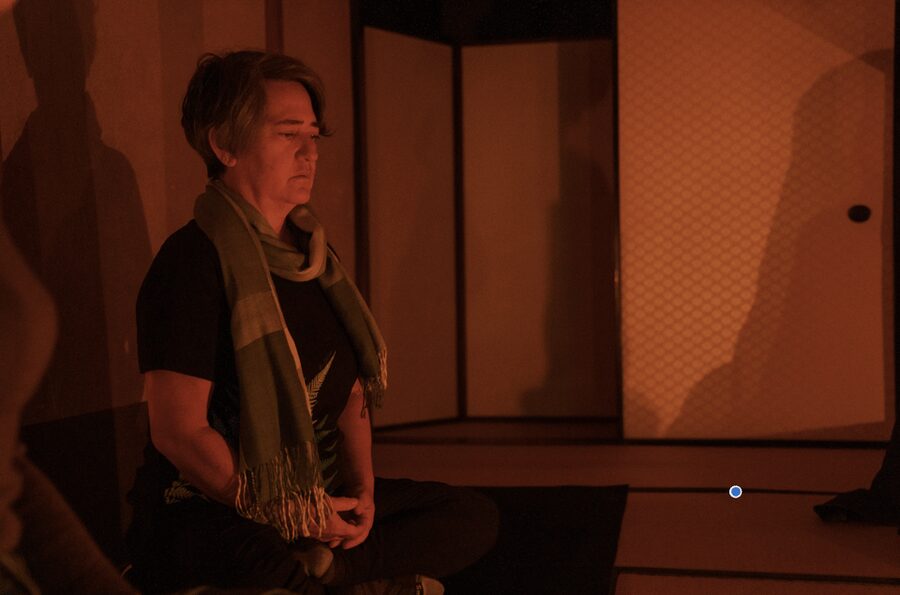
Your meeting point is at the toilet at Kodaiji Park, on the northern side, and your guide will be waiting there. It sounds odd, but it’s a real advantage: toilets are easy reference points, especially when you’re navigating at dusk.
I’d plan to arrive a few minutes early. Even if you’re confident in your navigation, evenings can bring slower walking and more people crossing paths near major sights. And because this is a timed, quiet experience, being late can cut into the intro and practice.
In past groups, communication has been smooth, including guide contact via WhatsApp to help you find the right place. If you have that option when you book, it’s worth using—it saves stress right when you want your head clear.
Entering the Temple Through a Separate Entrance
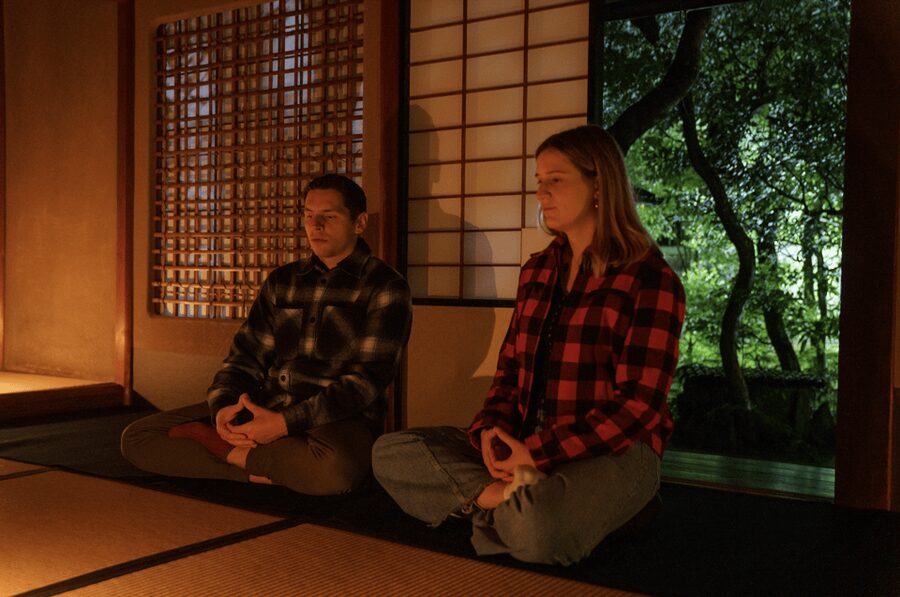
You skip the line with a separate entrance, which is part of what makes this feel different from typical temple visits. That shortcut isn’t only about saving time—it reduces the noise and crowd energy that can break the mood you need for meditation.
Once inside, the experience stays focused. You’ll get a guided path into the space where the candlelight and silence work together. And because it’s not the general public, the atmosphere stays respectful and calm rather than busy.
Also, keep in mind the basic in-temple rules: food and drinks aren’t allowed inside. Photography is allowed, but flash photography is not. If you’re carrying a camera, set it to no-flash mode before you start so you don’t accidentally break the rule.
The Monk Lecture: How Zazen Is Framed and Taught
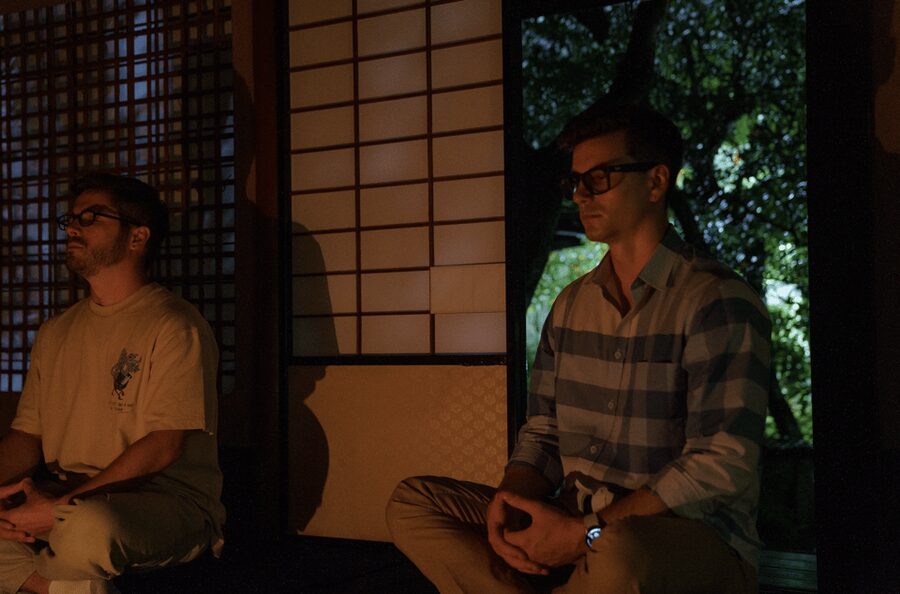
The monk’s lecture is where the experience becomes more than relaxation. You learn the principles and techniques of Zazen, which is the central practice of Zen Buddhism and often the first practice people try when they want a real meditation experience.
What I appreciate is that the session doesn’t treat Zazen like a mystery with only one correct way. The monk explains what the practice is aiming for: unifying your mind, noticing yourself, and detaching from ego and worldly concerns. Those phrases can sound heavy on paper, but in context they’re simple: notice distraction, return to attention, and don’t make the mind fight itself.
The lecture also gives you a clearer sense of why posture and attention matter. Seated meditation is not about doing nothing. It’s about training how you relate to thoughts, sensations, and the pull of everyday worries.
If you’re new to Zen, this kind of explanation helps a lot. If you already meditate, it still helps because it gives language to what you may already feel in practice, and it sets expectations for the guided breathing rhythm.
Zazen Practice in Candlelight: Breathing, Focus, and Ego Check
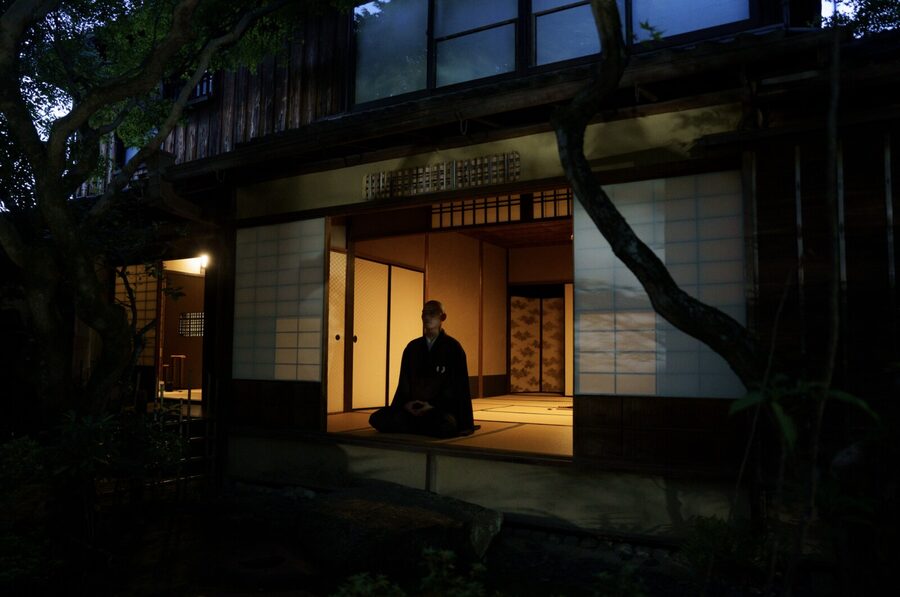
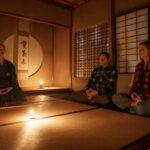
The practice itself is the heart of the night. You’ll follow instructions for seated meditation, and you’ll use breath as the anchor. The rhythmic breathing element is key: it gives the mind a steady reference point, which makes it easier to come back when thoughts pull you away.
In reviews, people repeatedly highlight the moment when everything quiets down and the body cooperates. Candlelight helps in a very practical way. With the visual softness of candles and the calm garden setting, your senses get fewer distractions, and attention becomes easier to maintain.
I like that the tone encourages self-awareness without turning it into pressure. You’re not expected to be instantly calm. The goal is to confront yourself gently—notice ego and restlessness as they appear, then detach from them and return to the practice.
You’ll likely have moments where you feel time pass differently. That’s normal. When you’re sitting longer than usual and focusing on breath, you get a shift in perception. Don’t judge it. Treat it like part of learning how the mind behaves when you stop feeding it daily noise.
Tea Ceremony and a Monk Discussion: Turning Quiet Into Meaning
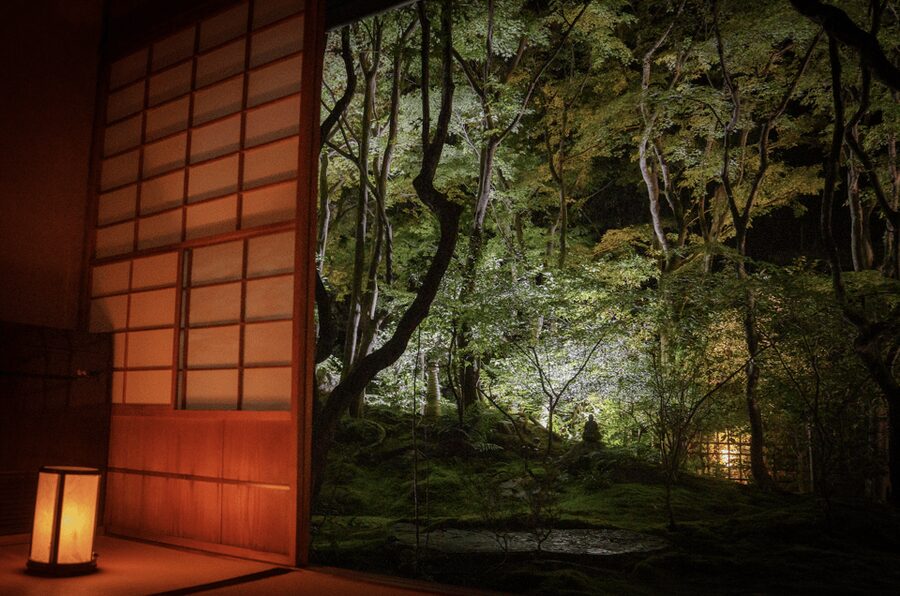
After Zazen, you’re not just released back into the night. You finish with a tea ceremony and then a discussion with the monk. This is one of the best ways to get value out of a short meditation session.
Tea here isn’t only a cultural bonus. It’s a transition ritual. It signals that practice continues off the cushion—slower pace, calmer attention, and a respectful closing moment.
The monk discussion adds context. You can ask questions or connect what you experienced with broader Zen ideas like mindful attention and staying grounded. In reviews, people loved that they came away with something different depending on their own perspective—yet everyone felt it was time well spent.
If you’re the type who forgets everything the moment you leave a temple, this ending helps your memory. You’re not walking away just with feelings; you’re walking away with explanations.
Photography, Temple Etiquette, and How Not to Break the Silence
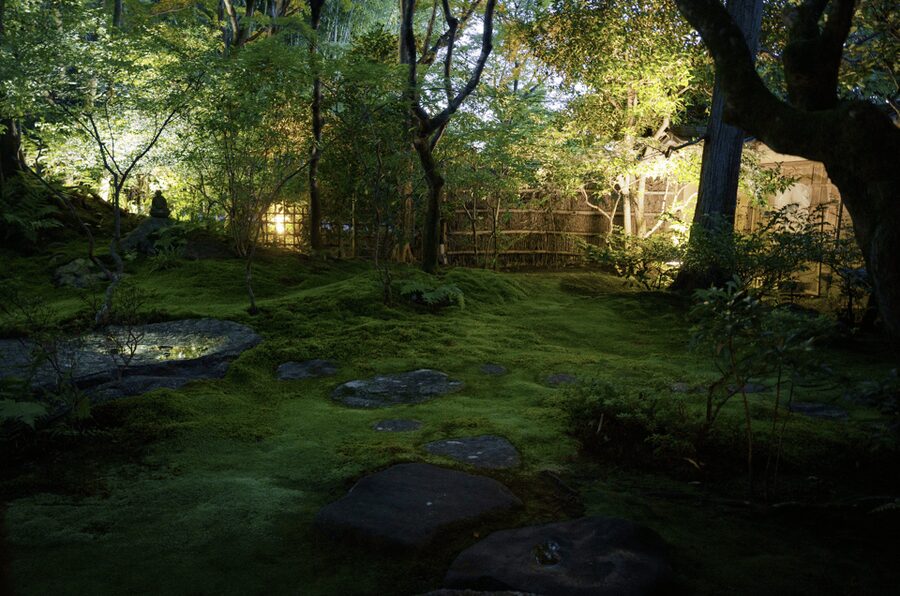
Photography is allowed inside the temple, but flash photography is not. That’s a common respect rule in sacred spaces, and it matters even more at night when candlelight is part of the atmosphere.
Here’s what helps: take photos during quieter moments when you’re not in the middle of listening or practicing. Keep your camera settings simple. If you’re using your phone, lower brightness and turn off flash. Try not to block sightlines or interrupt the flow for others.
Another rule: no food or drinks inside. Even if you’re tempted to carry a snack for the long day, keep it outside the temple space. The goal of the session is calm attention, and eating can break it quickly.
Finally, keep an eye on your group behavior. This is private, English-guided, and monk-led. Your guide will set the tone; match it.
Price and Value: What $774 Per Group Actually Buys
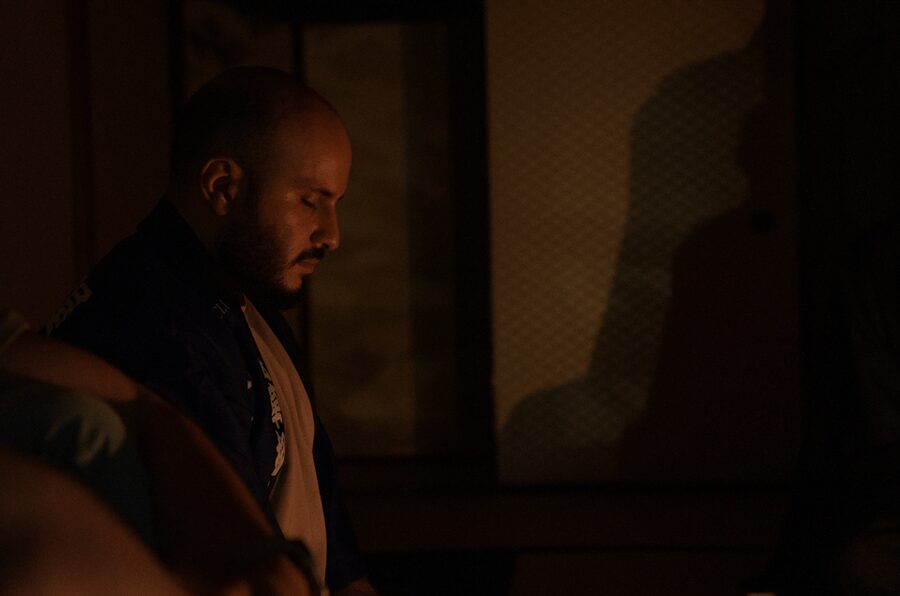
The price is $774 per group, up to 9 people, for 70 minutes. To judge value, do the math based on your group size.
If you book as a full group of 9, it works out to roughly $86 per person. If it’s just 2 people, it’s about $387 per person. That’s the big reality check: this is best when you can split the cost with friends or family.
So what do you get for that money? You’re paying for (1) a private group format, (2) entry to a temple not open to the general public, (3) a monk lecture and guided Zazen practice, (4) English guidance, (5) tea ceremony time, and (6) the calm, low-disruption flow that comes with skipping lines through a separate entrance.
It’s not a bargain if you’re solo or a couple. But it can be excellent value if you’re traveling with a small group and want an experience that feels more personal and less like a crowd event.
Also, there’s no hotel pickup or drop-off included. That shifts the value slightly: you’ll need to handle your own ride and arrival to Kodaiji Park. If you’re already in the area, that’s easy. If you’re farther out, plan transport so you don’t rush.
Who This Kyoto Meditation Experience Fits Best
This tour is a good match for you if you want a real Zen practice moment, not a long lecture and not a quick photo stop. The monk-led instruction plus breathing-focused seated practice is especially helpful if you want structure.
It’s also a strong option for mixed groups. One review described a private group of 7 that included adults and teenagers aged 12–18, and everyone enjoyed the session. That suggests the pacing and guidance can work beyond just seasoned meditators—especially for teens who can sit and focus.
That said, you should consider your comfort with stillness. Seated meditation is quiet and involves staying present. If you know you struggle with long periods of sitting, you might want to think about whether 70 minutes feels manageable.
Language is English, which makes it more accessible for first-timers who don’t want to rely on guesswork. And since it’s private, questions feel more natural than in larger public-group settings.
Should You Book Candlelit Zen?
Book it if you want an evening in Kyoto that feels calm, guided, and culturally grounded. The candlelight setting, moss garden views, monk instruction, and tea ending combine into a full arc—learn, practice, reflect.
Skip it if you’re looking for a flexible, casual temple hangout. This is a structured meditation experience with clear temple rules like no food or drinks inside and no flash photography. Also, if you’re booking just one or two people, the per-person cost may feel steep compared to other Kyoto activities.
One more tip: if you’re booking with a group, try to fill it with people you travel with. The experience is priced per group, and that’s where the value really sharpens.
FAQ
How long is Candlelit Zen in Kyoto?
The meditation experience lasts about 70 minutes.
Where do we meet for the experience?
Meet at the toilet at Kodaiji Park. The guide will wait for you on the northern side of the toilet.
Is this a private group?
Yes, it’s a private group. Pricing is listed per group up to 9 people.
Is the tour in English?
Yes. The live tour guide speaks English.
What’s included in the price?
Included items are the Zen experience, entry to the temple, a lecture on meditation principles and techniques, and the practice of Zazen.
Is tea included at the end?
Yes. The experience ends with a tea ceremony and a discussion with the monk.
Is photography allowed?
Photography is allowed, but flash photography is not.
Is hotel pickup and drop-off included?
No. Hotel pickup and drop-off are not included.
Can I cancel for a refund?
Yes. Free cancellation is available up to 24 hours in advance for a full refund.