REVIEW · KYOTO
Kyoto: Zen and Yoga Experience at Myoshinji Temple
Book on GetYourGuide →Operated by SUNNY YOU Yoga Studio · Bookable on GetYourGuide
Two hours of calm beats a full sightseeing day. At Myoshinji Temple in Kyoto, you get Zen basics and a yoga practice with temple-garden silence and Agasa guiding you clearly; if you already practice a lot, the class may feel a bit light.
I also love how the experience mixes classroom learning with real stillness, not just poses and photos. Meet at the South Entrance at the big gate, then finish with Japanese tea and room for questions in a quiet setting.
In This Review
- Key highlights you’ll feel fast
- Entering Myoshinji: the South Entrance routine
- Zen in Rinzai Kyoto: learning the five key elements
- Meditation pace and respectful behavior (what to do with that quiet)
- Yoga in the temple garden: moving with Zen principles
- Tea and questions: the part that turns practice into meaning
- What’s included (and why that matters for value)
- Price and time: is two hours enough?
- Who should book this Kyoto Zen and Yoga experience
- Logistics that help you enjoy it more
- The teacher factor: why the instruction tone matters
- Should you book Myoshinji’s Zen and Yoga session?
- FAQ
- Where do I meet for the Myoshinji Zen and Yoga experience?
- How long is the experience?
- What language is the instruction in?
- Is this a private group or a shared group?
- What’s included in the price?
- What should I bring?
- Is the yoga session beginner-friendly?
- What should I expect during the Zen portion?
- Is there a normally non-public part of the temple involved?
- Who is the experience not suitable for?
Key highlights you’ll feel fast
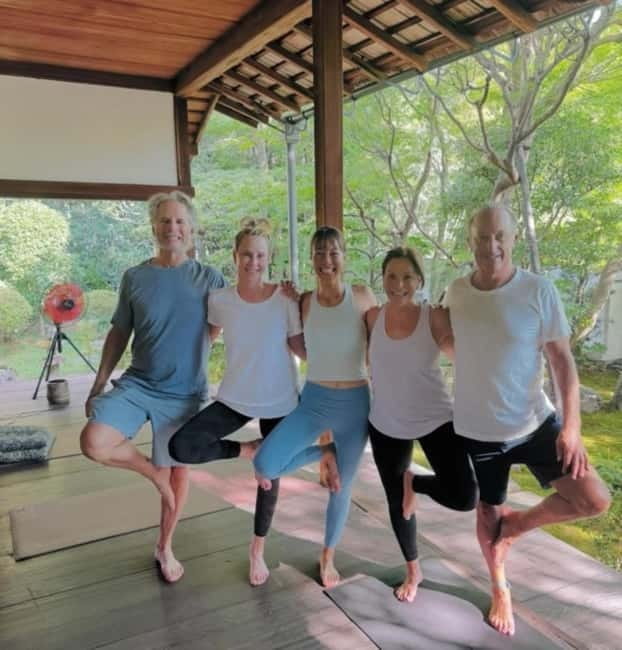
- Myoshinji Temple’s normally non-public space gives the session a behind-the-scenes calm.
- Zen with five key elements explained in a way that actually helps you watch your own mind.
- Yoga with Zen pacing in view of a peaceful garden, with nature sounds in the background.
- Tea and discussion time turns the experience from exercise into understanding.
- Beginner-friendly instruction makes it a solid starting point for Zen or yoga.
Entering Myoshinji: the South Entrance routine
You’ll meet at the South Entrance (NOT North Entrance). Look for a big gate there, and your English instructor will be waiting. This matters more than it sounds: Myoshinji is part of a larger temple complex, and finding the right entry saves you that first five minutes of stress.
Once you’re together, you’ll be set up for a quiet session rather than a sightseeing sprint. You’ll be in a normally non-public area of the temple, which gives the class a more intimate feel than generic temple tours.
You can also read our reviews of more tours and experiences in Kyoto.
Zen in Rinzai Kyoto: learning the five key elements
Myoshinji is a historic Rinzai Zen temple, and the first part of your time focuses on Zen fundamentals. You start with a guided Zen session that explains Zen through five key elements, plus how these ideas connect to Japanese gardens.
What I like about this approach is that it ties concepts to something you can actually observe. Instead of treating Zen as vague spirituality, you learn a framework for paying attention. In practice, that means you’re more likely to notice small details during the rest of the class: the pace of your breath, the quiet of the space, and the way your thoughts settle when you stop trying to force them.
You’ll also have discussion time. That’s not a lecture-only setup. Expect respectful conversation and meditation moments, so keep your volume down and your attitude calm. If you’re the type who likes to ask questions after you learn something, this part is where you’ll get your best payoff.
Meditation pace and respectful behavior (what to do with that quiet)
This experience isn’t “do yoga, then wander.” Participants engage in discussion and meditation, so the vibe is intentionally quiet and respectful. That’s why the guide book and the teaching style matter: they help you follow along without turning the session into a performance.
I’d plan to come in ready to slow down. Even if you’re not super spiritual, you’ll get more out of it if you treat the environment like it’s part of the lesson. Myoshinji’s stillness isn’t background noise. It’s the point.
Yoga in the temple garden: moving with Zen principles
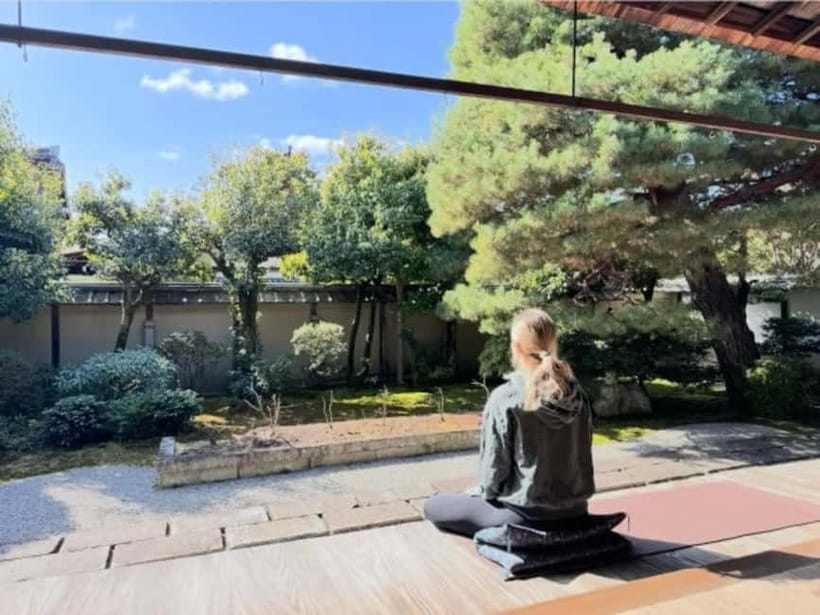
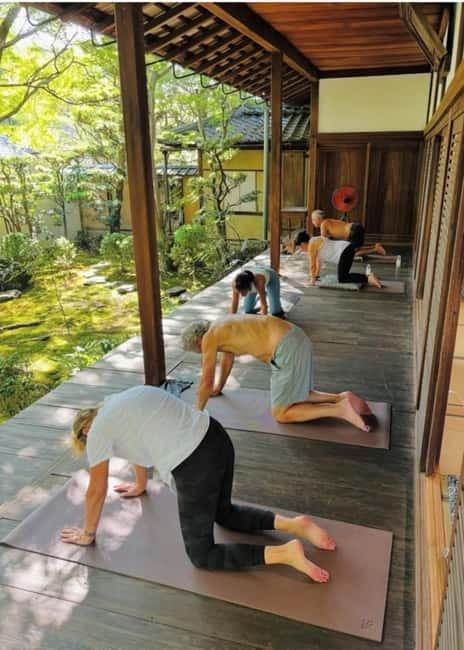
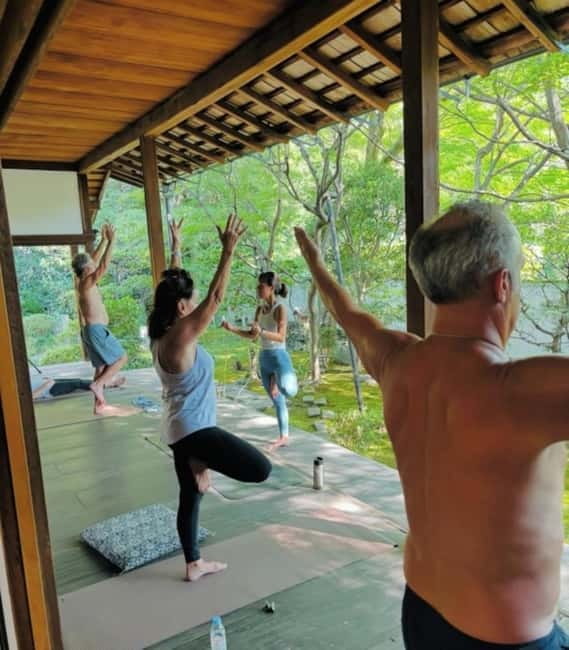
After the Zen teaching, you switch from sitting still to moving gently. The yoga session is designed as a unique practice in a temple setting, overlooking the serene garden. You’ll follow the class direction while incorporating Zen principles, with the outdoor atmosphere in mind.
You should expect a pace that feels more “steady attention” than workout intensity. Highlights mention birdsong, the rustle of leaves, and a gentle breeze. Even if weather changes how strong those sounds are, the idea stays the same: nature becomes your timing device, not something you ignore while you focus on counting reps.
This is also where being prepared helps. Bring comfortable clothes you can move in. You’ll want a towel and water, since you’re likely to feel warm if you’re doing any active stretching in a seated/standing space. And because this is a temple environment, dressing and conduct should stay respectful.
Tea and questions: the part that turns practice into meaning
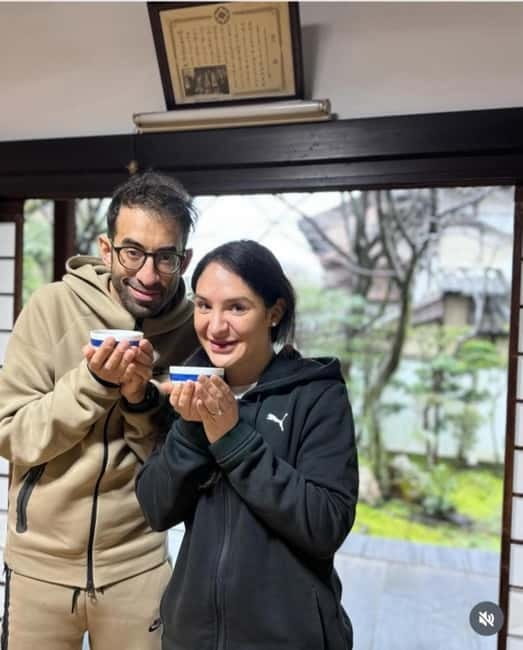
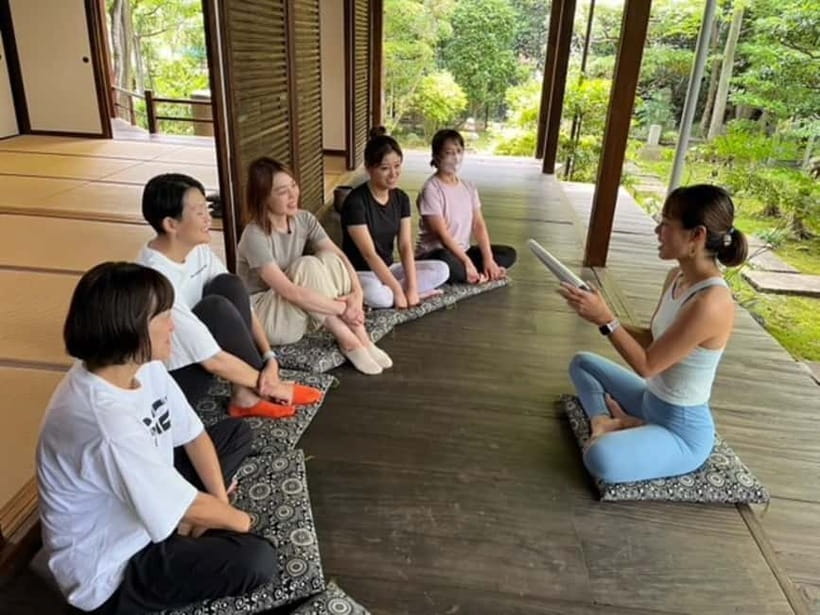
The ending is a Japanese tea session. You’ll have a warm pause after the body-work and quiet mind-work, and then you can ask questions and share cultural insights with the group.
This part is valuable because it gives you a way to connect the dots. Maybe something in the Zen explanation clicked during the sitting meditation. Or maybe you had a question about how the garden imagery ties to attention and simplicity. Tea is where those loose threads get tied into something you can remember after your Kyoto day gets busy again.

What’s included (and why that matters for value)
For $96 per person and 2 hours, you’re not just paying for a yoga class in a cool setting. Your ticket includes:
- Admission to the temple
- A mini Zen guide book
- A Zen session
- A yoga session
- A Japanese tea session
That’s a lot bundled into one block of time, and it’s a fair reason for the price. In Kyoto, you can spend more money on “temple time” that still feels like a standard walking tour. Here, you’re paying for instruction plus a structured experience inside a quieter, more private-feeling corner of the temple grounds.
The private group setup is also part of the value equation. You should get more attention and a calmer experience than you would in a crowded group class.
Price and time: is two hours enough?
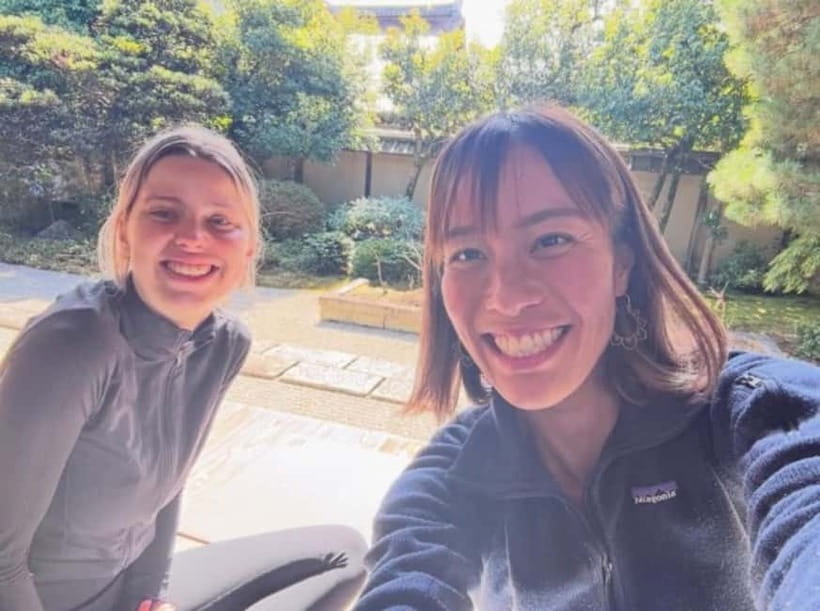
Two hours is short, but it’s also why this works. You get a complete arc: Zen teaching, guided practice, and a closing tea conversation. It’s long enough to learn something and feel the effect, but short enough that you can still do other Kyoto plans the same day.
One note for realistic expectations: the Zen and yoga content is aimed at accessibility. One review specifically pointed out the experience works well for beginners with a meditation and yoga starting point at level 0. If you already have deep practice habits, you may not get a lot of new technical information. Still, you may enjoy the atmosphere and the way the teaching frames attention in a temple setting.
Who should book this Kyoto Zen and Yoga experience
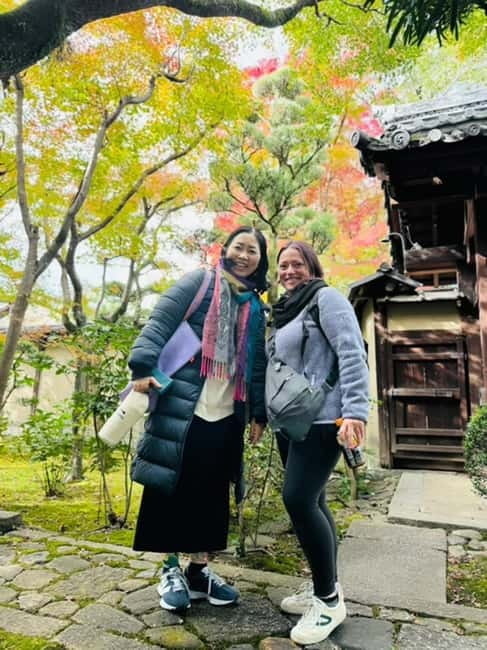
This is a strong match if you:
- Want your first taste of Zen and meditation basics
- Are new to yoga or new to practicing in a non-studio environment
- Like learning through gentle structure, not rigid rules
- Enjoy quiet, respectful cultural experiences more than checklists
It may be a weaker match if you:
- Already meditate regularly and practice yoga often, and you’re hunting for an intense “teacher-nerd” deepening session
- Prefer classes that are mostly movement, not reflection and discussion
Also, the experience lists clear “not suitable” categories. It’s not recommended for pregnant women, people with heart problems, people with a cold, or people over 70. If any of those apply, skip this one and choose something easier that fits your needs.
Logistics that help you enjoy it more
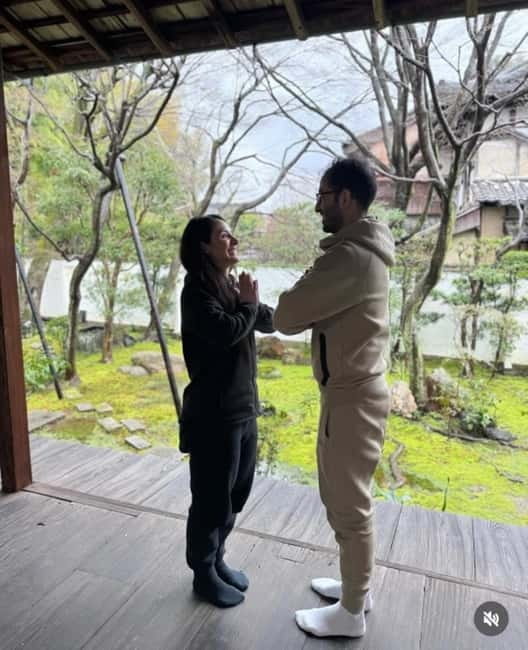
This kind of experience goes smoother when you arrive ready. Bring change of clothes, towel, water, and comfortable clothes you can move in. Even if you’re not doing heavy exertion, a temple setting still means you’ll likely appreciate having a dry towel and comfortable layers.
Because discussions and meditation are part of the session, you’ll also want to think about your mindset. Quiet and respectful demeanor isn’t just etiquette; it helps the group and it helps you.
The teacher factor: why the instruction tone matters
Your instructor is English-speaking, and the name Agasa shows up in the experience feedback. One review described Agasa as kind, thoughtful, gracious, and informative. Another review highlighted the teacher as especially nice for beginners.
That teaching style matters because Zen and temple practice can feel intimidating if the guidance is vague. With a clear, beginner-aware approach, you’re less likely to spend the session worried about whether you’re doing it right. Instead, you can focus on actually experiencing the quiet.
Should you book Myoshinji’s Zen and Yoga session?
Book it if you want a calm, structured, culturally grounded experience in Kyoto—one that teaches you something and lets you practice it immediately in a real temple setting. The blend of Zen explanation, garden-view yoga, and tea-based discussion gives you more than “just a class.”
I’d hesitate only if you’re already deep into meditation and yoga training and you need a more advanced, technical session. In that case, the atmosphere might still impress, but the instructional layer may feel basic.
If your goal is inner quiet, a gentle introduction, and a respectful temple moment you’ll remember, this is a good use of two hours in Kyoto.
FAQ
Where do I meet for the Myoshinji Zen and Yoga experience?
Meet at the South Entrance (NOT North Entrance). Your guide will be waiting at the big gate.
How long is the experience?
It lasts 2 hours.
What language is the instruction in?
The instructor is English.
Is this a private group or a shared group?
It’s a private group experience.
What’s included in the price?
Admission to the temple, a mini Zen guide book, the Zen session, the yoga session, and the Japanese tea session are all included.
What should I bring?
Bring change of clothes, a towel, water, and comfortable clothes.
Is the yoga session beginner-friendly?
It is described as suitable for beginners, including a beginner level around 0.
What should I expect during the Zen portion?
You’ll have a guided Zen session focused on Zen’s five key elements, plus discussion and meditation in a quiet, respectful setting.
Is there a normally non-public part of the temple involved?
Yes. The experience includes a visit to a part of Myoshinji Temple that is normally non-public.
Who is the experience not suitable for?
It’s not suitable for pregnant women, people with heart problems, people with a cold, or people over 70.